How to Properly Knead Pasta Dough by Hand is a journey into the heart of authentic Italian cuisine, revealing the secrets to achieving silken, pliable dough that forms the foundation of countless delicious pasta dishes. This comprehensive guide delves into the essential techniques, from understanding ingredient roles to mastering the rhythmic dance of kneading, ensuring your homemade pasta reaches unparalleled perfection.
We will explore the fundamental components of a classic pasta dough, detailing how each ingredient contributes to the desired consistency and discussing the ideal flour-to-liquid ratios. Furthermore, we will prepare your workspace and ingredients, creating the perfect environment for success, and then meticulously guide you through the initial stages of kneading, focusing on the crucial gluten development that transforms simple ingredients into a culinary masterpiece.
Finally, we will equip you with the knowledge to recognize when your dough is ready, address common troubleshooting scenarios, and seamlessly integrate your perfectly kneaded dough into your favorite recipes.
Understanding the Basics of Pasta Dough
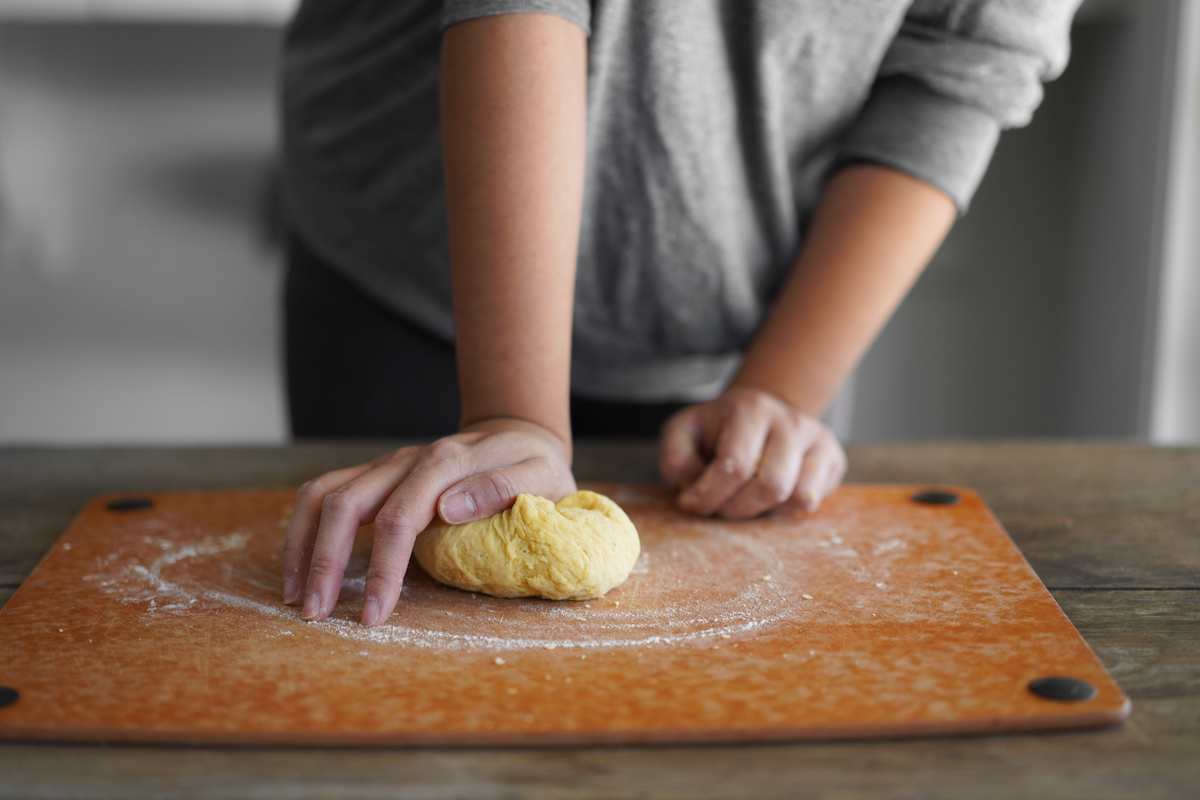
Crafting perfect pasta at home begins with a solid understanding of its fundamental components. A well-made pasta dough is a testament to the simple yet profound interaction of flour and liquid, transformed through skillful handling into a versatile culinary canvas. This section will delve into the essential ingredients, their specific roles, and the crucial ratios that lead to that desirable, pliable dough.The foundation of almost any classic pasta dough lies in just a few key ingredients.
These are typically flour and a liquid, most commonly water or eggs. The quality and type of these ingredients, along with their precise proportions, are paramount in determining the final texture, elasticity, and cooking behavior of your pasta. Understanding these basics will equip you to troubleshoot and achieve consistent, delicious results every time you embark on your pasta-making journey.
Essential Ingredients for Classic Pasta Dough
A traditional pasta dough, whether for fresh egg pasta or a simpler durum wheat variety, relies on a few core components. These ingredients work in harmony to create a dough that is both manageable during preparation and delightful to eat.
- Flour: The primary structural element of pasta. It provides the gluten framework that gives pasta its chew and resilience.
- Liquid: This is typically water or eggs. The liquid hydrates the flour, activating the gluten and binding the ingredients together. Water creates a firmer, chewier pasta, often used for dried pasta, while eggs contribute richness, color, and a tender texture, characteristic of fresh pasta.
- Salt (Optional but Recommended): A small amount of salt can enhance the flavor of the pasta and also slightly strengthen the gluten structure.
The Role of Each Ingredient in Dough Consistency
Each component in pasta dough plays a distinct and vital role in achieving the desired texture and pliability. Their interplay is what transforms simple ingredients into a dough that can be shaped and cooked to perfection.
- Flour’s Contribution: The protein content in flour, particularly the gluten-forming proteins gliadin and glutenin, is crucial. When hydrated and worked, these proteins form a network that gives pasta its elasticity and structure. Too little gluten development results in a crumbly dough, while overworking can lead to toughness.
- Liquid’s Function: Water or egg liquid hydrates the starch granules in the flour, initiating the cooking process and allowing the gluten proteins to link together. The amount of liquid is critical; too little will result in a dry, unworkable dough, while too much will make it sticky and difficult to handle, potentially leading to a gummy texture when cooked. Eggs also add fat from the yolk, contributing to a richer flavor and a softer texture.
- Salt’s Impact: Salt acts as a flavor enhancer, making the pasta more palatable. It also has a subtle effect on gluten development by tightening the protein strands, which can contribute to a firmer texture and prevent the pasta from becoming overly soft during cooking.
Ideal Ratio of Flour to Liquid
Achieving the correct dough consistency hinges on the precise balance between flour and liquid. While variations exist based on the type of flour, humidity, and desired outcome, a general guideline serves as an excellent starting point for most pasta doughs.
For a classic egg pasta, a common ratio is approximately 100 grams of flour to 1 large egg (about 50-60 grams). For a water-based dough, a starting point is roughly 200 grams of flour to 100-120 ml of water. These are starting points, and adjustments may be necessary.
The exact amount of liquid can vary. Factors such as the moisture content of the flour and the size of the eggs can influence how much liquid is absorbed. It is always best to add liquid gradually until the dough just comes together.
Common Types of Flour Used in Pasta Making
The choice of flour significantly impacts the texture, color, and flavor of your pasta. Different flours possess varying protein levels and gluten-forming capabilities, leading to distinct characteristics in the finished product.
- “00” Flour (Doppio Zero): This is a finely milled Italian flour with a medium protein content, typically around 11-12%. It is prized for its ability to create a silky, tender pasta with a delicate bite. It’s ideal for fresh pasta like tagliatelle, ravioli, and tortellini.
- All-Purpose Flour: While usable, all-purpose flour generally has a higher protein content than “00” flour and can result in a slightly chewier, less tender pasta. It’s a more accessible option but may require slight adjustments in liquid to achieve the desired consistency.
- Semolina Flour: Made from durum wheat, semolina has a high protein content (around 13-14%) and a coarser grind. It’s the traditional flour for many dried pasta shapes, providing a firm texture, a golden hue, and excellent resilience. It’s also used in combination with other flours for fresh pasta to add chewiness.
- Whole Wheat Flour: Offers a nuttier flavor and a denser, slightly coarser texture. It can be used alone or in combination with other flours for a healthier, more rustic pasta.
The properties of these flours are directly related to their protein content and the fineness of their grind. Higher protein content generally leads to more gluten development, resulting in a chewier pasta. The grind affects how the flour absorbs liquid and how the dough feels.
Preparing the Workspace and Ingredients
Before you begin the hands-on process of kneading, setting up your environment and gathering your ingredients correctly is crucial for a smooth and successful pasta-making experience. A well-prepared workspace and attention to ingredient details will directly impact the texture and pliability of your dough.This section will guide you through establishing the ideal kneading surface, properly incorporating liquids into your flour, and understanding why room temperature ingredients are paramount for optimal dough development.
Ideal Kneading Surface
The surface on which you knead your pasta dough significantly influences the ease of the process and the final texture of the dough. A surface that is too sticky can cause frustration and lead to adding too much flour, resulting in a tough dough. Conversely, a surface that is too porous might absorb moisture unevenly.The ideal surface for kneading pasta dough by hand is a clean, smooth, and non-porous countertop or a large, flat wooden board.
- Cleanliness: Ensure the surface is thoroughly cleaned to prevent any contamination of the dough.
- Smoothness: A smooth surface allows the dough to glide and stretch effectively without snagging. Granite, marble, or a well-maintained laminate countertop are excellent choices.
- Non-porous: Non-porous materials prevent the dough from sticking and absorbing excess moisture, which can make the dough difficult to handle.
- Size: A sufficiently large surface provides ample room to maneuver the dough, especially as it develops and expands.
Creating a Well in the Flour
When working with flour and eggs or water, the traditional method of incorporating liquids involves creating a “well” or “volcano” in the center of your flour mound. This technique helps to contain the liquid and ensures a more controlled incorporation, minimizing the chance of liquid spilling over the sides and creating a mess.The process of creating a well in the flour is a foundational step in making many types of pasta dough by hand.
- Mound your measured flour onto your clean, prepared kneading surface.
- Using your fingers or the heel of your hand, create a deep, wide indentation in the center of the flour mound, ensuring the walls of the well are thick enough to hold the liquid.
- The well should resemble a crater or a small volcano, with the flour forming a sturdy border around the opening.
Gradual Liquid Addition
The key to achieving a well-hydrated and pliable pasta dough lies in the controlled and gradual addition of liquids. Adding all the liquid at once can overwhelm the flour, leading to a sticky, unmanageable dough that is difficult to bring together.It is essential to add liquid incrementally to allow the flour to absorb it properly and to assess the dough’s consistency at each stage.
- Begin by pouring about two-thirds of the total liquid into the well you’ve created in the flour.
- Using a fork or your fingertips, gently start to incorporate the flour from the inner walls of the well into the liquid. Work your way outwards, gradually drawing more flour into the wet center.
- Continue this process until a shaggy, cohesive mass begins to form.
- At this point, if the dough appears too dry and is not coming together, gradually add more liquid, a teaspoon at a time, continuing to mix until the dough just starts to clump.
- Be mindful not to over-hydrate the dough; it should be firm but not sticky to the touch.
Importance of Room Temperature Ingredients
The temperature of your ingredients, particularly eggs and any liquid like water or olive oil, plays a vital role in the dough’s development and texture. Using cold ingredients can hinder the gluten development process, resulting in a tougher, less elastic dough.Room temperature ingredients facilitate a more uniform hydration and allow the gluten proteins to interact more effectively, leading to a smoother, more pliable dough.
- Eggs: Eggs at room temperature incorporate more easily into the flour, creating a smoother emulsion. Cold eggs can cause the dough to become lumpy and difficult to combine evenly.
- Liquid: If using water or other liquids, ensure they are also at room temperature. Cold liquids can shock the flour and impede gluten formation, much like cold eggs.
- Gluten Development: Warmth encourages the gluten strands in the flour to stretch and align, which is the fundamental process of kneading. Room temperature ingredients provide the optimal environment for this to occur efficiently.
- Texture: Dough made with room temperature ingredients will typically be softer, more elastic, and easier to knead, leading to a superior final pasta texture.
The Kneading Process
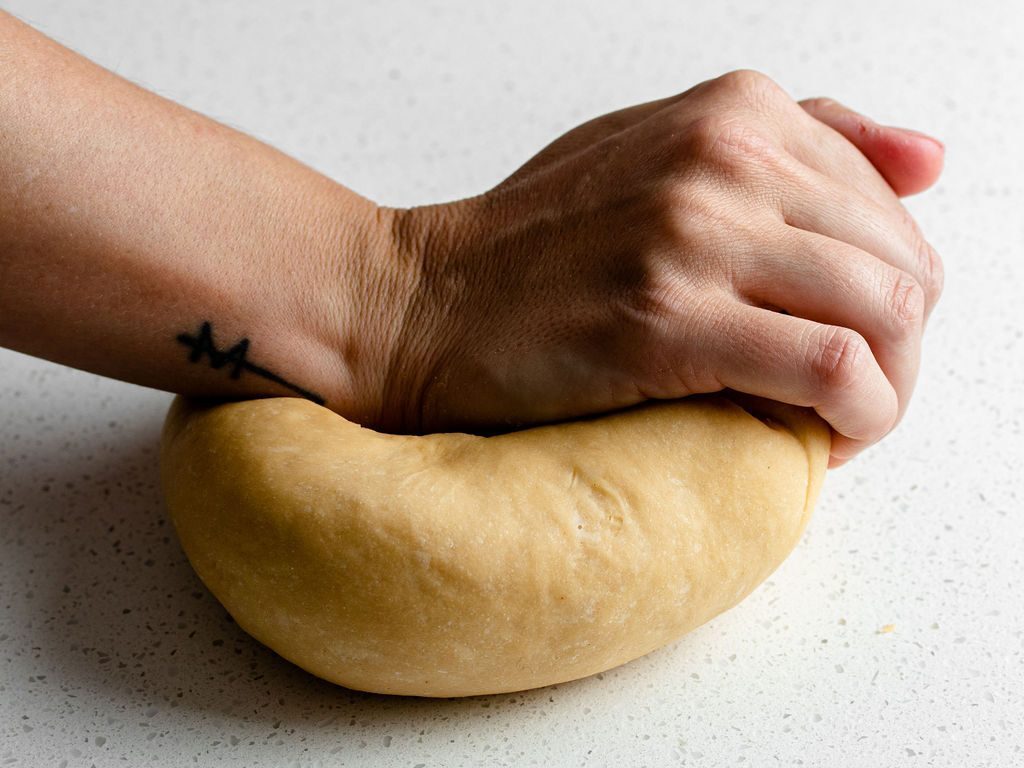
Now that your workspace is prepared and your ingredients are ready, we can begin the most crucial step in pasta making: the kneading process. This is where the magic happens, transforming a shaggy mass into a smooth, elastic dough. Proper kneading develops the gluten, which is essential for the texture and structure of your pasta.Kneading is an art that requires patience and a rhythmic approach.
It’s about developing the gluten strands within the flour, which gives the pasta its characteristic chewiness and prevents it from falling apart when cooked. Don’t be discouraged if your dough feels sticky or resistant at first; this is entirely normal.
Initial Folding and Bringing Together
The first few moments of kneading involve bringing the scattered ingredients together into a unified mass. This stage is about cohesion, gently encouraging the flour and liquid to mingle and begin their transformation.
Begin by using your hands or a bench scraper to gather the flour and egg mixture from your workspace. If the dough seems too dry, you can add a tiny bit more water, a teaspoon at a time. Conversely, if it’s excessively sticky, a light dusting of flour can help. The goal is to consolidate the ingredients into a rough ball.
The Heel of the Hand Technique
Once the dough is somewhat cohesive, the technique of pushing with the heel of your hand becomes paramount. This action is designed to stretch and fold the dough, initiating the gluten development process.
Place the heel of your dominant hand firmly onto the dough. With a steady, forward motion, push the dough away from you, stretching it across the work surface. As you push, the dough will naturally fold over itself. This stretching and folding action is the core of kneading.
Rhythmic Motion for Effective Kneading
Effective kneading relies on a consistent, rhythmic motion. This repetition is what allows the gluten to develop evenly throughout the dough.
The rhythm involves pushing, folding, and then rotating the dough. After pushing the dough away with your heel, fold it back towards you. Then, give the dough a quarter turn and repeat the pushing and folding motion. This continuous cycle of stretching, folding, and turning is what builds the strength and elasticity of the pasta dough.
Identifying Dough Cohesion
You’ll know you’re on the right track when the dough begins to transition from a shaggy, uneven texture to something smoother and more manageable. This indicates that the gluten is starting to form.
Initially, the dough will feel sticky and might tear easily. As you continue kneading, you will notice a significant change. The dough will become less sticky, more elastic, and will hold its shape better. It will start to feel smooth and slightly tacky, rather than wet and sticky. This point signifies that the dough is becoming cohesive and ready for further development.
Developing Gluten: The Core of Kneading
Kneading is the heart of pasta making, a crucial step where the magic of gluten development transforms simple ingredients into a pliable, resilient dough. This process is not merely about mixing; it’s a scientific transformation that gives pasta its characteristic texture and structure. By working the dough, we are essentially aligning and strengthening the proteins within the flour, creating a network that will hold its shape during cooking and provide that satisfying bite.The science behind gluten development lies in two proteins found in wheat flour: gliadin and glutenin.
When flour is hydrated with water and then subjected to mechanical action, these proteins begin to link together, forming a complex, elastic network. This network is what gives the dough its elasticity and strength. Without proper gluten development, pasta would be crumbly, sticky, and prone to falling apart when boiled.
The Repetitive Motion of Kneading
The repetitive pushing, folding, and turning motion of kneading is specifically designed to facilitate gluten formation. Imagine the dough as a tangled mess of protein strands. Each push stretches these strands, the fold brings them closer together, and the turn reorients them. This continuous action encourages the gliadin and glutenin proteins to bond, creating longer, stronger, and more interconnected gluten strands.This process can be visualized as follows:
- Pushing: This action stretches the existing gluten network, elongating the protein strands.
- Folding: Folding the dough over itself brings new surfaces into contact, allowing more protein molecules to interact and form new bonds.
- Turning: Rotating the dough ensures that all parts are worked evenly, preventing pockets of underdeveloped gluten and promoting a uniform texture.
Gauging Dough Readiness
Determining when your pasta dough is ready requires engaging your senses, particularly touch. The texture and elasticity of the dough are the primary indicators of sufficient gluten development. A well-kneaded dough will feel smooth, firm, and slightly elastic, no longer sticky or shaggy. It should spring back slowly when pressed.
Windowpane Consistency
The ultimate test for proper gluten development is the “windowpane” test. This is a visual and tactile assessment of the dough’s elasticity and strength.To perform the windowpane test:
- Take a small piece of dough, about the size of a golf ball.
- Gently stretch it outwards from the center, away from you.
- Continue to stretch it carefully until you can see light through it.
A dough that has achieved optimal gluten development will stretch thinly enough to become translucent, resembling a windowpane, without tearing. This indicates that the gluten network is strong and elastic, capable of holding its structure. If the dough tears easily or is too stiff to stretch thinly, it needs more kneading.
Recognizing When Kneading is Complete
Successfully kneading pasta dough is a culinary art that relies on both visual cues and tactile feedback. Achieving the right texture is paramount for creating pasta that cooks evenly and has a delightful bite. This section will guide you through the tell-tale signs that your dough has reached its optimal state of development.
Visual Cues of Well-Kneaded Dough
A properly kneaded pasta dough undergoes a significant transformation in appearance. It moves from a shaggy, uneven mass to a smooth, cohesive entity. Observing these visual changes is your first indicator that the gluten network is well-developed.
- The dough transitions from a dull, matte finish to a slightly shiny surface. This sheen is a result of the protein strands aligning and becoming more elastic.
- Any visible cracks or rough edges disappear. The dough will appear smooth and uniform, with no dry or unincorporated bits of flour remaining.
- The color of the dough may become slightly lighter and more uniform. This is due to the even distribution of ingredients and the aeration that occurs during kneading.
Tactile Sensations of Properly Kneaded Dough
Beyond what you can see, how the dough feels in your hands is a critical indicator of its readiness. The texture will evolve significantly as you knead, offering clear signals about its development.
- Initially, the dough will feel sticky and perhaps a bit resistant. As you continue kneading, it will become less sticky and more pliable.
- A well-kneaded dough will feel smooth and elastic, almost like a soft rubber ball. It should have a slight give when pressed but also a noticeable resilience.
- The dough will no longer cling excessively to your hands or the work surface. It should pull away cleanly, indicating that the gluten has formed a strong enough structure.
The Spring-Back Test for Elasticity
The spring-back test is a definitive method to assess the elasticity of your pasta dough, a direct result of sufficient gluten development. This simple test will confirm if your kneading efforts have been effective.
To perform the spring-back test, gently poke the surface of the dough with your finger. If the indentation springs back almost immediately and completely, your dough is likely well-kneaded and ready. If the indentation remains or only slowly fills in, the dough requires further kneading to develop its elasticity.
Common Signs of Under-Kneaded or Over-Kneaded Dough
Recognizing the signs of both under- and over-kneaded dough is crucial to avoid disappointing results. Each state will present distinct characteristics that are easily identifiable with practice.
Under-Kneaded Dough
Under-kneaded dough will feel tough, dense, and may still be somewhat sticky. Visually, it will appear rough, with visible cracks and uneven patches. When you attempt the spring-back test, the indentation will likely remain, indicating a weak gluten structure. Pasta made from under-kneaded dough will often be brittle, break easily during shaping, and cook unevenly, resulting in a gummy texture.
Over-Kneaded Dough
Over-kneaded dough can feel tough and rubbery, with a lack of pliability. It may resist shaping and feel overly stiff. While it’s harder to achieve significant over-kneading with pasta dough compared to bread dough, it can happen if kneaded for an excessive amount of time. The dough might also start to break down, becoming sticky again or even tearing easily.
Pasta made from over-kneaded dough can become tough and difficult to chew, lacking the desired tender bite.
Techniques for Different Dough Types
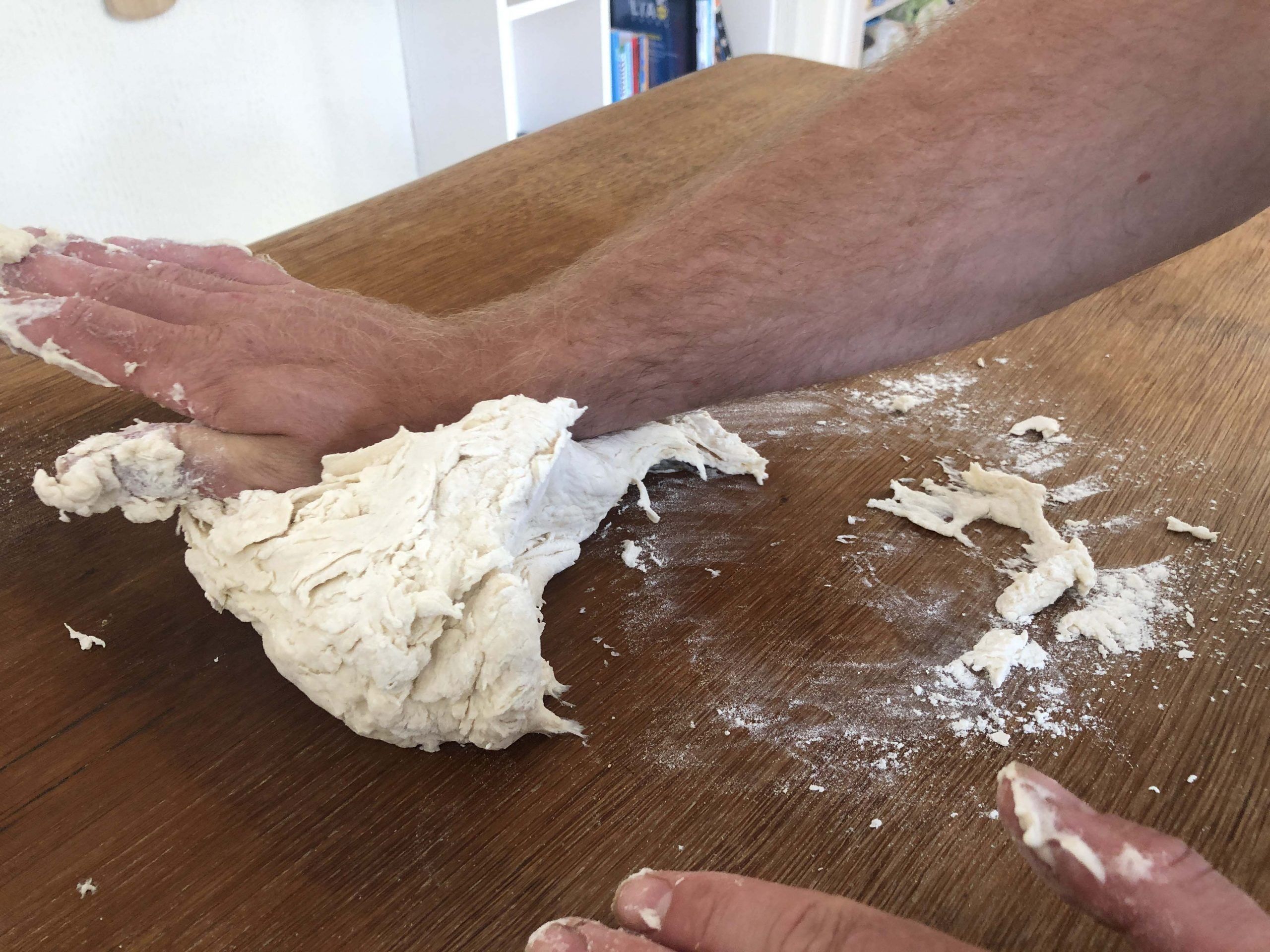
Understanding that pasta dough isn’t a one-size-fits-all creation is key to achieving perfect results. Different flour bases and hydration levels necessitate subtle yet important adjustments in your kneading technique. This section will guide you through these variations, ensuring your pasta is always a delight to make and to eat.When working with pasta dough, the primary distinctions in kneading arise from the presence or absence of eggs and the overall hydration level.
These factors significantly influence the dough’s texture and its gluten development.
Egg-Based Pasta Dough Kneading
Egg-based pasta doughs, often made with all-purpose or ’00’ flour and enriched with eggs, tend to be less sticky and require a slightly different approach. The fat and protein in the eggs contribute to a smoother, more pliable dough.The kneading process for egg-based dough is generally straightforward. The eggs provide enough moisture, and the dough typically comes together without excessive stickiness.
The focus remains on developing a smooth, elastic structure.
Water-Based Pasta Dough Kneading
In contrast, water-based pasta doughs, commonly made with semolina flour and water, can be more challenging due to their higher hydration potential and lack of fat. These doughs can feel stickier and require more attention to gluten development.The kneading of water-based dough often involves a more vigorous and sustained effort. The goal is to hydrate the semolina flour thoroughly and build a strong gluten network that can hold its shape during extrusion or rolling.
Adjustments for Different Hydration Levels
Hydration level, the ratio of water (or liquid) to flour, is a critical factor. Doughs with lower hydration are generally firmer and less sticky, requiring less time to knead. Conversely, higher hydration doughs are softer and stickier, demanding more careful handling and potentially longer kneading times to achieve the desired gluten structure.A simple rule of thumb is that as hydration increases, the dough becomes more elastic and can handle more manipulation without tearing.
However, excessive hydration can lead to a dough that is difficult to manage.
Handling Sticky Dough
Sticky dough can be a common hurdle, especially with higher hydration levels or when using certain types of flour. The key is patience and strategic intervention.When a dough feels excessively sticky, resist the urge to immediately add large amounts of extra flour, as this can make the dough tough. Instead, try these techniques:
- Lightly flour your hands and the work surface.
- Use a bench scraper to help lift and fold the dough, minimizing direct contact with your hands.
- Continue kneading. As gluten develops, the dough will become less sticky and more manageable.
- If the dough remains persistently sticky after several minutes of kneading, add flour very gradually, a tablespoon at a time, until it reaches a workable consistency.
Beginner-Friendly Kneading Approach
For those new to pasta making, a structured and patient approach ensures success. Focusing on fundamental techniques will build confidence and lead to delicious homemade pasta.Here is a step-by-step method for beginners:
- Initial Mixing: Combine your flour and liquid ingredients in a bowl. Mix until a shaggy dough forms.
- Resting: Cover the dough and let it rest for 10-15 minutes. This allows the flour to hydrate, making the dough easier to handle.
- First Knead: Turn the dough out onto a lightly floured surface. Begin the kneading process using the heel of your hand to push the dough away from you, then fold it back over itself. Repeat this motion rhythmically.
- Observe and Adjust: Pay close attention to the dough’s texture. If it feels very dry, lightly dampen your hands with water. If it’s too sticky, add a tiny amount of flour to your hands and the surface.
- Develop Elasticity: Continue kneading for at least 8-10 minutes. You are looking for the dough to become smooth, elastic, and slightly firm. It should spring back slowly when gently pressed.
- The Windowpane Test: To confirm gluten development, take a small piece of dough and gently stretch it. If you can stretch it thin enough to see light through it without tearing, the gluten is well-developed.
- Final Rest: Once kneading is complete, shape the dough into a ball, wrap it tightly in plastic wrap, and let it rest for at least 30 minutes at room temperature. This final rest allows the gluten to relax, making the dough easier to roll and shape.
Resting the Dough
After the diligent work of kneading, your pasta dough requires a period of rest to achieve its optimal texture and manageability. This crucial step allows the gluten network to relax and rehydrate, making the dough more pliable and easier to work with for shaping.The purpose of resting pasta dough is multifaceted. Primarily, it allows the gluten strands, which have been strengthened and aligned during kneading, to relax.
This relaxation prevents the dough from becoming too tough or elastic, which can make it difficult to roll out thinly and can result in a chewy, unappealing texture in the finished pasta. Furthermore, resting allows any remaining dry flour particles to fully hydrate, leading to a more homogenous and cohesive dough.
Optimal Duration for Resting
The ideal resting time for pasta dough can vary slightly depending on the ingredients and ambient temperature, but a general guideline ensures the best results. For most standard egg pasta doughs, a resting period of at least 30 minutes is recommended. For doughs that are particularly stiff or if you are working in a warm environment, extending this rest to an hour can be beneficial.
Ideal Environment for Resting
The environment in which you rest your pasta dough plays a significant role in its outcome. To prevent the dough from drying out, it should be covered. The most common and effective method is to wrap the dough tightly in plastic wrap or place it in a sealed airtight container. This creates a humid environment that keeps the surface of the dough moist.
Resting at room temperature is generally preferred. Avoid refrigerating the dough for resting unless specifically instructed for a particular recipe, as extreme cold can make the dough brittle and harder to work with.
Benefits for Dough Texture and Manageability
The benefits of resting are evident in both the dough’s texture and its ease of handling. A rested dough will be noticeably softer and more elastic. This increased elasticity means it will stretch more readily without snapping back aggressively, making the process of rolling it out much smoother. The gluten relaxation also contributes to a more tender final pasta product, avoiding the toughness that can arise from overworked or insufficiently rested dough.
A well-rested dough will also be less sticky, reducing the need for excessive dusting of flour during the rolling and shaping stages, which can otherwise dilute the dough’s flavor and texture.
Troubleshooting Common Kneading Issues

Even with the best intentions and careful adherence to instructions, pasta dough can sometimes present challenges during the kneading process. Understanding how to identify and rectify these common issues is crucial for achieving the perfect pasta texture. This section will guide you through the most frequent problems and provide practical solutions to get your dough back on track.The key to successful troubleshooting lies in observing the dough’s behavior and understanding the underlying causes of its inconsistencies.
With a few simple adjustments, you can often salvage a dough that seems destined for failure, ensuring a delicious outcome for your homemade pasta.
Dough Consistency: Too Dry or Too Wet
The ideal pasta dough should be firm yet pliable, neither crumbly nor sticky. When the consistency is off, it can significantly impact the texture and handling of your pasta. Fortunately, these issues are usually straightforward to correct.For dough that is too dry and crumbly, appearing to resist coming together:
- Gradually add small amounts of liquid, typically water or sometimes a bit of olive oil, a teaspoon at a time.
- Knead thoroughly after each addition to allow the liquid to be fully incorporated.
- Continue adding liquid until the dough just begins to hold together and loses its dry, crumbly appearance. Avoid adding too much liquid at once, as this can lead to the opposite problem.
When the dough is too wet and sticky, clinging excessively to your hands and work surface:
- Dust your work surface and hands lightly with more flour.
- Knead the dough, incorporating the flour gradually.
- The goal is to absorb the excess moisture without making the dough tough. Continue kneading until the dough is no longer sticky and has a smooth, elastic feel.
- Be mindful not to add too much flour, as this can result in a dry, tough dough.
Dough Tearing Easily
A dough that tears easily during kneading often indicates that the gluten hasn’t developed sufficiently or that the dough is too dry. This means the protein strands are not yet strong enough to withstand the stretching and folding required for proper kneading.To address a dough that tears easily:
- Continue kneading with a consistent rhythm. The act of kneading itself is what builds gluten strength.
- Ensure your kneading pressure is firm and deliberate, but avoid yanking or tearing the dough forcefully. Instead, use a push-fold-turn motion.
- If the dough is slightly dry, you can try adding a tiny bit of water (just a few drops) to help improve its elasticity. Knead it in thoroughly.
- Allow the dough to rest. Sometimes, a brief rest (10-15 minutes) can allow the gluten to relax and become more pliable, making it less prone to tearing.
Salvaging Tough Dough
A tough dough can result from over-kneading, adding too much flour, or not allowing sufficient resting time. It feels stiff, resistant, and can be difficult to work with.To salvage a tough dough:
- The most effective method is to allow the dough to rest for a longer period. Cover it tightly with plastic wrap and let it sit at room temperature for at least 30 minutes, or even up to an hour.
- This extended rest allows the gluten to relax and rehydrate, making the dough more tender and easier to handle.
- After resting, gently try to knead it again for a short period. You may find it has softened considerably.
- If the dough remains excessively tough, it might be difficult to achieve a silky texture, but it can still be usable for certain pasta shapes that benefit from a firmer dough.
Maintaining Consistent Kneading Pressure
Consistent pressure is vital for even gluten development, which in turn ensures a uniform and desirable pasta texture. Inconsistent pressure can lead to pockets of underdeveloped gluten, resulting in uneven cooking and a less pleasant mouthfeel.To maintain consistent kneading pressure:
- Develop a steady rhythm. Think of kneading as a dance between your hands and the dough.
- Use the heel of your hand to push the dough away from you. Apply firm, even pressure.
- Avoid jerky movements or excessive force. The goal is to stretch and fold the dough, not to beat it.
- Keep your movements fluid and repetitive. The push, fold, and turn motion should become automatic with practice.
- Pay attention to how the dough responds. As it develops, it will become more elastic and easier to handle, allowing you to maintain a consistent pressure more naturally.
Visualizing the Kneading Technique (Descriptive)
The act of hand-kneading pasta dough is a dance of effort and precision, a rhythmic engagement that transforms humble ingredients into a smooth, elastic foundation for your culinary creations. It’s a tactile experience, where your hands become the primary tools, sensing and shaping the dough’s evolving character.Observing an experienced hand at work reveals a fluid motion. The process begins with a push, using the heel of your hand to extend the dough away from you.
This is immediately followed by a fold, bringing the far edge of the dough back towards you, covering the area you just pushed. Then comes a quarter turn, a subtle but crucial rotation of the dough, ensuring that each part is worked evenly. This cycle of push, fold, and turn is the heartbeat of effective kneading.The dough’s transformation is a visual narrative of gluten development.
Initially, it appears shaggy and uneven, a collection of flour and liquid struggling to cohere. As you continue the push, fold, and turn, the surface begins to smooth out. Cracks and dry spots gradually disappear, replaced by a more uniform texture. The dough starts to feel less sticky and more cohesive, resisting your touch slightly.As the kneading progresses, the dough’s surface undergoes subtle but telling changes.
It shifts from a dull, matte finish to a more satiny sheen. The small, irregular bumps and valleys smooth out, creating a surface that is increasingly taut and resilient. You’ll notice it becomes less prone to tearing and starts to spring back gently when poked, a clear indication of its developing elasticity.The physical effort involved in hand-kneading is significant, but it’s not about brute force.
Instead, it’s about a consistent rhythm and a mindful application of pressure. Imagine a gentle but firm push, a deliberate fold, and a precise turn. This repetition builds a rhythm that allows you to work the dough efficiently without exhausting yourself. The warmth of your hands transfers energy, encouraging the gluten strands to align and strengthen. It’s a process that requires patience and a developing sensitivity to the dough’s needs, allowing you to feel when it’s reaching its optimal state.
Incorporating Dough into Recipes

Once your pasta dough has achieved the perfect texture and gluten development through kneading, the next crucial step is preparing it for its culinary destiny. This involves a series of thoughtful actions to ensure your pasta cooks evenly and holds its shape beautifully, transforming simple ingredients into delightful dishes.The successful incorporation of kneaded dough into recipes hinges on several key considerations, from the initial resting period to the final shaping.
Paying close attention to these details will elevate your homemade pasta from good to exceptional.
Preparing Dough for Rolling and Shaping
After the kneading process and the essential resting period, the dough is ready to be transformed into various pasta shapes. This preparation phase is vital for achieving the desired texture and appearance.The dough should be gently brought back to room temperature if it has been refrigerated, making it more pliable. Before rolling, lightly dust your work surface and the dough itself with a small amount of flour to prevent sticking.
Divide the dough into manageable portions, typically enough to work with comfortably without the rest of the dough drying out. Each portion can then be flattened slightly by hand before being passed through a pasta machine or rolled out with a rolling pin.
Importance of Consistent Dough Thickness
Achieving uniform dough thickness is paramount for ensuring your pasta cooks evenly and has the ideal texture. Uneven thickness can lead to some parts of the pasta being overcooked and gummy while others remain undercooked and tough.
Consistency in thickness is the silent guardian of perfectly cooked pasta.
When using a pasta machine, gradually decrease the setting with each pass, ensuring the dough is fed through evenly. If rolling by hand, use a rolling pin with even pressure, rotating the dough frequently to maintain a consistent thickness across the entire sheet. The ideal thickness will vary depending on the type of pasta being made, but aim for a delicate, almost translucent quality for many shapes.
Tips for Handling Delicate Pasta Shapes
Certain pasta shapes, especially those that are intricate or made from very thin dough, require a gentle touch after kneading and rolling. Mishandling can lead to tearing or deformation, impacting both the appearance and the cooking integrity of the pasta.Here are some tips for handling delicate pasta shapes:
- Flour Liberally: After cutting or shaping delicate pasta, toss it gently with semolina flour or a mixture of semolina and all-purpose flour. This coating acts as a barrier, preventing the pieces from sticking to each other.
- Use Drying Racks: For shapes like ravioli, tortellini, or delicate cut noodles, a pasta drying rack is invaluable. Arrange the pasta in a single layer, ensuring pieces do not touch, allowing for even air circulation.
- Work in Batches: Avoid overcrowding your workspace or drying racks. Prepare and shape pasta in smaller batches to manage it more effectively and prevent accidental damage.
- Gentle Transfer: When moving shaped pasta, use a flat, floured surface like a baking sheet or a large cutting board. Lift and place rather than dragging or pushing to avoid stretching or tearing.
- Consider Immediate Cooking: For the most delicate creations, consider cooking them shortly after shaping, as they are most vulnerable to drying out and becoming brittle if left for too long.
Storing Uncooked Pasta Made from Hand-Kneaded Dough
Proper storage of uncooked hand-kneaded pasta is essential to maintain its quality and prevent it from drying out or becoming sticky. The method of storage will depend on how long you intend to keep the pasta.For short-term storage (up to 24-48 hours), the pasta can be kept loosely covered with plastic wrap or a clean kitchen towel at room temperature, especially if it has been lightly floured.
For longer storage, refrigerating or freezing is recommended.
- Refrigeration: If you plan to use the pasta within a few days, you can store it in an airtight container in the refrigerator. Ensure the pasta is well-floured to prevent sticking.
- Freezing: Hand-kneaded pasta freezes exceptionally well. Lay the shaped pasta in a single layer on a floured baking sheet and freeze until firm. Once frozen, transfer the pasta to a freezer-safe bag or container. It can be cooked directly from frozen, though cooking times may be slightly longer.
- Drying: For long-term storage, pasta can be dried completely. This is best achieved using a pasta drying rack or by hanging strands over a pasta dryer. Once fully dried and brittle, store in an airtight container at room temperature.
Closing Summary
Mastering the art of hand-kneading pasta dough is a rewarding endeavor that elevates your culinary skills, transforming humble ingredients into a delightful canvas for flavorful sauces and authentic dishes. By understanding the fundamental principles, meticulously preparing your ingredients and workspace, and diligently applying the techniques for gluten development, you will consistently achieve a smooth, elastic dough that is a joy to work with.
Embrace the rhythm of kneading, trust the tactile cues, and you’ll unlock the secret to truly exceptional homemade pasta, ready to be shaped, cooked, and savored.