How to Dry Fresh Pasta for Long-Term Storage invites you on a culinary journey, transforming your homemade pasta into a pantry staple. This guide unlocks the secrets to preserving the delicate flavors and textures of your creations, ensuring you can enjoy them long after they’re made.
We will explore the fundamental principles behind drying pasta, delving into the science that prevents spoilage and the historical significance of this preservation technique. You’ll discover the essential tools and ingredients required, with a particular focus on controlling humidity for optimal results. Various drying methods, from traditional air-drying to utilizing dehydrators and ovens, will be detailed step-by-step, alongside preparation techniques to ensure your pasta dries evenly and without sticking.
Furthermore, we’ll cover the crucial aspects of monitoring the drying process, recognizing the signs of perfectly dried pasta, and the best practices for long-term storage. Finally, we’ll provide guidance on reviving your dried pasta for cooking, addressing common troubleshooting issues to ensure a successful and delicious outcome.
Understanding the Importance of Drying Fresh Pasta
Drying fresh pasta is a fundamental technique that transforms a perishable ingredient into a shelf-stable food item, allowing for enjoyment of homemade pasta long after it’s been made. This process is not merely about convenience; it’s a scientifically sound method of preservation that has been practiced for centuries, ensuring food security and culinary enjoyment across seasons. By understanding the principles behind drying, you can confidently preserve your pasta creations for future meals.The science of preservation through drying hinges on the removal of moisture.
Microorganisms, such as bacteria, yeasts, and molds, which are responsible for spoilage, require water to survive and multiply. When fresh pasta, which has a high moisture content, is dried thoroughly, this essential element for microbial growth is significantly reduced, creating an environment where these spoilage agents cannot thrive. This dehydration process effectively halts or dramatically slows down enzymatic activity and microbial proliferation, thereby extending the pasta’s shelf life considerably.
Historical Context of Drying Pasta for Storage
The practice of drying pasta for preservation is deeply rooted in culinary history, dating back to ancient times. Early civilizations recognized that by removing water from food, they could prevent spoilage and ensure a reliable food source, especially during times of scarcity or for long journeys. The Mediterranean region, with its warm climate, became a natural incubator for this technique.Early forms of dried pasta were often sun-dried.
Artisans would lay sheets of pasta out in the sun, allowing the heat and dry air to evaporate the moisture. This method was labor-intensive and dependent on favorable weather conditions. Over time, more controlled drying methods, such as using ovens or specialized drying rooms, were developed to ensure consistency and efficiency. This historical reliance on drying laid the groundwork for the global popularity of dried pasta as a staple food, demonstrating its enduring value as a preservation method.
Benefits of Drying Fresh Pasta for Preservation
Drying fresh pasta offers a multitude of advantages, primarily centered around its ability to extend shelf life and maintain quality. This transformation from a delicate, perishable product to a robust, storable one unlocks significant culinary and practical benefits.The key benefits include:
- Extended Shelf Life: Properly dried pasta can last for months, even up to a year or more, when stored correctly in airtight containers in a cool, dry place. This contrasts sharply with fresh pasta, which typically needs to be consumed within a few days.
- Reduced Spoilage: By inhibiting the growth of bacteria, mold, and yeast, drying significantly reduces the risk of spoilage, preventing food waste and ensuring safety.
- Convenience and Flexibility: Having a supply of dried homemade pasta means you can enjoy your own creations on demand, without the need for immediate preparation. This is particularly useful for busy individuals or for planning meals in advance.
- Preservation of Nutrients: While some minor nutrient degradation can occur during any food processing, the drying process, when done correctly, generally preserves the nutritional value of pasta effectively.
- Cost-Effectiveness: Making and drying pasta at home can be more economical than purchasing pre-made dried pasta, especially if you grow your own ingredients or buy in bulk.
The Science of Dehydration and Pasta Preservation
The principle behind drying pasta for preservation is the reduction of water activity. Water activity (aw) is a measure of the unbound water available in a food product for microbial growth and chemical reactions. Fresh pasta typically has a high water content, often around 30-40%, leading to a high water activity.
Water activity (aw) is a critical factor in food spoilage. A lower water activity inhibits microbial growth and slows down enzymatic degradation.
When pasta is dried, the moisture content is reduced to below 12%, significantly lowering its water activity. This low water activity creates an unfavorable environment for most spoilage microorganisms.
- Inhibition of Microbial Growth: Bacteria, yeasts, and molds require a minimum level of water activity to grow and reproduce. For most spoilage organisms, this threshold is around 0.85 aw. By reducing the pasta’s water activity to below 0.6 aw, their growth is effectively prevented.
- Slowing Enzymatic Reactions: Enzymes naturally present in food can cause degradation and changes in texture and flavor. While not entirely stopped, the rate of these enzymatic reactions is greatly reduced in a dehydrated state.
- Prevention of Oxidation: Moisture can facilitate oxidative processes that lead to rancidity and off-flavors. Reducing moisture content helps to mitigate these reactions, preserving the quality of the pasta.
The drying process essentially puts the pasta into a dormant state, preserving its structure and composition until rehydrated.
Essential Equipment and Ingredients
To successfully dry fresh pasta for long-term storage, having the right tools and high-quality ingredients is paramount. These elements not only simplify the process but also contribute significantly to the final texture and shelf-life of your dried pasta. This section will guide you through the essential items you’ll need, from the foundational ingredients to the environmental controls.The quality of your flour and the control over your drying environment are critical factors in achieving perfectly dried pasta that will last.
Understanding these aspects will set you up for success, ensuring your homemade dried pasta is as good as, if not better than, store-bought varieties.
Drying Equipment
A few key pieces of equipment will make the pasta drying process efficient and effective. These tools are designed to support the pasta while allowing for maximum air circulation, which is crucial for even drying.
- Drying Racks: These can range from simple pasta drying racks with multiple arms to more elaborate tiered racks. The goal is to hang long strands of pasta like spaghetti or fettuccine, or lay out shapes like farfalle or rotini, so they don’t touch each other.
- Baking Sheets or Trays: For smaller pasta shapes or if you don’t have a dedicated drying rack, parchment-lined baking sheets are useful for the initial stages of drying before transferring to racks or for shapes that lay flat.
- Clean Cloths or Paper Towels: These are used to lightly dust the pasta if it becomes too sticky during the initial drying phase, or to absorb any excess moisture.
- A Well-Ventilated Space: This is arguably the most important piece of “equipment.” It needs to be a location with consistent airflow and away from direct sunlight or humidity sources.
- Optional: Dehydrator: While not strictly necessary, a food dehydrator with temperature and humidity controls can offer a more controlled and faster drying process, especially in humid climates.
Ideal Flour and Ingredients
The type of flour you use will significantly impact the texture and drying properties of your pasta. While many flours can be used, some are more traditional and yield better results for drying.
- “00” Flour: This is a finely ground Italian flour that is low in gluten. It creates a tender pasta that is excellent for fresh consumption but can be slightly more delicate when dried.
- Semolina Flour: Made from durum wheat, semolina is coarser and has a higher gluten content. This makes it ideal for dried pasta as it holds its shape well during drying and cooking, resulting in a firm, al dente texture. Many traditional dried pasta recipes utilize a blend of “00” flour and semolina.
- All-Purpose Flour: While usable, all-purpose flour may result in pasta that is softer and less resilient when dried compared to pasta made with semolina.
- Eggs: Fresh eggs contribute richness, color, and binding properties to the pasta dough.
- Water or Olive Oil: Depending on the recipe, a small amount of water or olive oil may be added to achieve the desired dough consistency.
Humidity Control in the Drying Environment
Controlling the humidity of your drying environment is perhaps the most critical factor in successfully drying fresh pasta for long-term storage. Excessive moisture can lead to mold growth and prevent the pasta from drying thoroughly, while too little can cause it to dry too quickly and become brittle.
“The ideal relative humidity for drying pasta is between 40% and 50%. This range allows for a steady, even evaporation of moisture without compromising the pasta’s structure.”
Achieving this balance often requires careful consideration of your surroundings. In naturally dry climates, simply ensuring good air circulation may suffice. However, in more humid regions, you might need to employ methods to reduce moisture. This could involve using a dehumidifier in the drying space or ensuring the room is well-ventilated with air conditioning or fans to circulate dry air.
Conversely, if the air is excessively dry, it can cause the pasta’s surface to harden too quickly, trapping moisture within, leading to uneven drying and potential spoilage. Therefore, monitoring and managing the humidity levels are key to producing durable, well-preserved dried pasta.
Methods for Drying Fresh Pasta
Successfully drying fresh pasta is key to preserving its delightful texture and flavor for future culinary adventures. This process transforms pliable dough into a shelf-stable ingredient, ready to be cooked just like its store-bought counterpart. Several methods exist, each offering distinct advantages and requiring varying levels of attention and equipment. We will explore the most effective techniques to achieve perfectly dried pasta.Drying fresh pasta involves removing moisture gradually to prevent cracking and ensure even preservation.
The goal is to reach a state where the pasta is brittle and snaps cleanly when bent. The chosen method will influence the drying time and the final quality of the pasta.
Air-Drying Pasta
Air-drying is the most traditional and accessible method, requiring minimal equipment. It relies on ambient air circulation to slowly draw moisture out of the pasta. Patience is a virtue with this technique, as it can take anywhere from 12 to 48 hours, depending on humidity and temperature.Here is a step-by-step procedure for air-drying fresh pasta:
- Prepare your drying space: Choose a cool, dry, and well-ventilated area. Avoid direct sunlight, which can cause uneven drying and discoloration. A kitchen counter away from heat sources or a dedicated pantry works well.
- Set up drying racks: Pasta drying racks are ideal, but you can improvise. Wooden drying racks, clean baking sheets lined with parchment paper (ensure air can circulate underneath), or even clean, lint-free kitchen towels laid flat can be used. For long pasta like spaghetti or fettuccine, consider using pasta drying trees or clean broom handles suspended between two chairs.
- Arrange the pasta: For cut pasta shapes (like farfalle, penne, or rotini), spread them in a single layer on your chosen surface. Ensure there is space between each piece to allow for adequate air circulation. For long strands, hang them over drying racks or suspended rods.
- Initial drying: Allow the pasta to air dry for the first 4-8 hours, turning or gently tossing the pieces occasionally to ensure all sides are exposed to air. This initial phase helps the pasta firm up.
- Continue drying: Leave the pasta undisturbed for the remaining drying period. The total time will vary significantly based on humidity. In humid conditions, it might take longer. The pasta is dry when it feels hard and brittle.
- Test for dryness: To test, take a piece of pasta and try to bend it. It should snap cleanly, not bend or feel pliable. If it bends, it needs more drying time.
Using a Dehydrator for Pasta
A food dehydrator offers a controlled environment for drying pasta, significantly reducing drying time and minimizing the risk of spoilage due to fluctuating humidity. This method is efficient and yields consistent results.The process of using a dehydrator for pasta involves the following steps:
- Pre-dry pasta (optional but recommended): For best results, allow fresh pasta to air dry for 1-2 hours before placing it in the dehydrator. This helps the pasta firm up and prevents sticking.
- Arrange pasta on dehydrator trays: Spread the pasta in a single layer on the dehydrator trays, ensuring pieces do not overlap. For smaller shapes, you might use mesh liners to prevent them from falling through.
- Set dehydrator temperature: Set the dehydrator to a temperature between 125°F and 140°F (52°C to 60°C). This range is effective for drying without cooking the pasta.
- Drying time: Drying times can range from 4 to 12 hours, depending on the thickness of the pasta, the type of dehydrator, and the humidity levels.
- Check for dryness: Periodically check the pasta. It should be completely brittle and snap cleanly when bent. Rotate trays as needed for even drying.
- Cooling: Once dry, remove the pasta from the dehydrator and allow it to cool completely to room temperature before storing.
Oven-Drying Techniques for Pasta
Oven-drying can be a quick method for drying pasta, especially if you don’t have a dehydrator. However, it requires careful temperature control to prevent the pasta from cooking or burning. This method is best suited for smaller batches.Comparing and contrasting oven-drying techniques for pasta reveals distinct approaches:
| Technique | Description | Pros | Cons |
|---|---|---|---|
| Low-Temperature Oven Drying | Utilizes the lowest possible oven setting, often with the door slightly ajar to allow moisture to escape. | Relatively quick drying time; good for smaller batches. | Requires constant monitoring to prevent overcooking; can be energy-intensive. |
| Convection Oven Drying | If your oven has a convection setting, it can improve air circulation, leading to more even drying. | More efficient drying due to air circulation; potentially faster than conventional oven drying. | Still requires careful temperature management; not all ovens have a reliable convection setting at very low temperatures. |
For oven-drying, it is crucial to pre-dry the pasta slightly at room temperature for about an hour before placing it in the oven. This prevents the pasta from becoming too soft and sticking to the oven racks or baking sheets. Arrange the pasta in a single layer on parchment-lined baking sheets. Set the oven to its lowest temperature setting, typically around 150°F to 170°F (65°C to 77°C).
If possible, prop the oven door open with a wooden spoon to allow steam to escape. Flip the pasta occasionally and check for dryness. The pasta is ready when it is brittle and snaps easily.
Creating a Makeshift Drying Setup
For those without specialized equipment, a makeshift drying setup can be effectively created using common household items. The principle remains the same: ensure good air circulation and a dry environment.Here are some ideas for creating a makeshift drying setup:
- Cardboard Box Dryer: Take a large cardboard box and cut ventilation holes on the sides and top. Place the pasta on racks or screens inside the box. For added airflow, a small, low-speed fan can be placed near the box’s openings.
- Wire Rack and Fan System: Use wire cooling racks placed on top of bowls or containers to elevate them. Position a fan on a low setting to blow air across the racks of pasta. Ensure the room is relatively dry and free from dust.
- Hanging Method with Clothes Hangers: For long pasta, clean wire clothes hangers can be bent to create loops. Hang the pasta strands over these loops, and then suspend the hangers from a shower rod or a sturdy rack.
Preparing Pasta for Drying
The journey from fresh, pliable dough to perfectly preserved pasta requires careful preparation. This stage is crucial for ensuring that your dried pasta not only stores well but also cooks beautifully, retaining its intended texture and flavor. The way you shape, cut, and handle your pasta before it hits the drying racks can significantly impact the final outcome.Achieving uniform thickness across all pasta pieces is paramount for even drying.
Inconsistent thicknesses can lead to some pieces becoming brittle while others remain too soft, compromising the overall quality and shelf life of your stored pasta. Similarly, preventing the pasta from sticking to itself and drying surfaces is essential to avoid tearing and ensure individual pieces dry thoroughly and independently.
Shaping and Cutting for Optimal Drying
The shape and cut of your pasta directly influence its drying efficiency and final cooking characteristics. Delicate shapes with a large surface area relative to their thickness, such as farfalle or ravioli, will dry faster. Thicker, more substantial shapes, like fettuccine or lasagna sheets, require more time and may benefit from slightly thinner cuts to facilitate even drying. When cutting, aim for clean, decisive actions to avoid ragged edges that can absorb moisture unevenly.For long pasta shapes like spaghetti or linguine, using a sharp knife or a pasta cutter ensures clean separation.
For filled pastas, ensure edges are well-sealed to prevent the filling from leaking out during the drying process, which can lead to spoilage.
Ensuring Even Thickness
The importance of even thickness cannot be overstated. Imagine a batch of fettuccine where half the strands are paper-thin and the other half are as thick as twine. When drying, the thin strands would quickly become over-dried and brittle, while the thicker strands might still be too moist. This disparity not only affects the drying time but also how the pasta cooks.
Over-dried pasta will break apart easily, while under-dried pasta can become gummy or spoil.
Even thickness is the cornerstone of successful pasta drying, ensuring uniform hydration and cooking.
When rolling out pasta dough, particularly for sheets, use a pasta machine to achieve consistent thickness. If rolling by hand, practice even pressure and regularly check the thickness with a ruler or caliper. For extruded shapes, the die itself dictates the thickness, but ensuring the dough is properly hydrated and the machine is functioning correctly will lead to uniform strands.
Preventing Pasta Sticking
Pasta dough, especially when fresh, has a natural tendency to adhere to itself and surfaces. Proactive measures are key to preventing this common issue and ensuring each piece dries individually.Here are several effective methods to prevent pasta from sticking:
- Use Flour Generously (but strategically): Lightly dust your work surface, pasta machine rollers, and cutting tools with semolina flour or regular all-purpose flour. This creates a barrier between the pasta and the surfaces. Avoid over-flouring, as too much flour can affect the pasta’s texture during cooking.
- Work in Batches: Don’t overcrowd your drying racks or surfaces. Dry pasta in manageable batches, allowing ample space between each piece. This ensures air circulation and prevents pieces from touching and sticking together.
- Utilize Drying Racks: Invest in pasta drying racks specifically designed for this purpose. These racks allow pasta to hang freely, promoting even air exposure and preventing contact between strands. For sheet pasta, use parchment paper or lightly floured drying screens.
- Consider Cornmeal for Sheet Pasta: For lasagna sheets or other flat pasta, a light dusting of cornmeal on parchment paper or drying screens can be very effective in preventing sticking while adding a subtle texture.
- Allow a Brief Initial Set: For some pasta shapes, particularly filled or delicate ones, allowing them to sit for a few minutes on a lightly floured surface after shaping can help them firm up slightly before being moved to drying racks. This brief “set” can reduce their stickiness.
- Gentle Handling: Be as gentle as possible when transferring pasta from the shaping surface to the drying rack. Avoid bunching or pressing pasta together.
The Drying Process: Monitoring and Patience
Successfully drying fresh pasta is a delicate balance that requires keen observation and a patient hand. This stage is crucial for ensuring your pasta retains its quality and flavor for long-term storage. It’s not simply about leaving it out to air dry; it involves understanding the subtle cues your pasta will give you as it transforms from pliable to perfectly preserved.The key to successful drying lies in recognizing when the pasta has reached its optimal dryness.
This is a point where it is brittle enough to break cleanly but not so brittle that it crumbles into dust. Over-drying can lead to a loss of texture and flavor, while under-drying leaves it vulnerable to mold and spoilage. Achieving uniformity across your batch is also paramount, as inconsistent drying can result in some pieces spoiling while others are perfectly preserved.
Recognizing Complete Dryness
Determining when your pasta is fully dry involves a combination of tactile and auditory cues. When pasta is properly dried, it should feel hard and rigid to the touch. It will no longer yield to pressure.To further test for dryness, gently try to snap a piece of the pasta.
- A perfectly dried piece of pasta will break with a clean, sharp snap, similar to a dry twig.
- If the pasta bends before breaking or feels leathery, it is still too moist.
- If it shatters into many small pieces or dust upon minimal pressure, it may have been over-dried.
The sound it makes when handled can also be an indicator; fully dried pasta will often produce a slight rattling sound.
Common Signs of Under- or Over-Drying
Understanding the pitfalls of improper drying is as important as knowing the signs of success. Both under- and over-drying can compromise the quality and safety of your stored pasta.Signs of under-dried pasta include:
- A slightly soft or pliable texture.
- Bending rather than snapping when tested.
- A tendency to stick together in clumps even after extended drying.
- The potential for mold growth if stored before fully dry.
Signs of over-dried pasta include:
- Extreme brittleness, leading to crumbling.
- A chalky or dusty appearance.
- A noticeable loss of flavor and a more fragile texture when rehydrated.
- The pasta may become excessively light and feel almost hollow.
Strategies for Uniform Drying
Achieving consistent dryness across all your pasta pieces is vital for successful long-term storage. This often requires mindful arrangement and attention to environmental factors.Effective strategies for ensuring uniform drying include:
- Even Spacing: Ensure pasta pieces are not overlapping or touching excessively. This allows air to circulate freely around each piece, promoting even drying.
- Rotation: Periodically rotate the trays or racks where the pasta is drying. This helps expose all sides of the pasta to the drying air, preventing one side from drying faster than the other.
- Air Circulation: Utilize a fan on a low setting to gently move air around the drying pasta. Avoid placing the fan too close, as this can cause uneven drying or damage delicate pasta shapes.
- Consistent Temperature and Humidity: Maintain a stable environment. Fluctuations in temperature or humidity can significantly impact drying times and consistency. Ideally, aim for a cool, dry environment with good air movement.
- Drying Methods: If using different drying methods (e.g., air drying and a dehydrator), ensure you are monitoring each method closely as their drying rates can vary.
Visual Description of Perfectly Dried Pasta
Perfectly dried pasta possesses a distinct visual character that signifies its readiness for storage. It should appear matte rather than glossy, indicating that the surface moisture has evaporated.Visually, perfectly dried pasta exhibits:
- A uniform, slightly opaque color, consistent with the type of flour used.
- A smooth, hard surface that reflects light evenly.
- No visible signs of moisture or stickiness.
- The edges of the pasta should appear sharp and well-defined, not rounded or soft.
- When viewed closely, there should be no subtle sheen that would suggest residual moisture.
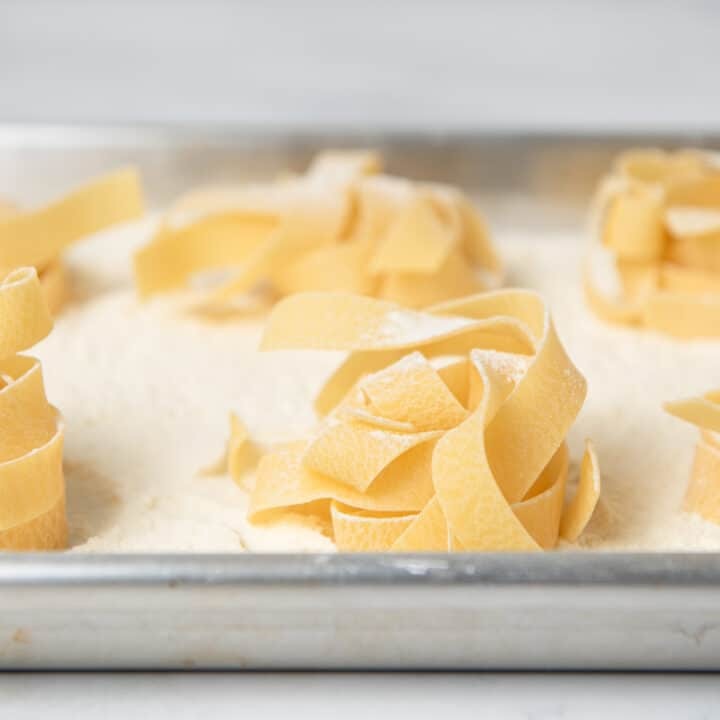
A well-dried piece of tagliatelle, for instance, would lie flat and rigid, with a matte finish and a color that is neither too pale nor too dark, indicating it has dried evenly without scorching or retaining moisture.
Storage of Dried Fresh Pasta
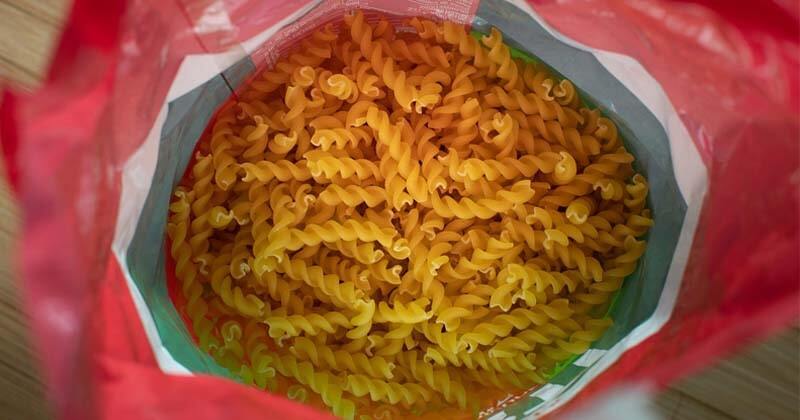
Proper storage is paramount to preserving the quality and extending the shelf life of your meticulously dried fresh pasta. By implementing the right techniques, you can ensure that your homemade pasta remains a delicious and convenient option for future meals. This section will guide you through the best practices for storing dried pasta long-term, ensuring its integrity and flavor are maintained.
Container Types and Sealing Methods
The choice of container and the effectiveness of its seal directly impact how well your dried pasta is protected from moisture, air, and pests. Selecting the right options is crucial for long-term preservation.The most effective containers for storing dried pasta are those that create an airtight seal. This prevents ambient moisture from rehydrating the pasta and also deters insects and other pantry pests.
- Airtight Glass Jars: These are an excellent choice due to their inert nature, allowing you to see the pasta inside. Look for jars with rubber gaskets and clamp lids or screw-top lids that create a strong seal.
- Food-Grade Plastic Containers with Gasket Seals: Similar to glass jars, these offer a good airtight seal and are often more lightweight and durable. Ensure the plastic is BPA-free and specifically designed for food storage.
- Vacuum-Sealed Bags: For the absolute best long-term storage, vacuum sealing removes almost all air from the packaging, significantly inhibiting oxidation and moisture ingress. This method is particularly effective for bulk storage.
- Mylar Bags with Oxygen Absorbers: For very long-term storage (years), mylar bags combined with oxygen absorbers offer superior protection against spoilage by removing residual oxygen.
When sealing your chosen containers, ensure they are completely dry before adding the pasta. For jars and plastic containers, double-check that the lids are securely fastened. If using vacuum-sealed bags, ensure the seal is strong and intact. For mylar bags, follow the manufacturer’s instructions for sealing, often involving heat sealing.
Ideal Environmental Conditions
The environment in which you store your dried pasta plays a critical role in its longevity. Fluctuations in temperature and humidity can compromise the pasta’s texture and encourage spoilage.The ideal storage environment for dried pasta is cool, dark, and dry. These conditions minimize the risk of moisture reabsorption, prevent the degradation of nutrients and flavor, and deter pests.
- Temperature: Store dried pasta at a consistent room temperature, ideally between 60-70°F (15-21°C). Avoid storing pasta in areas that experience significant temperature swings, such as near ovens, windows, or in uninsulated garages or attics. Extreme heat can cause the pasta to become brittle and can also promote the growth of mold or bacteria if any residual moisture is present.
- Humidity: Low humidity is essential. High humidity can lead to the pasta absorbing moisture from the air, causing it to soften, clump together, and potentially develop mold. Basements or humid kitchens are generally not ideal storage locations.
- Light: Store dried pasta away from direct sunlight or bright artificial light. Light can degrade the quality of the pasta over time, affecting its color and flavor. Dark pantries or cupboards are perfect for this purpose.
- Pest Prevention: While airtight containers offer the best defense, storing pasta in a clean, organized pantry minimizes the risk of attracting pests. Regularly check your pantry for any signs of infestation.
“Cool, dark, and dry are the three pillars of successful dried pasta storage.”
Checking for Spoilage
Even with proper storage, it’s wise to periodically inspect your dried pasta to ensure it remains in good condition. Recognizing the signs of spoilage will help you avoid consuming compromised food.Before using your dried pasta, always perform a visual and olfactory inspection. These simple checks can quickly reveal if the pasta is no longer suitable for consumption.
- Visual Inspection: Look for any signs of mold, which can appear as fuzzy spots of various colors (green, white, black, or pink). Also, check for discoloration that is significantly different from the pasta’s original appearance. If the pasta appears unusually dull or has lost its vibrant color, it might be an indicator of degradation. Examine for any signs of insect activity, such as small holes in the pasta or tiny web-like structures.
- Olfactory Inspection: Smell the pasta. Freshly dried pasta should have a neutral or slightly nutty aroma. If the pasta emits a musty, moldy, rancid, or otherwise unpleasant odor, it should be discarded.
- Texture Check: While the texture should be uniformly hard and brittle when properly dried, if you notice any areas that feel soft, gummy, or have clumped together, it indicates moisture has been absorbed, and the pasta is likely spoiled.
If any of these signs are present, it is best to err on the side of caution and discard the affected pasta to prevent potential health issues. Properly stored dried pasta can last for a considerable time, often for a year or even longer, retaining its desirable qualities.
Reviving Dried Pasta

Once your homemade pasta is thoroughly dried, it transforms into a shelf-stable ingredient ready for future culinary adventures. The process of bringing this dried pasta back to life is surprisingly simple and rewarding, allowing you to enjoy the fruits of your labor long after it was initially made. Unlike fresh pasta, dried pasta requires a slightly different approach to cooking to achieve the perfect al dente texture.Cooking dried fresh pasta is a process of rehydration followed by cooking.
The key is to understand that the dried pasta will absorb water differently and at a different rate than its fresh counterpart. By paying attention to a few key details, you can ensure your revived pasta is just as delightful as when it was first made.
Cooking Time Differences
The most significant difference when cooking dried fresh pasta compared to fresh pasta is the cooking time. Fresh pasta, being moist and pliable, cooks very quickly, often in just 2-4 minutes. Dried pasta, on the other hand, has had most of its moisture removed, making it harder and denser. This means it will require a longer time in boiling water to soften and cook through.The exact cooking time for dried fresh pasta will vary depending on several factors:
- Thickness of the pasta: Thicker strands or shapes will naturally take longer to cook than thinner ones.
- Degree of drying: Pasta that is very brittle and completely dry will require more time than pasta that still retains a slight hint of flexibility.
- Type of flour used: Different flours have varying absorption rates.
Generally, you can expect dried fresh pasta to take anywhere from 8 to 15 minutes to cook. It is crucial to test for doneness by tasting a piece of pasta as it cooks.
Achieving Optimal Texture
To ensure your dried fresh pasta reaches its ideal texture, similar to a perfectly cooked fresh pasta, several tips can be followed. The goal is to rehydrate the pasta thoroughly while cooking it to a tender yet firm bite.Here are some recommendations for achieving the best texture:
- Generous Amount of Boiling Water: Always cook pasta in a large pot with plenty of vigorously boiling, salted water. This allows the pasta to move freely, preventing sticking, and ensures the water temperature remains high enough for even cooking. A good rule of thumb is at least 4 quarts of water for every pound of pasta.
- Stirring is Key: Immediately after adding the dried pasta to the boiling water, stir it gently to prevent the pieces from clumping together. Continue to stir occasionally throughout the cooking process.
- Testing for Doneness: This is the most critical step. Start testing the pasta a few minutes before you anticipate it will be ready. Fish out a piece, let it cool slightly, and taste it. It should be tender but still have a slight resistance to the bite – what is known as “al dente.” Avoid overcooking, which will result in mushy pasta.
- Shocking if Necessary: If you are not serving the pasta immediately after cooking, you can rinse it with cold water to stop the cooking process. However, for most sauces, it is preferable to drain the pasta and proceed directly to the sauce, as the residual starch on the pasta helps the sauce adhere better.
- Sauce Integration: For the best flavor and texture, consider finishing the cooking of the dried pasta directly in your sauce. Reserve some of the starchy pasta water, drain the pasta a minute or two before it’s fully cooked, and then add it to the simmering sauce. The pasta will finish cooking in the sauce, absorbing its flavors and achieving a wonderful consistency.
By following these guidelines, you can confidently bring your beautifully dried fresh pasta back to life, creating delicious meals that showcase your homemade efforts.
Troubleshooting Common Drying Issues
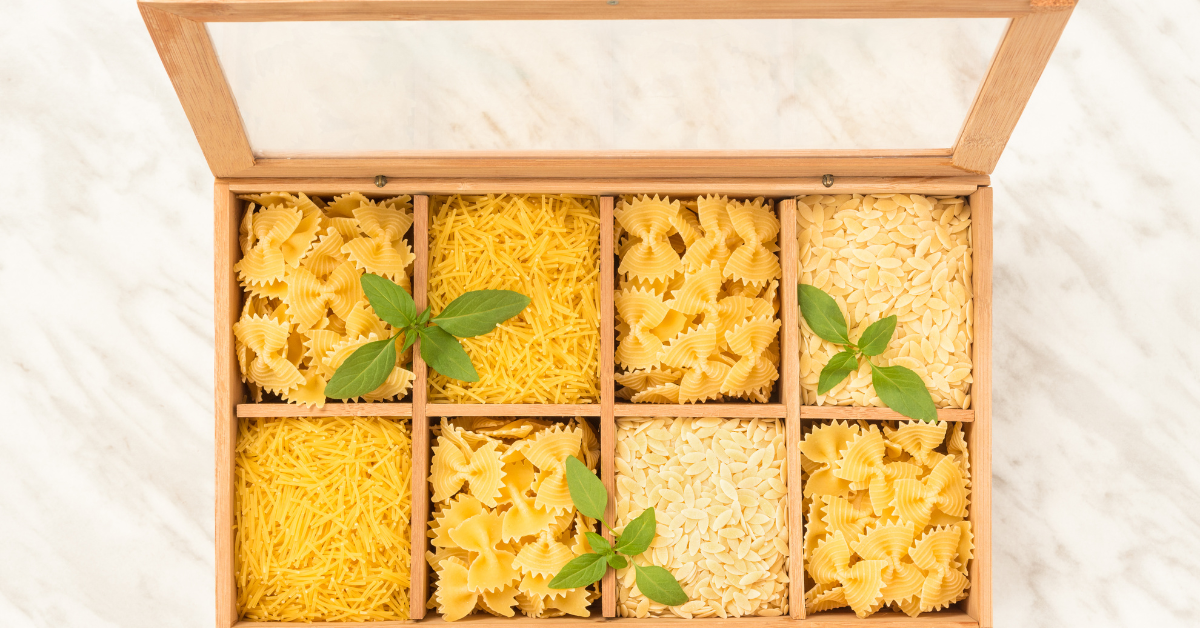
Even with careful preparation and monitoring, you might encounter a few challenges during the fresh pasta drying process. Understanding these common issues and their solutions will help ensure your dried pasta turns out perfectly for long-term storage.Addressing these problems proactively will save your pasta and prevent future mishaps, ensuring a successful drying outcome.
Mold Growth on Pasta
Mold is a sign that the pasta has not dried sufficiently or has been exposed to excessive moisture and humidity. It’s crucial to prevent mold as it can render the pasta unsafe for consumption.
To prevent mold:
- Ensure adequate air circulation around the pasta during drying.
- Maintain a low humidity environment in your drying space.
- Do not overcrowd the drying racks, allowing space between each piece of pasta.
- If you notice any signs of mold, discard the affected pasta immediately. It is not safe to try and salvage moldy pasta.
Pasta Breakage During Drying
Breakage can occur if the pasta is handled too roughly, if it becomes too brittle before it’s fully dried, or if it’s subjected to uneven drying.
To minimize breakage:
- Handle the pasta gently at all stages of the drying process.
- Avoid moving or stacking pasta that is still slightly pliable.
- Ensure consistent drying conditions to prevent areas from becoming overly dry and brittle while others remain moist.
- For delicate shapes, consider using thicker pasta dough or shorter drying times initially.
Uneven Drying
Uneven drying means some parts of the pasta are dry and hard, while other sections are still soft or slightly moist. This can lead to inconsistencies in texture and shelf life, and potentially mold if moist areas are stored.
To fix unevenly dried pasta:
- If the pasta is only slightly uneven and still somewhat pliable, you can gently re-arrange pieces on the drying rack to expose the moister areas to better airflow.
- For pasta that has some very dry, brittle pieces and some still soft pieces, you can attempt to rehydrate the dry pieces slightly by misting them with water and then allowing them to dry again alongside the softer pieces. This requires careful monitoring to avoid over-hydration.
- A more controlled method for significant unevenness is to separate the pasta into batches based on their dryness. Allow the wetter pieces to continue drying, and if the drier pieces are already sufficiently hard and brittle, remove them to storage.
- Consider placing the entire batch back into a controlled drying environment with consistent airflow and temperature for a short period, checking frequently until uniformity is achieved.
Closing Summary
By mastering the art of drying fresh pasta, you unlock a world of culinary convenience and flavor preservation. This comprehensive approach ensures your homemade pasta can be enjoyed for extended periods, transforming a delightful craft into a sustainable pantry resource. From understanding the core principles to troubleshooting common issues, this guide empowers you to confidently store and savor your pasta creations, bringing the taste of homemade goodness to your table whenever you desire.