Embarking on the culinary journey of crafting homemade pasta is a rewarding endeavor, and extending its enjoyment is now simpler than ever. This guide is designed to equip you with comprehensive knowledge on how to effectively freeze your delicious creations, ensuring that perfectly al dente pasta is always within reach for your future meals.
We will explore the essential considerations for freezing pasta at various stages, from its raw dough form to fully cooked dishes. Understanding the nuances of preparation, optimal freezing methods, proper packaging, and successful thawing will be central to preserving the quality and texture of your homemade pasta, allowing you to savor its fresh taste long after it’s made.
Understanding the Basics of Freezing Homemade Pasta
Freezing homemade pasta is an excellent way to preserve your culinary efforts and enjoy fresh, delicious pasta dishes at your convenience. Understanding the fundamental principles of this process ensures that your pasta retains its desirable texture and flavor when thawed and cooked. This section will guide you through the essential knowledge required for successful pasta freezing.The success of freezing homemade pasta hinges on several key factors, from the stage of the pasta itself to the ingredients used and the preparation methods.
By grasping these basics, you can confidently store your pasta without compromising its quality.
Optimal Stages of Pasta for Freezing
The stage at which you freeze your pasta significantly impacts its final texture and ease of handling. Each stage offers distinct advantages for preservation.
- Fresh Pasta: Freezing fresh pasta, immediately after shaping and before any drying, is ideal for delicate shapes like ravioli, tortellini, or fettuccine that you want to cook from frozen. This method requires careful handling to prevent sticking.
- Partially Dried Pasta: Allowing fresh pasta to air dry for a short period, typically 30 minutes to an hour, helps it firm up. This makes it less sticky and easier to handle for freezing, especially for longer strands or shapes. It reduces the risk of clumping.
- Fully Dried Pasta: While possible, freezing fully dried pasta is generally less beneficial than air-drying and then freezing. Fully dried pasta is already shelf-stable and can be stored at room temperature for extended periods. Freezing it may offer minimal additional benefit and could potentially alter its texture slightly upon thawing.
Key Ingredients and Their Impact on Freezing
The ingredients in your pasta dough play a crucial role in how well it freezes and thaws. Certain components can affect texture and integrity.The fundamental ingredients of most pasta doughs are flour and liquid, typically water or eggs. The type of flour and the inclusion of eggs are particularly influential.
- Flour Type: “00” flour, a finely milled Italian flour, is often preferred for its smooth texture and ability to create tender pasta. All-purpose flour can also be used, but may result in a slightly chewier texture. Durum wheat semolina is excellent for dried pasta but can be a bit tougher when frozen and rehydrated if not handled correctly.
- Eggs: Pasta made with eggs tends to be richer and more tender. Eggs contribute fat and protein, which can help the pasta maintain its structure during freezing and thawing. However, egg pasta can also be more delicate and prone to breakage if not handled with care.
- Water: Pasta made with water and flour is typically firmer and holds its shape well. This type of pasta is often favored for shapes that need to withstand longer cooking times or for freezing.
Common Mistakes to Avoid When Preparing Pasta for Freezing
Several common pitfalls can lead to less-than-ideal results when freezing homemade pasta. Being aware of these mistakes can help you achieve superior quality.Avoiding these errors ensures that your frozen pasta will cook up beautifully.
- Over-flouring: Using too much flour during the rolling and shaping process can make the pasta tough and dry, which will be exacerbated by freezing.
- Inadequate Drying (for fresh/partially dried): Freezing pasta that is too wet or sticky will result in large clumps that are difficult to separate and cook evenly.
- Improper Packaging: Not sealing the pasta airtight can lead to freezer burn, which affects both the texture and flavor of the pasta.
- Freezing Cooked Pasta: While some cooked pasta dishes can be frozen, freezing cooked pasta alone is generally not recommended. It tends to become mushy and lose its desirable al dente texture upon reheating.
- Not Flash Freezing: For delicate fresh pasta shapes, failing to flash freeze them individually on a tray before combining them in a bag can cause them to stick together into an unmanageable mass.
Ideal Texture of Pasta Before Freezing for Best Results
The texture of your pasta just before it enters the freezer is paramount to its successful preservation and subsequent cooking. Aiming for a specific consistency will yield the best outcomes.The pasta should feel firm but pliable, with a slight resistance to the touch.
- For fresh or partially dried pasta: The ideal texture is one where the pasta has firmed up enough to hold its shape without being brittle. It should feel slightly elastic and not sticky to the touch. If you press it gently, it should spring back slightly. This firmness prevents clumping and ensures individual pieces can be separated easily after freezing.
- For shapes like ravioli or tortellini: The filling should be fully enclosed, and the edges sealed securely. The pasta should feel firm to the touch, indicating that the dough has sufficiently adhered and will not leak its filling during the freezing process.
Methods for Freezing Fresh Pasta Dough
Freezing fresh pasta dough allows you to prepare your favorite homemade pasta ahead of time, ensuring a delicious meal is always within reach. This section delves into the various techniques for preserving your freshly made dough, maintaining its quality and texture for future use.Understanding how to properly freeze your pasta dough is crucial to prevent it from becoming dry, brittle, or developing off-flavors.
The goal is to protect the dough from air exposure and moisture loss, which are the primary culprits behind freezer burn.
Freezing Raw Pasta Dough
When freezing pasta dough in its raw, unfrozen state, the key is to minimize its exposure to air. This prevents the dough from drying out and becoming tough. Properly prepared and frozen raw dough can be a lifesaver for busy weeknights, allowing you to enjoy homemade pasta with minimal preparation time.The process involves ensuring the dough is as dry as possible before wrapping.
Excess moisture can lead to ice crystal formation, which can damage the dough’s structure upon thawing.
Portioning and Shaping Dough for Freezing
Before freezing, it’s beneficial to portion and shape your pasta dough into manageable sizes. This makes thawing and cooking more efficient. For most pasta shapes, dividing the dough into portions that can yield one or two servings is ideal. You can shape the dough into discs, logs, or even pre-form basic shapes like fettuccine or spaghetti if you plan to extrude it later.Consider the final pasta shape you intend to make when portioning.
For instance, if you’re making ravioli, you might want to divide the dough into portions suitable for a single batch of filled pasta.
Best Wrapping Techniques to Prevent Freezer Burn
Preventing freezer burn is paramount for maintaining the quality of your frozen pasta dough. This involves creating an airtight seal to shield the dough from the cold, dry air of the freezer.Here are effective wrapping techniques:
- Double Wrapping: Begin by tightly wrapping the portioned dough in plastic wrap. Ensure there are no air pockets. Then, place the plastic-wrapped dough into a heavy-duty freezer bag, squeezing out as much air as possible before sealing.
- Wax Paper and Freezer Bag: For very delicate doughs or if you’ve already shaped them into specific forms, you can first place them on a piece of wax paper, then fold the paper over the dough. This layer provides an initial barrier. Subsequently, place the wax-paper-wrapped dough into a freezer bag and remove excess air.
- Vacuum Sealing: If you have a vacuum sealer, this is an excellent method for removing all air and creating a truly airtight seal. This method is particularly effective for preserving the dough’s freshness.
Comparing Freezing Rolled Sheets Versus Extruded Shapes
Both rolled sheets and extruded pasta shapes can be frozen successfully, but each has slight advantages and considerations.
- Rolled Sheets: Freezing pasta dough as rolled sheets is versatile. You can freeze large sheets and then cut them into desired shapes after thawing, or freeze smaller portions that can be easily shaped into lasagna noodles or used for filled pastas. When freezing sheets, it’s advisable to lightly flour them and place a layer of parchment or wax paper between them if stacking multiple sheets to prevent sticking.
- Extruded Shapes: Freezing extruded shapes, such as spaghetti, fettuccine, or penne, is convenient as they are already in their final form. However, care must be taken to ensure they are well-separated before freezing to avoid clumping. Flash freezing individual strands on a baking sheet before transferring them to a freezer bag can help maintain their shape.
Step-by-Step Guide for Freezing Filled Pasta
Freezing filled pasta like ravioli or tortellini requires a bit more care to ensure the filling remains intact and the pasta doesn’t stick together.Here is a step-by-step guide:
- Prepare and Fill: Make your pasta dough and filling as usual. Assemble your ravioli or tortellini, ensuring the edges are well-sealed to prevent the filling from leaking out during cooking or freezing.
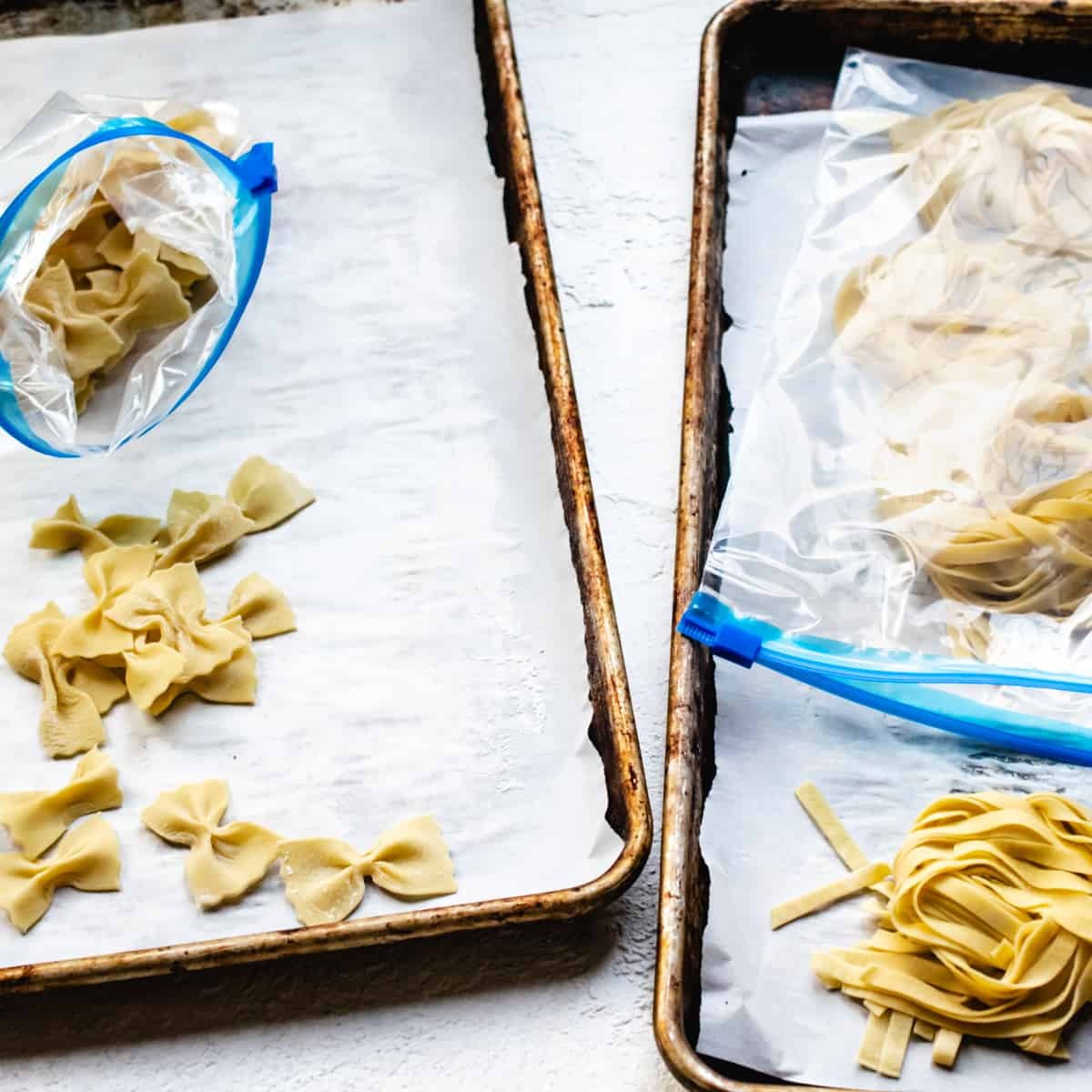
- Flash Freeze: Arrange the filled pasta pieces in a single layer on a baking sheet lined with parchment paper. Ensure there is space between each piece so they do not touch. Place the baking sheet in the freezer for 1-2 hours, or until the pasta is firm to the touch. This “flash freezing” step is crucial to prevent the pasta from sticking together.
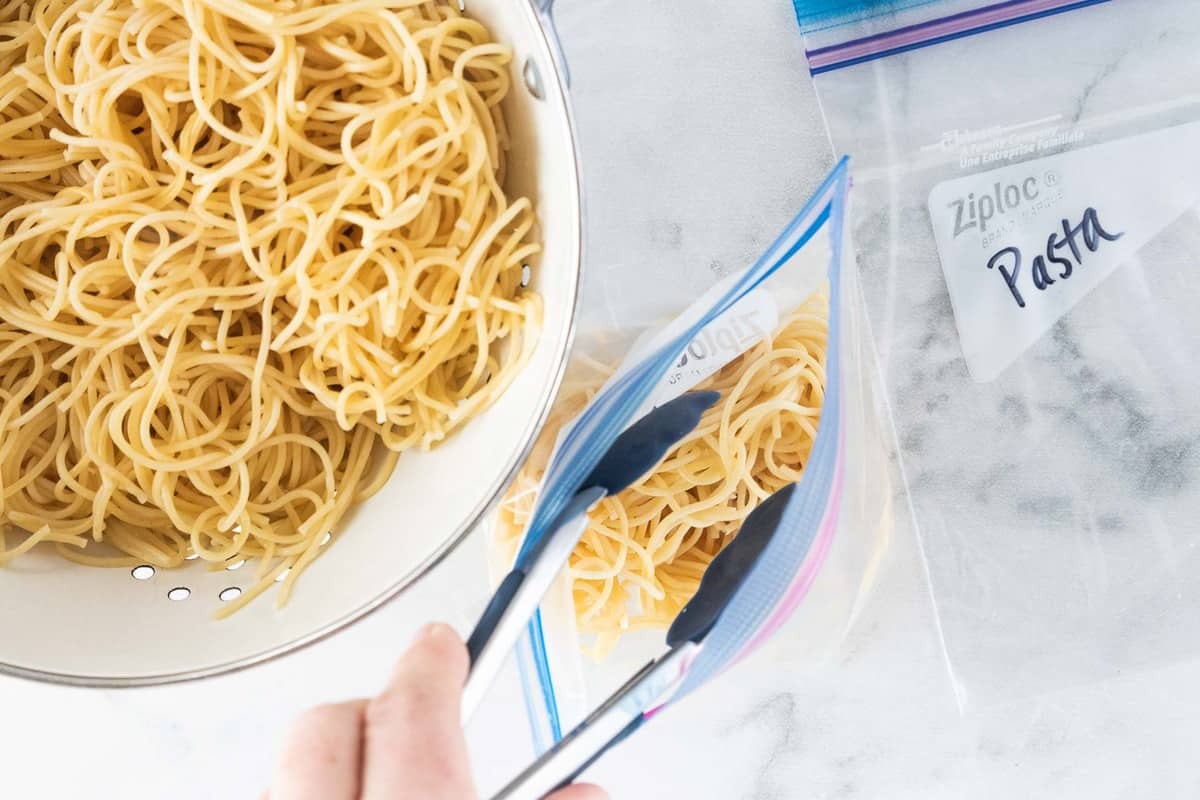
- Package for Storage: Once the filled pasta is frozen solid, carefully transfer the pieces into a heavy-duty freezer bag or an airtight freezer container.
- Remove Excess Air: Squeeze out as much air as possible from the freezer bag before sealing it. If using a container, ensure it has a tight-fitting lid.
- Label and Store: Label the bag or container with the type of pasta and the date it was frozen. Store in the freezer.
Freezing Cooked Pasta for Future Meals
Having successfully prepared and frozen your fresh pasta dough, you might also be interested in freezing already cooked pasta for even quicker meal preparation. This section will guide you through the best practices to ensure your cooked pasta remains delicious and easy to use when you’re short on time. Freezing cooked pasta requires a slightly different approach to prevent it from becoming a solid block or losing its texture.The key to successfully freezing cooked pasta lies in proper preparation before it even touches the freezer.
This involves cooling it thoroughly and employing a technique to prevent individual strands or pieces from sticking together. By following these steps, you can enjoy homemade pasta dishes with minimal effort on busy weeknights.
Flash-Freezing Cooked Pasta
To prevent cooked pasta from clumping into an unmanageable mass, flash-freezing is an essential technique. This involves freezing the pasta in a single layer on a baking sheet before transferring it to a storage container. This initial freezing allows each piece of pasta to harden individually, preventing them from sticking together once they are consolidated for long-term storage.The procedure for flash-freezing is as follows:
- Cook your pasta until it is al dente, ensuring it is not overcooked, as it will soften further upon reheating.
- Drain the pasta thoroughly, but do not rinse it with cold water unless the recipe specifically calls for it, as the starch helps the sauce adhere.
- Spread the drained pasta in a single, even layer on a baking sheet lined with parchment paper. Ensure there is no overlapping of pasta pieces.
- Place the baking sheet in the freezer for approximately 1 to 2 hours, or until the pasta is firm to the touch and frozen solid.
- Once flash-frozen, carefully transfer the individual pieces of pasta from the baking sheet into your chosen freezer-safe container or bag.
Proper Cooling of Cooked Pasta
Adequate cooling of cooked pasta before freezing is crucial for both food safety and texture preservation. Warm or hot pasta can create condensation within the freezer container, leading to ice crystals and a mushy texture. Allowing the pasta to cool to room temperature or slightly below ensures that the moisture content is minimized before it enters the cold environment of the freezer.The optimal cooling process involves:
- After draining the pasta, let it sit in the colander for a few minutes to allow excess steam to dissipate.
- Spread the pasta on a clean, dry surface or a baking sheet lined with parchment paper. This increases the surface area for faster and more even cooling.
- Allow the pasta to cool completely to room temperature. This typically takes about 30 to 60 minutes, depending on the ambient temperature and the quantity of pasta.
- Avoid covering the pasta while it is still warm, as this traps steam and hinders the cooling process.
Seasoning and Saucing Pasta Before Freezing
When considering whether to season and sauce pasta before freezing, it’s important to understand the impact on texture and flavor. Generally, it is best to freeze plain, cooked pasta and add sauce and seasonings after reheating. However, certain types of pasta dishes can be frozen with sauce, provided the sauce is not too watery or creamy, as these can alter the texture upon thawing and reheating.For dishes where freezing with sauce is appropriate:
- Ensure the sauce is thick and well-emulsified. Thin or watery sauces can lead to a separation of ingredients and a less appealing final product.
- Avoid adding delicate herbs or cheeses that may not hold up well to freezing and reheating. These are best added fresh after the pasta is thawed and heated.
- When saucing before freezing, ensure the pasta is thoroughly coated but not swimming in excess sauce. This helps to distribute the flavor evenly and prevents the pasta from becoming waterlogged.
- Consider the type of pasta. Heartier pasta shapes like penne or rigatoni tend to hold up better in sauces when frozen and reheated compared to delicate shapes like angel hair.
Optimal Portion Sizes for Freezing Cooked Pasta
Determining the right portion size for freezing cooked pasta is key to efficient meal planning and minimizing waste. Freezing in individual or family-sized portions allows you to thaw only what you need for a particular meal. This prevents the need to thaw a large batch and then refreeze any leftovers, which can compromise quality and safety.Best practices for portioning include:
- Consider the typical serving size for your household. A standard serving of cooked pasta is generally around 2 to 3 ounces (55 to 85 grams) per person.
- If you plan on serving the pasta as a main course, you might opt for slightly larger portions.
- If the pasta is intended as a side dish, smaller portions will suffice.
- For individual meals, consider using small freezer-safe containers or individual freezer bags to create single servings.
- For family meals, larger freezer-safe containers or bags can be used to portion out multiple servings.
Arranging Cooked Pasta in a Freezer-Safe Container
The visual arrangement of cooked pasta within its freezer-safe container significantly impacts its quality upon thawing and reheating. A well-arranged container ensures that the pasta remains separated and easy to portion out, preventing the formation of a solid, difficult-to-manage block. The goal is to pack the pasta efficiently while maintaining its integrity.A descriptive approach to arranging cooked pasta is as follows:Imagine a clean, dry freezer-safe container, such as a sturdy plastic container with a tight-fitting lid or a heavy-duty freezer bag.
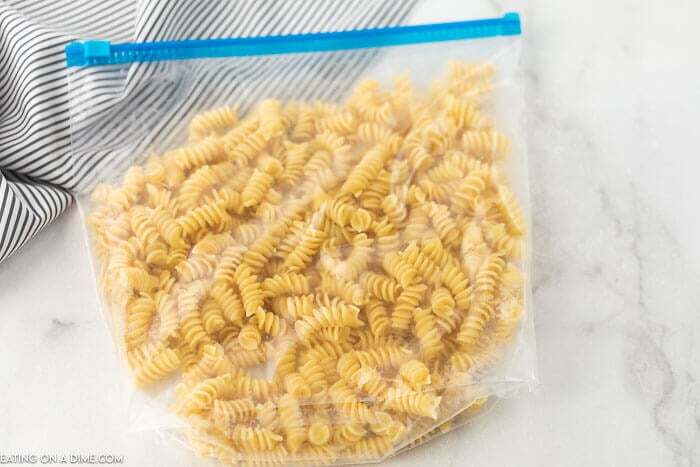
After flash-freezing your cooked pasta, you will have individual, firm pieces. Gently scoop these frozen pasta pieces into the container. Avoid simply dumping them in, as this can still lead to some clumping. Instead, distribute them evenly throughout the container. If using a bag, gently press out as much air as possible before sealing to prevent freezer burn.
If using a rigid container, you can arrange the pasta in layers, ensuring no significant gaps. The aim is to fill the container without overpacking, leaving a small amount of headspace to allow for expansion during freezing. The final appearance should be of loosely packed, individual pasta pieces, not a dense, solid mass.
Packaging and Storage for Extended Freshness
Proper packaging and storage are paramount to preserving the quality and extending the shelf life of your homemade pasta. By employing the right techniques and materials, you can ensure that your frozen pasta remains as delicious as the day you made it, ready for convenient meals whenever you desire. This section will guide you through the essential steps for optimal preservation.
Suitable Freezer-Safe Containers and Materials
Selecting the correct packaging is the first line of defense against freezer burn and moisture loss. These materials are designed to create a barrier that protects your pasta from the harsh freezer environment.
Essential materials for packaging homemade pasta include:
- Freezer Bags: Heavy-duty freezer bags, such as those made from thick, food-grade plastic, are excellent for individual portions or smaller batches. Ensure they are specifically designed for freezing to withstand low temperatures without becoming brittle.
- Airtight Containers: Reusable plastic or glass containers with tight-fitting lids are ideal for storing larger quantities or pasta shapes that might be more delicate. Glass containers are durable and do not absorb odors, but can be heavier and more prone to breakage if dropped.
- Plastic Wrap: High-quality plastic wrap can be used as an initial layer of protection, especially for individual servings or delicate pasta shapes like ravioli, before placing them in a freezer bag or container.
- Aluminum Foil: Heavy-duty aluminum foil can also serve as an additional protective layer, particularly when used in conjunction with other packaging methods.
Effective Vacuum Sealing Techniques for Pasta
Vacuum sealing is an exceptionally effective method for removing air from your pasta packaging, significantly reducing the risk of freezer burn and preserving freshness for longer periods. This process creates a tight seal that prevents oxidation and moisture transfer.
To effectively vacuum seal your homemade pasta, follow these steps:
- Prepare the Pasta: Ensure your pasta, whether fresh dough, shaped pasta, or cooked pasta, is completely dry and has been properly flash-frozen if necessary (as discussed in previous sections).
- Portion Appropriately: Divide the pasta into desired serving sizes. This makes it easier to thaw and use only what you need, preventing unnecessary thawing and refreezing.
- Place in Vacuum Seal Bag: Position the pasta in a high-quality, food-grade vacuum seal bag. Ensure there is enough space at the open end of the bag for the vacuum sealer to create a proper seal.
- Seal the Bag: Use your vacuum sealer according to the manufacturer’s instructions. The machine will remove the air from the bag and create an airtight seal. For delicate pasta shapes, you may want to use the “moist” setting or pulse the vacuum to avoid crushing the pasta.
- Inspect the Seal: After sealing, visually inspect the bag to ensure there are no leaks or gaps in the seal. A proper seal is crucial for maintaining freshness.
Labeling and Dating Frozen Pasta for Easy Identification
Clear and accurate labeling is essential for managing your frozen food inventory. It allows you to quickly identify the contents and determine the best time to use them, ensuring optimal flavor and quality.
Implementing a consistent labeling system is straightforward:
- Use a Permanent Marker: Employ a permanent marker that will not fade or smudge in the freezer.
- Record Contents: Clearly write down what the package contains. Be specific, for instance, “Homemade Fettuccine” or “Spinach Ravioli.”
- Note the Date: Record the date the pasta was frozen. This is crucial for tracking its storage duration. A simple format like “MM/DD/YY” or “Month DD, YYYY” works well.
- Add Preparation Method (Optional): For cooked pasta, you might also want to note how it was cooked (e.g., “Boiled al dente”) or any sauces or ingredients it contains.
- Consider Batch Numbers (Optional): For larger quantities or if you make pasta frequently, assigning a batch number can help with inventory management.
For example, a label might read: “Homemade Tagliatelle – 10/26/23” or “Ricotta Stuffed Shells – Nov 15, 2023”.
Optimal Freezer Temperature and Duration for Storing Homemade Pasta
Maintaining a consistent and sufficiently low temperature in your freezer is critical for inhibiting bacterial growth and preserving the texture and flavor of your frozen pasta. The duration for which pasta can be stored depends on its form and how it was packaged.
The ideal freezer temperature for long-term food storage, including homemade pasta, is 0°F (-18°C) or below.
Regarding storage duration:
- Fresh Pasta Dough: Properly packaged fresh pasta dough can be stored for up to 1 to 2 months.
- Shaped Fresh Pasta (Uncooked): Uncooked, shaped fresh pasta (like fettuccine, spaghetti, or ravioli) can maintain good quality for 2 to 3 months when vacuum-sealed or well-packaged in freezer bags.
- Cooked Pasta: Cooked pasta, especially when portioned and vacuum-sealed, can be stored for up to 2 to 3 months. Ensure it is cooled completely before freezing.
It is important to note that while pasta may remain safe to eat beyond these recommended times, its quality (texture and flavor) may gradually degrade. Always rely on your senses and the “best by” date you’ve labeled.
Essential Items for Proper Pasta Freezing
Having the right tools and supplies readily available will streamline the process of freezing your homemade pasta, ensuring it is done correctly and efficiently.
Gather these essential items before you begin:
- Freezer Bags: Various sizes of heavy-duty freezer bags.
- Airtight Containers: Reusable freezer-safe containers.
- Plastic Wrap: High-quality freezer-grade plastic wrap.
- Aluminum Foil: Heavy-duty aluminum foil.
- Vacuum Sealer and Bags (Optional but Recommended): For superior preservation.
- Permanent Marker: For clear labeling.
- Baking Sheets or Trays: For flash-freezing individual pasta pieces.
- Parchment Paper: To prevent sticking on baking sheets.
- Measuring Cups and Spoons: For portioning.
Thawing and Cooking Frozen Pasta
Freezing homemade pasta is a fantastic way to enjoy your culinary creations at your convenience. However, the key to preserving its delightful texture and flavor lies in proper thawing and cooking techniques. This section will guide you through the best practices for handling your frozen pasta, ensuring a delicious meal every time.
Thawing Methods for Frozen Pasta
The ideal thawing method depends on whether you are dealing with fresh pasta dough or pre-cooked pasta. For fresh pasta dough, it’s often best to cook it directly from frozen to prevent it from becoming too soft or sticky. If thawing is necessary, a slow thaw in the refrigerator is recommended. For cooked pasta, allowing it to thaw gradually in the refrigerator before reheating is generally the preferred approach to maintain its structure.
Cooking Pasta Directly from Frozen
Cooking pasta directly from a frozen state is a highly effective method, particularly for fresh pasta dough. This bypasses the thawing process, which can sometimes compromise the pasta’s texture. When cooking frozen pasta, you will typically need to increase the cooking time slightly to account for the frozen state.
Cooking Time Comparison: Fresh vs. Frozen Pasta
The cooking time for pasta directly from frozen will be marginally longer than for fresh pasta that has not been frozen. This difference is usually quite small, often just an additional minute or two. For example, fresh fettuccine might cook in 3-4 minutes from frozen, whereas unfrozen fresh fettuccine might cook in 2-3 minutes. It is always advisable to test a piece of pasta for doneness as it approaches the expected cooking time.
Handling Pasta Frozen for Extended Periods
Pasta that has been frozen for an extended period, especially several months, may show slight changes in texture. While still perfectly edible, it might be a bit softer or more prone to sticking. The key is to be gentle during the thawing and cooking process. If thawing, a slow refrigerator thaw is crucial. When cooking from frozen, keep a close eye on the cooking time, as it might cook slightly faster or absorb sauces differently.
Reviving the Texture of Thawed Pasta
Reviving the texture of thawed pasta before serving often involves a gentle reheating process. For cooked pasta, after thawing, you can reheat it in a skillet with a little bit of your sauce or a small amount of olive oil or butter. This helps to re-emulsify any separated starches and restore a more appealing texture. For fresh pasta dough that has been thawed, a brief period in boiling water, similar to cooking it fresh, is usually sufficient to bring it back to its ideal consistency.
For optimal texture, consider cooking fresh pasta dough directly from its frozen state. This minimizes the risk of it becoming overly soft or sticky.
Variations and Special Considerations
While the fundamental principles of freezing pasta remain consistent, certain variations in ingredients and types of pasta require specific approaches to ensure the best possible outcome. Understanding these nuances will help you preserve your homemade pasta with its intended texture and flavor for future enjoyment.This section delves into the unique aspects of freezing different kinds of homemade pasta, addressing common concerns and offering practical solutions.
We will explore how to handle gluten-free, egg-based, and alternative flour pastas, as well as tackle frequently asked questions to provide a comprehensive guide.
Freezing Gluten-Free Homemade Pasta
Gluten-free pasta can be more delicate and prone to textural changes after freezing compared to traditional wheat-based pasta. The absence of gluten, which provides elasticity and structure, means that alternative flours absorb moisture differently and may become mushy or break apart more easily when thawed. Careful handling during the freezing process is crucial.For gluten-free pasta, it is highly recommended to freeze it either partially cooked or fully cooked, rather than as raw dough.
Freezing raw gluten-free dough can lead to excessive moisture absorption and a gummy texture upon cooking. If freezing raw dough, ensure it is well-floured and handled minimally to prevent it from becoming sticky. Flash freezing individual pieces on a baking sheet before transferring them to a storage container is also beneficial.
Freezing Egg-Based Pasta Versus Egg-Free Pasta
The presence or absence of eggs in your pasta recipe can influence its freezing behavior. Egg-based pastas generally have a richer flavor and a slightly more tender texture, which can be maintained well through freezing. Egg-free pastas, often made with just flour and water, can sometimes be a bit firmer and may benefit from slightly longer cooking times after thawing.For both types, the key is to prevent excessive moisture loss or gain.
Egg-based pasta might be slightly more forgiving due to the fat content from the eggs, which can help maintain its structure. Egg-free pasta might require a bit more attention to ensure it doesn’t dry out during storage, so a good seal on the packaging is paramount.
Freezing Whole Wheat or Alternative Flour Pasta
Whole wheat flour and other alternative flours, such as those made from spelt, rye, or legumes, contribute distinct flavors and textures to pasta. These flours often contain more fiber and can absorb more liquid, which can impact how they behave after freezing.Whole wheat pasta may develop a slightly nuttier flavor and a chewier texture after freezing and reheating. Pastas made with alternative flours like chickpea or lentil flour can sometimes become softer or more prone to disintegration if not frozen properly.
Similar to gluten-free options, flash freezing individual pieces before bulk storage is a good practice for these types of pasta.
Potential Textural Changes in Different Pasta Types After Freezing
The primary textural change to anticipate in any homemade pasta after freezing is a slight alteration in firmness and a potential for increased tenderness or slight mushiness. This is due to the formation of ice crystals within the pasta’s structure, which can break down cell walls.
- Wheat-based pasta: Generally holds up well, with a potential for increased tenderness.
- Egg-based pasta: May become slightly softer but retains richness.
- Egg-free pasta: Can become slightly firmer or chewier.
- Gluten-free pasta: Most susceptible to becoming mushy or breaking apart.
- Whole wheat/Alternative flour pasta: May develop a chewier texture or become softer depending on the flour.
The degree of change is often related to the water content of the pasta and the efficiency of the freezing and thawing process. Minimizing air exposure and thawing correctly can significantly mitigate these changes.
Frequently Asked Questions About Freezing Pasta
Here are answers to common questions regarding the freezing of homemade pasta.
| Question | Answer |
|---|---|
| Can I freeze fresh pasta dough indefinitely? | While pasta dough can be frozen for extended periods, it’s best consumed within 1-2 months for optimal quality. Beyond this, the texture may begin to degrade. |
| Will my frozen pasta taste different? | The flavor profile of pasta is generally well-preserved during freezing. However, some subtle changes in texture are more common than significant flavor alterations. |
| Is it better to freeze pasta cooked or uncooked? | For most types of pasta, freezing it either lightly cooked (al dente) or fully cooked is recommended. Freezing raw dough can lead to a gummy texture once thawed and cooked. |
| How do I prevent my frozen pasta from sticking together? | Flash freezing is the most effective method. Spread individual pasta shapes or strands on a baking sheet lined with parchment paper and freeze until solid before transferring them to a freezer-safe bag or container. |
| What is the best way to thaw frozen pasta? | For cooked pasta, it’s often best to reheat it directly from frozen in a sauce or by briefly boiling it. For raw dough, thaw it in the refrigerator overnight before cooking. |
| Can I freeze filled pasta like ravioli or tortellini? | Yes, filled pastas freeze very well. Ensure they are well-formed and flash-frozen individually before packaging to prevent them from sticking together. Cook them directly from frozen. |
Ultimate Conclusion
Mastering the art of freezing homemade pasta unlocks a world of convenience and culinary freedom. By following these detailed steps, you can confidently store your pasta creations, ensuring they retain their delightful texture and flavor for future culinary adventures. Enjoy the satisfaction of having delicious, homemade pasta ready whenever inspiration strikes, transforming everyday meals into something truly special.