As How to Reheat Leftover Fresh Pasta takes center stage, this opening passage beckons readers into a world crafted with good knowledge, ensuring a reading experience that is both absorbing and distinctly original. We understand that enjoying delicious homemade pasta doesn’t have to end with the first serving; preserving that delightful texture and flavor for another meal is entirely achievable with the right approach.
This guide delves into the nuances of reheating fresh pasta, a delicate process that differs significantly from its dried counterpart. We will explore the common pitfalls that can lead to mushy or dry results and illuminate the techniques that will restore your pasta to its ideal, al dente perfection. From stovetop simmering to the thoughtful use of a skillet or microwave, we cover a range of methods designed to suit your needs and kitchen setup, ensuring your leftover fresh pasta is as enjoyable as the first time.
Understanding Fresh Pasta Reheating Challenges
Reheating fresh pasta presents a unique set of considerations that differ significantly from its dried counterpart. The delicate nature of fresh pasta, with its higher moisture content and less rigid structure, means it can easily lose its desirable texture if not handled with care. Understanding these challenges is the first step towards achieving perfectly reheated pasta that tastes almost as good as when it was first made.Unlike dried pasta, which is essentially dehydrated and can withstand higher temperatures and longer cooking times without disintegrating, fresh pasta is more akin to a tender dough.
Its inherent softness and moisture make it susceptible to overcooking, leading to a mushy, gummy, or even dissolved consistency. Conversely, if reheated improperly, it can become tough and dry, losing that signature silken bite.
Distinguishing Fresh from Dried Pasta Reheating Needs
The fundamental difference lies in the composition and preparation. Dried pasta is engineered for shelf stability through dehydration, resulting in a dense, starchy matrix. When rehydrated and cooked, it absorbs water and expands. Reheating dried pasta often involves simply reintroducing it to hot water to bring it back to serving temperature, with minimal risk of textural degradation. Fresh pasta, on the other hand, is made with eggs and flour, retaining a significant amount of moisture and a tender gluten structure.
This makes it far more sensitive to heat and cooking time.
Common Issues in Reheating Fresh Pasta
When reheating fresh pasta, several common pitfalls can arise, detracting from the overall dining experience. These issues are primarily related to the pasta’s moisture content and its delicate structure.
- Mushiness: This occurs when the pasta absorbs too much liquid or is subjected to excessive heat for too long. The gluten structure breaks down, leading to a soft, shapeless mass.
- Dryness and Toughness: If reheated with insufficient moisture or at too high a temperature for too short a time, the pasta can dry out, becoming leathery and unappetizing.
- Sticking Together: Fresh pasta, especially if not properly stored, can clump and stick, making it difficult to separate and serve evenly.
- Loss of Flavor: Overheating can sometimes diminish the subtle, nuanced flavors of fresh pasta, particularly if it has been sauced.
Ideal Texture Characteristics of Reheated Fresh Pasta
The goal when reheating fresh pasta is to restore it to a state that closely mimics its original texture. This means achieving a balance that is neither mushy nor tough.
The ideal reheated fresh pasta should possess a tender bite, a yielding yet discernible texture, and a pleasant mouthfeel, without any hint of gumminess or dryness.
This means the pasta should still have a slight resistance when bitten into (al dente), but without any toughness. It should be pliable and absorb sauce beautifully, indicating it has retained enough moisture and structural integrity. The individual strands or shapes should remain distinct, not melded into a single mass.
Optimal Reheating Methods for Fresh Pasta
Reheating fresh pasta requires a gentle approach to preserve its delicate texture and prevent it from becoming mushy or dry. Unlike dried pasta, fresh pasta has a higher moisture content and cooks more quickly, making the reheating method crucial for a delicious outcome. The goal is to warm the pasta through without overcooking it, ensuring it retains its desirable al dente bite.Several methods can be employed, each offering slightly different benefits depending on your available equipment and desired final dish.
Understanding these techniques will allow you to enjoy your leftover fresh pasta as if it were freshly made.
Stovetop Reheating with Boiling Water
This is often considered the most effective method for reheating plain fresh pasta, as it closely mimics the original cooking process and allows for precise temperature control. It is ideal for when you plan to add a fresh sauce or toss the pasta with other ingredients after reheating.Follow these steps for optimal results:
- Bring a pot of generously salted water to a rolling boil. Ensure the pot is large enough to accommodate the pasta without overcrowding.
- Carefully add the leftover fresh pasta to the boiling water.
- Gently stir the pasta to prevent it from sticking together.
- Reheat for a very short period, typically 30 seconds to 2 minutes, depending on the thickness of the pasta. Taste a piece to check for doneness; it should be heated through but still firm to the bite.
- Drain the pasta immediately using a colander.
- If serving with sauce, add the drained pasta directly to your warmed sauce and toss gently to coat.
The key here is speed. Over-reheating in boiling water will quickly turn fresh pasta into a mushy texture.
Skillet Reheating with Sauce
This method is excellent for reheating pasta that is already coated in sauce or when you want to integrate the pasta with a new sauce as it heats. It allows the pasta to absorb some of the sauce’s flavor while warming through.To reheat fresh pasta in a skillet with sauce:
- Pour your leftover pasta and sauce into a skillet over medium-low heat. If the sauce appears too thick, you can add a splash of water, broth, or pasta water to loosen it.
- Gently stir the pasta and sauce to ensure even heating.
- Allow the pasta to warm through, stirring occasionally, for about 3-5 minutes. Avoid high heat, which can cause the sauce to scorch and the pasta to overcook.
- Taste a piece of pasta to confirm it is heated through. The pasta should be tender but not soft.
- Continue to stir gently until the pasta is warmed to your liking.
This method is particularly effective for creamy sauces or those with small, finely chopped ingredients that can cling to the pasta.
Microwave Reheating Best Practices
While not always the preferred method for achieving the perfect texture, the microwave can be a convenient option for reheating fresh pasta, especially for single servings. To achieve the best results and avoid drying out the pasta, certain precautions are necessary.When reheating fresh pasta in the microwave:
- Place the pasta in a microwave-safe dish.
- Add a tablespoon or two of water, broth, or sauce to the dish. This moisture is crucial to prevent the pasta from becoming dry and rubbery.
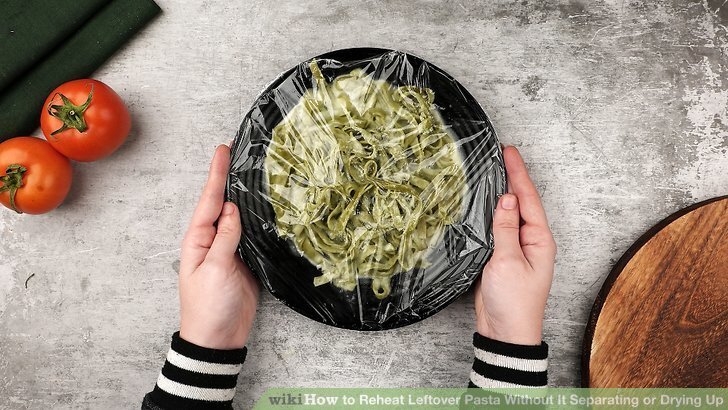
- Cover the dish loosely with a microwave-safe lid or plastic wrap, ensuring a small vent for steam to escape.
- Microwave on medium power (50-70%) in short intervals of 30-60 seconds.
- Stir the pasta between intervals to ensure even heating and prevent hot spots.
- Continue microwaving and stirring until the pasta is heated through. It is better to reheat in multiple short bursts than one long one.
“Moisture is your ally when microwaving fresh pasta.”
This approach helps to steam the pasta gently, maintaining its tenderness.
Oven Reheating Effectiveness
Reheating fresh pasta in the oven is generally most effective when the pasta is part of a larger baked dish, such as a lasagna, baked ziti, or a pasta bake. For plain, sauced pasta, this method can lead to drying out unless specific precautions are taken.For dishes where oven reheating is appropriate:
- Cover the dish tightly with aluminum foil. This traps steam and helps to keep the pasta moist during the reheating process.
- Preheat your oven to a moderate temperature, typically between 300°F and 350°F (150°C to 175°C).
- Place the covered dish in the preheated oven.
- Reheat until the dish is warmed through. The time will vary depending on the size and density of the dish, but generally, 15-25 minutes is a good starting point.
- If the top of the dish appears dry, you can remove the foil for the last few minutes of reheating to allow it to crisp up slightly, if desired.
For plain reheated pasta, oven reheating is less ideal as it can dry out the pasta’s edges and make the texture less appealing compared to stovetop methods. However, in a casserole context, the surrounding sauce and other ingredients help to protect the pasta.
Factors Influencing Reheating Success
Reheating leftover fresh pasta is not a one-size-fits-all endeavor. Several key factors significantly influence how well your pasta will retain its texture and flavor, ensuring a delightful second meal. Understanding these elements allows for a more precise approach to reheating, preventing common pitfalls like mushiness or dryness.The success of reheating fresh pasta hinges on a nuanced understanding of its characteristics and how they interact with heat.
From the physical dimensions of the pasta to the accompanying elements and its initial preparation, each aspect plays a crucial role in achieving optimal results.
Pasta Strand Thickness
The thickness of fresh pasta strands is a primary determinant of reheating time. Thicker strands require more time to heat through evenly without becoming overcooked on the exterior. Conversely, thinner strands, such as angel hair or delicate filled pastas, heat up very rapidly and are more susceptible to becoming mushy if subjected to prolonged heat.
Impact of Sauce and Ingredients
The presence of sauce or other ingredients on the pasta during reheating profoundly affects the outcome. Sauces, especially those with a higher fat or starch content, can help to insulate the pasta and prevent it from drying out. However, creamy or tomato-based sauces can also contribute to a softer texture if reheated too aggressively. Ingredients like vegetables or meats can also absorb moisture or release their own, altering the overall moisture balance of the dish.
It is often beneficial to gently toss the pasta with a small amount of additional liquid, such as water, broth, or a bit more sauce, before reheating to maintain moisture.
Original Cooking State of Pasta
The initial cooking state of the fresh pasta before it was leftover is a critical factor. Pasta that was originally cooked to a perfect al dente—firm to the bite—will reheat more successfully. It has a greater capacity to absorb heat and a little more moisture without becoming overly soft. Pasta that was already fully cooked or slightly overcooked before being stored will be more prone to turning mushy or disintegrating when reheated.
The goal is to bring the pasta back to a pleasant, tender texture without exceeding its structural integrity.
Reheating Time Comparison for Different Pasta Shapes
The shape and type of fresh pasta significantly influence the time it takes to reheat. This is due to variations in surface area, thickness, and density.Here is a comparison of approximate reheating times for common fresh pasta shapes, assuming gentle reheating methods like stovetop or oven:
- Fettuccine/Tagliatelle: These flat, medium-thickness strands typically require 3-5 minutes of gentle simmering in sauce or water, or 5-8 minutes in a moderate oven (around 350°F/175°C), often covered.
- Ravioli/Tortellini (filled pasta): Filled pastas, especially those with delicate dough, benefit from a very gentle reheat. Simmering in sauce or broth for 2-4 minutes is usually sufficient. Overheating can cause the filling to burst or the pasta to become waterlogged.
- Lasagna Sheets: Pre-cooked lasagna sheets (often used in leftovers) require longer reheating times as they are typically layered with sauce and cheese. Reheating in a moderate oven (350°F/175°C) for 15-25 minutes, covered, is common. If the lasagna is unfrozen, this time will be extended.
- Farfalle/Bowties: These have a denser center and thinner wings. Reheating in sauce for 4-6 minutes, or in the oven for 7-10 minutes, often works well, ensuring the center is heated through without the wings becoming too soft.
- Penne/Rigatoni (if fresh): If fresh, tube-shaped pastas will behave similarly to fettuccine but may take slightly longer to heat through due to their hollow center. Reheating in sauce for 5-7 minutes or in the oven for 8-12 minutes is a good starting point.
It is always advisable to start with the shorter end of the estimated reheating times and check for doneness, adding more time as needed.
Preserving Pasta Quality During Reheating
:max_bytes(150000):strip_icc()/reheat-leftover-pasta-2000-771790e230db4aa5be0c610f3490178c.jpg "How To Reheat Pasta | Easy Guide")
Reheating fresh pasta requires a delicate touch to ensure it retains its desirable texture and flavor. The goal is to gently warm the pasta through without compromising its integrity, preventing it from becoming a gummy or dry disappointment. This section offers practical advice to achieve optimal results.Fresh pasta, due to its higher moisture content and delicate structure, is more susceptible to textural changes during reheating compared to dried pasta.
Understanding these nuances is key to successful reheating.
Preventing Stickiness and Clumpiness
Sticky or clumpy pasta is often a result of the starch on the surface of the pasta coming into direct contact with heat and moisture without adequate separation. This can happen when pasta is overheated, or when insufficient liquid is used during the reheating process.To prevent fresh pasta from becoming sticky or clumpy when reheated, consider the following techniques:
- Gentle Warming: Avoid high heat, which can cause the starches to break down and fuse together. Opt for lower temperatures and shorter reheating times.
- Adequate Lubrication: A small amount of fat, such as olive oil or butter, or a light sauce can help coat the pasta strands, preventing them from adhering to each other.
- Stirring: Gently stir the pasta periodically during reheating to ensure even heat distribution and to separate the strands.
- Batch Reheating: If reheating a large quantity, it is often better to reheat in smaller batches to ensure more even and controlled warming.
Avoiding Overcooking During Reheating
Overcooking is a primary concern when reheating fresh pasta, as it can quickly transform from al dente to mushy. The pasta is already cooked, so the reheating process is merely about bringing it back to a palatable temperature.Techniques to avoid overcooking fresh pasta during the reheating process include:
- Mindful Timing: Fresh pasta reheats very quickly. Start with short intervals and check for doneness frequently.
- Lower Heat: As mentioned, lower heat is crucial. A gentle simmer or moderate microwave setting is preferable to a high-heat blast.
- Adding Moisture: Incorporating a little extra liquid (water, broth, or sauce) can help steam the pasta gently, promoting even warming without drying it out.
- Visual and Textural Cues: Observe the pasta. It should be heated through but still possess a slight bite. Avoid any signs of mushiness or extreme softness.
Common Mistakes to Avoid When Reheating Fresh Pasta
Being aware of common pitfalls can significantly improve your reheating success rate. Many of these mistakes stem from treating leftover fresh pasta as if it were dried pasta, or from rushing the process.Here is a list of common mistakes to avoid when reheating fresh pasta:
- Using excessively high heat, whether on the stovetop or in the microwave.
- Reheating for too long, leading to overcooked and mushy pasta.
- Not adding any moisture, which can result in dry and sticky pasta.
- Over-stirring or aggressively agitating the pasta, which can break delicate strands.
- Assuming all reheating methods are equal; different methods require different approaches.
- Reheating without a sauce or coating, increasing the risk of sticking.
Adding Moisture Back to Dry Reheated Pasta
If your fresh pasta has become dry after reheating, it’s often salvageable with a bit of careful intervention. The key is to reintroduce moisture gently to rehydrate the pasta without cooking it further.A guide on adding moisture back to dry reheated pasta:
- Assess the Dryness: Determine how dry the pasta is. If it’s slightly dry, a quick toss with a bit of liquid might suffice. If it’s quite dry and stiff, a more thorough steaming process may be needed.
- Add a Small Amount of Liquid: Start by adding a tablespoon or two of water, broth, or your intended sauce to the pasta.
- Gentle Stirring and Warming: Gently stir the pasta to distribute the liquid. Then, place it back in a pan over very low heat or in the microwave on a low setting for short intervals (30 seconds at a time).
- Steam Method: For more significant dryness, you can place the pasta in a colander set over a pot of simmering water. Cover the colander to trap the steam and allow the pasta to rehydrate for a few minutes.
- Sauce as a Hydrator: If you plan to serve the pasta with a sauce, incorporate the sauce early in the reheating process. The sauce itself will provide the necessary moisture.
- Be Patient: Reintroducing moisture takes time and gentle heat. Avoid the temptation to crank up the heat, as this will likely lead to overcooking.
Reheating Specific Fresh Pasta Types
Fresh pasta, with its delicate texture and often rich fillings, requires a nuanced approach to reheating to preserve its integrity. Different shapes and fillings respond best to specific methods, ensuring a delightful second serving without compromising quality. Understanding these distinctions is key to a successful reheating experience.The variety of fresh pasta shapes and fillings necessitates tailored reheating strategies. From the delicate pockets of ravioli to the layered structure of lasagna and the soft dumplings of gnocchi, each presents unique challenges and opportunities for optimal reheating.
Reheating Fresh Ravioli and Tortellini
For delicate filled pastas like ravioli and tortellini, gentle reheating methods are paramount to prevent them from bursting or becoming mushy. The primary goal is to warm the pasta and its filling through without overcooking the delicate dough.The most effective way to reheat fresh ravioli and tortellini is by gently submerging them in simmering, lightly salted water or directly into their accompanying sauce.
If using water, it should be brought to a gentle simmer, not a rolling boil, to avoid agitating the pasta too vigorously.
- Boiling Water Method: Carefully place the ravioli or tortellini into simmering water. Cook for approximately 2 to 4 minutes, or until they float to the surface and are heated through. Drain gently.
- Sauce Method: If the pasta is to be served with its original sauce, it can often be reheated directly in the sauce. Ensure the sauce is heated to a simmer first, then add the pasta and let it warm through for 2 to 4 minutes, stirring gently to coat.
When reheating ravioli and tortellini, it is crucial to be mindful of the filling. Overheating can cause delicate fillings like ricotta or spinach to become watery, while meat or cheese fillings can become dry. Always aim for just enough heat to make them palatable.
Reheating Fresh Lasagna and Cannelloni
Lasagna and cannelloni, being layered or rolled pasta dishes, require a method that ensures even heating throughout their structure. These dishes often contain moisture from sauces and cheese, which can aid in the reheating process if managed correctly.The oven is the optimal method for reheating fresh lasagna and cannelloni. This allows for gradual and even heat distribution, preventing the outer layers from drying out while ensuring the interior is thoroughly warmed.
- Oven Method: Preheat your oven to a moderate temperature, typically around 350°F (175°C). Cover the dish tightly with aluminum foil to trap steam and moisture, which is essential for preventing dryness. Bake for 20 to 30 minutes, or until the lasagna or cannelloni is heated through. For dishes with a cheesy topping, you can remove the foil for the last 5-10 minutes of baking to allow the cheese to melt and brown.
When reheating lasagna or cannelloni, it’s important to ensure the entire dish is heated. A common mistake is to only heat the center, leaving the edges lukewarm. Covering the dish is a critical step in retaining moisture and achieving a uniform temperature.
Reheating Fresh Gnocchi
Fresh gnocchi, essentially soft potato dumplings, are delicate and cook very quickly. Their reheating process should be swift to maintain their tender texture and prevent them from becoming dense or gummy.The best approach for reheating fresh gnocchi is a brief immersion in boiling water. This method quickly heats the gnocchi without overexposing them to heat, which can degrade their texture.
- Boiling Water Method: Bring a pot of lightly salted water to a rolling boil. Carefully add the fresh gnocchi. They are typically ready once they float to the surface, which usually takes only 1 to 2 minutes. Once they float, immediately remove them with a slotted spoon and drain thoroughly.
It is important to note that gnocchi should not be overcooked during reheating. Unlike dried pasta, fresh gnocchi can quickly turn from tender to heavy and unappetizing if left in the boiling water for too long.
Comparison of Reheating Methods for Various Fresh Pasta Fillings
The type of filling within fresh pasta significantly influences the best reheating method. Delicate fillings may require gentler heat, while heartier fillings can withstand slightly more robust approaches. The following table Artikels recommended methods based on common fresh pasta fillings.
| Pasta Type | Recommended Method | Key Considerations | Estimated Time |
|---|---|---|---|
| Ravioli (Cheese/Vegetable) | Boiling Water/Sauce | Gentle handling, avoid overcooking filling, ensure filling is heated through | 2-4 minutes |
| Ravioli (Meat/Seafood) | Boiling Water/Sauce | Ensure filling is thoroughly heated, avoid over-boiling | 3-5 minutes |
| Tortellini (Cheese/Vegetable) | Boiling Water/Sauce | Handle with care to prevent tearing, ensure even heating of filling | 2-4 minutes |
| Tortellini (Meat/Seafood) | Boiling Water/Sauce | Confirm filling is heated, avoid excessive agitation | 3-5 minutes |
| Lasagna | Oven | Cover to retain moisture, ensure even heating of all layers and filling | 20-30 minutes |
| Cannelloni | Oven | Cover to retain moisture, ensure filling is hot throughout | 20-30 minutes |
| Gnocchi (Potato/Ricotta) | Boiling Water | Cook until they float, then drain immediately; do not overcook | 1-2 minutes |
| Gnocchi (Vegetable Puree) | Boiling Water | Cook until they float, then drain; be mindful of texture | 1-2 minutes |
Enhancing Reheated Fresh Pasta Dishes
Reheating fresh pasta presents a wonderful opportunity to revive its delicate texture and flavor. However, to truly elevate a reheated dish from merely acceptable to delightfully delicious, a few thoughtful additions can make all the difference. This section explores how to infuse new life and zest into your leftover fresh pasta, transforming it into a vibrant and satisfying meal.Adding a touch of freshness and intensified flavor post-reheating is key to achieving a restaurant-quality experience at home.
These simple techniques not only mask any subtle changes in texture but also introduce complementary taste profiles that harmonize with the pasta.
Incorporating Fresh Herbs and Olive Oil
Fresh herbs and a good quality olive oil are indispensable allies in reviving reheated pasta. Their vibrant aromas and flavors can instantly brighten the dish, providing a sense of immediacy and freshness that might have been lost during the initial cooking and storage.
- Fresh Herbs: Finely chopped fresh herbs such as basil, parsley, chives, or cilantro can be stirred in just before serving. Basil offers a sweet, peppery note, while parsley provides a clean, herbaceous finish. Chives add a mild oniony flavor, and cilantro brings a distinctive citrusy zest. Experiment with different herbs based on the original pasta sauce or your personal preference.
- Drizzle of Olive Oil: A swirl of extra virgin olive oil, added immediately after reheating, coats the pasta strands, preventing them from sticking together and imparting a rich mouthfeel. It also carries and amplifies the flavors of the other ingredients. A high-quality, flavorful olive oil can significantly enhance the overall taste profile.
Adding Quick Sauces and Toppings
For a more substantial transformation, consider incorporating a quick sauce or a flavorful topping. These additions can completely redefine the dish, turning a simple reheat into a new culinary creation.
- Quick Sauces: A simple pan sauce can be made by deglazing the pan with a splash of white wine or broth, then whisking in a knob of butter, a squeeze of lemon juice, and some of the reserved pasta water. For a creamy touch, a spoonful of ricotta or mascarpone cheese can be stirred in. A pesto or a quick tomato passata can also be warmed and tossed with the reheated pasta.
- Flavorful Toppings: Toasted breadcrumbs offer a delightful textural contrast. Grated Parmesan or Pecorino Romano cheese adds a salty, umami depth. Toasted nuts like pine nuts or slivered almonds provide crunch and nutty notes. For a protein boost, consider adding quickly sautéed shrimp, chicken, or even a fried egg.
Salvaging Slightly Overcooked Reheated Pasta
Even with the best intentions, pasta can sometimes become a touch too soft during reheating. Fortunately, there are effective ways to rescue such dishes and make them enjoyable.
- Sauce Absorption: Overcooked pasta has a greater capacity to absorb sauce. Instead of just tossing it, allow the pasta to simmer gently in a flavorful sauce for a minute or two. This helps to redistribute moisture and meld the flavors, making the texture less noticeable.
- Textural Contrast: Introduce elements that provide a distinct textural contrast. Crispy elements like pan-fried breadcrumbs, toasted nuts, or even thinly sliced and quickly fried vegetables can distract from a softer pasta texture.
- Binding Agents: A well-emulsified sauce, perhaps with the addition of a bit of cheese or a touch of cream, can help bind the softened pasta strands together, giving the dish a more cohesive and appealing mouthfeel.
- Strategic Chopping: In some cases, if the pasta is significantly overcooked, it can be chopped into smaller pieces and incorporated into a dish like a pasta salad or a baked pasta casserole, where the individual strand texture is less critical.
Ultimate Conclusion
In conclusion, transforming leftover fresh pasta from a potentially disappointing remnant into a delightful encore is well within your reach. By understanding the unique challenges fresh pasta presents and employing the precise methods Artikeld, you can consistently achieve a wonderfully textured and flavorful meal. Remember to consider the pasta’s thickness, its original cooking state, and the presence of any sauces or fillings, and don’t hesitate to add a touch of freshness at the end to truly elevate your reheated dish.