How to Pair Different Pasta Shapes with the Right Sauce sets the stage for this enthralling narrative, offering readers a glimpse into a story that is rich in detail with formal and friendly language style and brimming with originality from the outset.
Embarking on a culinary journey to master the art of pasta and sauce pairing unlocks a world of delightful flavors and textures. Understanding the fundamental principles behind why certain shapes embrace specific sauces is key to elevating your home-cooked Italian meals from ordinary to extraordinary. This guide delves into the science and artistry of matching the perfect sauce to your chosen pasta, ensuring every bite is a harmonious symphony of taste.
Understanding the Fundamentals of Pasta and Sauce Pairing
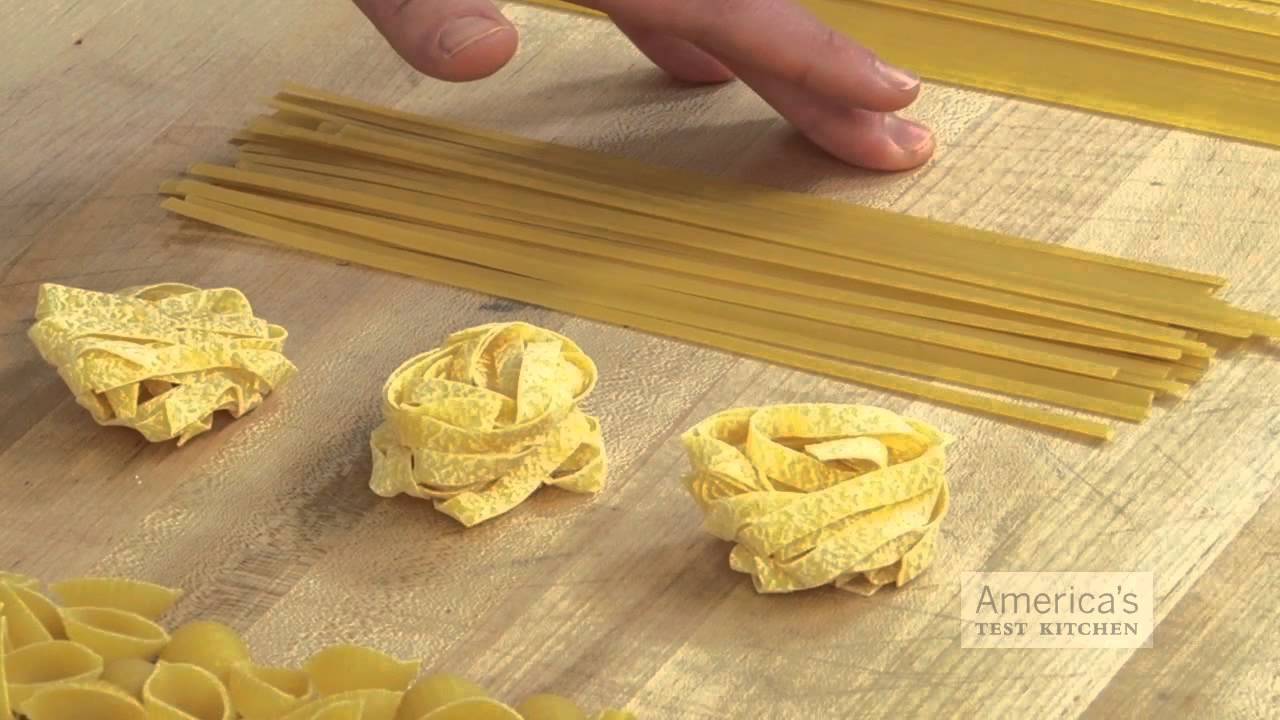
The art of pairing pasta shapes with sauces is more than just a matter of personal preference; it’s rooted in fundamental culinary principles that ensure a harmonious and enjoyable dining experience. By understanding these core concepts, you can elevate your pasta dishes from simple meals to sophisticated creations. These principles revolve around the physical characteristics of both the pasta and the sauce, dictating how they interact and complement each other.The success of any pasta and sauce combination hinges on the interplay between texture, surface area, and viscosity.
These elements work in concert to determine how well the sauce clings to the pasta, how the flavors are distributed with each bite, and the overall mouthfeel of the dish. Mastering these fundamentals will provide a solid foundation for exploring a vast array of delicious pairings.
Pasta Shape and Sauce Adherence
The design of a pasta shape is not arbitrary; it is engineered to interact with sauces in specific ways. The surface area, whether smooth or ridged, and the presence of hollows or crevices, all play a crucial role in how effectively a sauce can adhere. This adherence is paramount to ensuring that each bite delivers a balanced ratio of pasta to sauce, maximizing flavor and texture.
- Surface Texture: Smooth pasta shapes, such as spaghetti or linguine, are best suited for lighter, oil-based, or cream-based sauces that can coat the strands evenly without becoming too heavy. Ridged pasta shapes, like penne rigate or rigatoni, are designed with grooves that excel at trapping chunkier, thicker sauces, ensuring that pieces of meat, vegetables, or beans are captured and distributed throughout the dish.
- Cavities and Hollows: Tubular pasta shapes with large openings, such as bucatini or paccheri, can capture and hold sauces within their hollow centers, providing a delightful burst of flavor with every mouthful. Shell-shaped pasta, like conchiglie, are excellent for scooping up creamy or chunky sauces, with their concave surfaces acting as miniature bowls.
- Surface Area: Pasta shapes with a larger surface area, such as farfalle (bow-ties) or fusilli, offer more points of contact for sauce to cling to, making them ideal for sauces with small, finely chopped ingredients that can nestle into the nooks and crannies.
The Role of Sauce Viscosity
Sauce viscosity, or its thickness and flow, is a critical factor in determining its compatibility with different pasta types. A sauce that is too thin may slide off delicate pasta, while a sauce that is too thick can overwhelm delicate shapes. The ideal pairing ensures that the sauce coats the pasta beautifully, without being too runny or too pasty.
- Thin and Light Sauces: These sauces, often based on olive oil, light tomato, or simple broths, are best paired with thin, strand-like pastas such as capellini or vermicelli. The delicate nature of these pastas allows them to be fully coated without being weighed down.
- Medium-Bodied Sauces: Sauces with a moderate thickness, like a classic marinara or a pesto, work well with medium-sized pasta shapes that have some texture or cavities, such as fusilli, penne, or farfalle. These shapes provide enough surface area and nooks to hold the sauce effectively.
- Thick and Chunky Sauces: Hearty, robust sauces, such as a rich Bolognese, a ragu, or a sauce with large pieces of meat or vegetables, require pasta shapes that can stand up to their density. Large tubes, shells, or ridged shapes are ideal, as their structure can capture and support the substantial ingredients within the sauce.
Matching Sauce Weight and Richness to Pasta Shape
A fundamental concept in pasta and sauce pairing is to match the “weight” and richness of the sauce to the structure and size of the pasta. This principle ensures that neither element overpowers the other, creating a balanced and harmonious dish. Think of it as a culinary equilibrium.
“The pasta should be the vehicle for the sauce, not the other way around.”
- Delicate Pasta, Delicate Sauce: Light, thin pastas like angel hair (capellini) or thin spaghetti are best complemented by light, delicate sauces. These include simple olive oil and garlic preparations, light tomato sauces, or seafood-based sauces where the subtle flavors of the ingredients can shine without being masked.
- Sturdy Pasta, Hearty Sauce: Robust, thick, or chunky sauces, such as meat ragus, creamy Alfredo, or sauces with substantial vegetable components, require pasta shapes that can provide a substantial base. Larger, thicker pastas like rigatoni, paccheri, or pappardelle are excellent choices, as their size and texture can hold up to and absorb the richness of these heavier sauces.
- Textured Pasta, Sauces with Bits: Pasta shapes with ridges, twists, or hollows, such as fusilli, rotini, penne rigate, or bucatini, are perfect for sauces that contain small, distinct ingredients like peas, diced vegetables, or ground meat. The irregular surfaces of these pastas are adept at trapping these small pieces, ensuring an even distribution of flavor and texture in every bite.
Categorizing Pasta Shapes and Their Ideal Sauce Companions
Understanding the fundamental principles of pasta and sauce pairing is a great starting point. Now, let’s delve into the fascinating world of pasta shapes and discover how their unique forms dictate their perfect sauce partners. By categorizing pasta by its structural characteristics, we can unlock a deeper appreciation for why certain shapes excel with specific sauce consistencies, transforming a simple meal into a culinary masterpiece.
Long and Thin Pasta
Pasta shapes like spaghetti, linguine, and vermicelli are characterized by their slender, strand-like form. Their smooth surfaces and lack of significant nooks and crannies mean they are best suited for lighter, oil-based, or cream-based sauces that can evenly coat each strand without becoming overwhelming. Thicker, chunkier sauces tend to slide off, leaving the pasta underdressed.
Tubular Pasta
Pasta such as penne, rigatoni, ziti, and macaroni are defined by their hollow centers and often ridged exteriors. These tubular shapes are exceptional at capturing and holding sauces within their cavities and on their textured surfaces. This makes them ideal companions for heartier, more robust sauces, including chunky vegetable sauces, rich meat ragùs, and creamy baked dishes. The sauce gets trapped inside, ensuring every bite is flavorful.
Ribbon Pasta
Fettuccine, tagliatelle, and pappardelle fall into this category, featuring flat, wide strands. Their broad surface area allows them to generously embrace richer, creamier sauces, as well as meat-based ragùs. The wider the ribbon, the more substantial the sauce it can comfortably carry. Think of a thick Alfredo sauce clinging beautifully to fettuccine or a slow-cooked Bolognese embracing tagliatelle.
Small and Bite-Sized Pasta
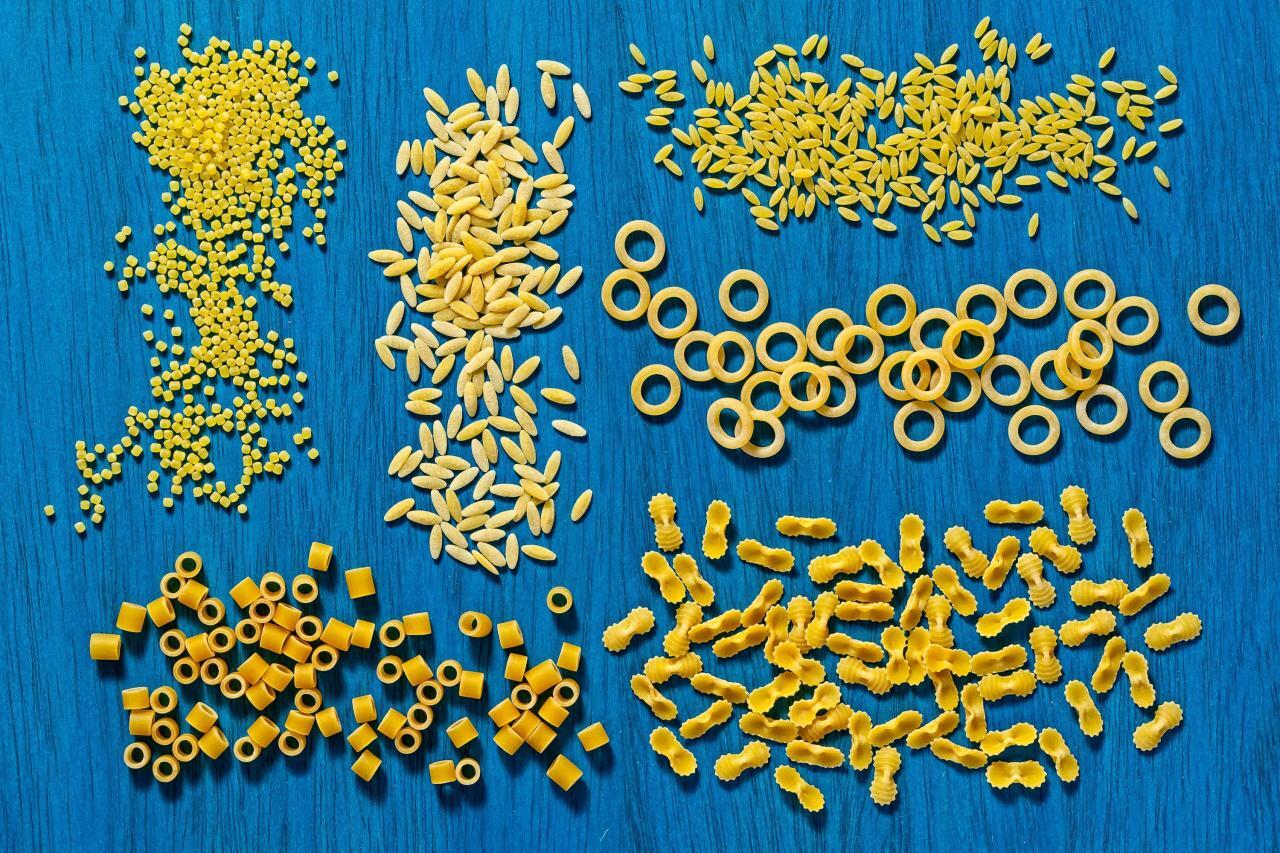
Orzo, ditalini, farfalle (bow-ties), and fusilli (spirals) are designed for easy consumption in a single bite. Their varied shapes, from tiny grains to twists and bows, offer interesting textures and are adept at trapping smaller ingredients from sauces. They pair wonderfully with lighter brothy sauces, minestrone-style soups, or pasta salads where the sauce needs to cling to multiple small pieces.
Farfalle, with its distinctive folds, is particularly good at holding small bits of vegetables or herbs.
Shell Pasta
Conchiglie (shells) and orecchiette (little ears) are shaped to scoop and hold. The concave nature of these pasta types makes them perfect for capturing chunkier ingredients and thicker sauces. Smaller shells are excellent for creamy or cheesy sauces with finely diced vegetables, while larger shells can accommodate more substantial ingredients like sausage or large pieces of seafood. Orecchiette, with its cup-like form, is traditionally paired with robust vegetable sauces, such as broccoli rabe and anchovies.
Filled Pasta
Ravioli, tortellini, and agnolotti are already brimming with delicious fillings, ranging from cheeses and meats to vegetables. The pasta itself acts as a vessel, so the sauce should complement, rather than overpower, the filling. Lighter butter-based sauces, simple tomato sauces, or a light cream sauce are often ideal. The goal is to enhance the flavor of the filling without masking it.
Pasta Shape and Sauce Pairing Table
The following table provides a quick reference for matching pasta shapes with appropriate sauce categories.
| Pasta Category | Structural Characteristics | Ideal Sauce Types | Examples of Pasta Shapes | Examples of Sauces |
|---|---|---|---|---|
| Long and Thin | Slender, smooth strands | Light oil-based, light cream, simple tomato | Spaghetti, Linguine, Vermicelli | Aglio e Olio, Carbonara (lighter version), Marinara |
| Tubular | Hollow center, often ridged | Hearty meat sauces, chunky vegetable sauces, baked casseroles | Penne, Rigatoni, Ziti, Macaroni | Bolognese, Arrabbiata, Baked Ziti |
| Ribbon | Flat, wide strands | Rich cream sauces, robust meat sauces | Fettuccine, Tagliatelle, Pappardelle | Alfredo, Bolognese, Creamy Mushroom |
| Small and Bite-Sized | Various small forms, some with texture | Brothy sauces, light vegetable sauces, pasta salads | Orzo, Ditalini, Farfalle, Fusilli | Minestrone, Pesto, Lemon-Herb Vinaigrette |
| Shell | Concave, scooping shape | Thick sauces with small ingredients, creamy sauces | Conchiglie, Orecchiette | Cheese sauce with peas, Broccoli Rabe Sauce |
| Filled | Enclosed pockets of filling | Complementary, light sauces that enhance filling | Ravioli, Tortellini, Agnolotti | Brown Butter Sage, Simple Tomato, Light Cream |
Structural Receptiveness to Sauce Consistencies
The physical attributes of each pasta category play a crucial role in how effectively they interact with different sauce consistencies.
- Long and Thin Pastas: Their smooth, continuous surface area allows lighter sauces to coat them evenly. Too heavy a sauce would clump or slide off.
- Tubular Pastas: The internal cavity acts as a natural reservoir for sauce, while ridges provide additional surface area for adherence. This makes them perfect for sauces with small solid components that can get trapped inside.
- Ribbon Pastas: Their broad, flat surface offers ample space for richer, thicker sauces to cling to. The wider the ribbon, the more sauce it can embrace.
- Small and Bite-Sized Pastas: The variety of shapes and their small size allow them to be easily mixed into sauces, with nooks and crannies capturing smaller ingredients and emulsified sauces.
- Shell Pastas: The cup-like shape is specifically designed to scoop and hold portions of sauce and its accompanying ingredients, ensuring a balanced bite.
- Filled Pastas: The filling is the star here. The pasta acts as a delicate wrapper, and the sauce should be chosen to enhance, not compete with, the flavors within.
Pairing Long and Strand Pasta with Sauces
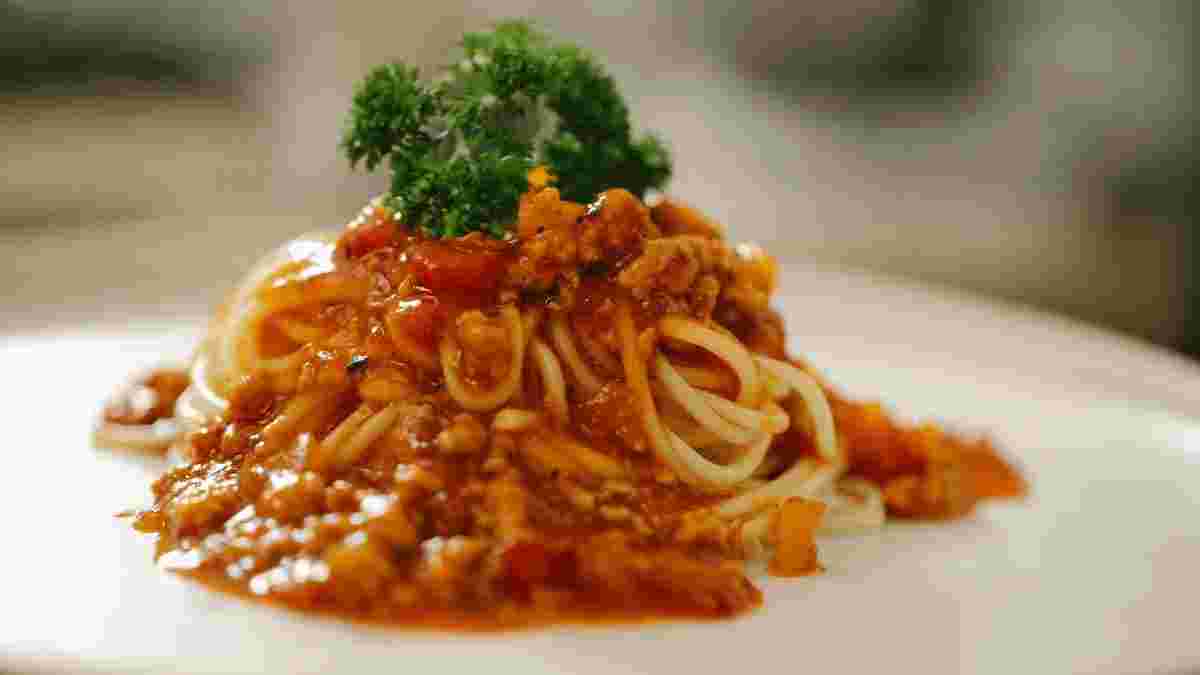
Long and strand pasta shapes, such as spaghetti, linguine, and fettuccine, offer a delightful canvas for a variety of sauces. Their elegant, elongated form is particularly adept at capturing lighter, more delicate flavors, allowing each strand to be coated evenly and delightfully. The key to a successful pairing lies in understanding how the sauce interacts with the pasta’s surface area and texture.The fundamental principle behind pairing sauces with long pasta is to ensure the sauce can adhere to the strands without overwhelming them.
Thin, oil-based sauces are often the ideal companions for these shapes. Their fluid nature allows them to flow easily and coat each strand of pasta, creating a harmonious bite where the pasta and sauce are perfectly integrated. This is in contrast to thicker, chunkier sauces, which can slide off delicate strands, leaving the pasta somewhat bare.
Sauce Adherence with Thin, Oil-Based Pairings
Thin, oil-based sauces excel with long pasta because they can evenly coat each individual strand. The surface tension of the oil helps the sauce cling, delivering flavor with every mouthful. This is particularly true for pasta shapes like spaghetti and linguine, which have a relatively smooth surface.Examples of classic pairings for long pasta shapes include:
- Spaghetti Aglio e Olio: This simple yet elegant dish features garlic, olive oil, and red pepper flakes. The olive oil forms a light coating that beautifully enhances the spaghetti.
- Linguine alle Vongole: Linguine, with its slightly flatter profile than spaghetti, is a perfect match for clam sauce. The delicate white wine and garlic-based sauce clings to the linguine strands, allowing the briny sweetness of the clams to shine.
- Spaghetti Carbonara: While creamy, the emulsified egg, Pecorino Romano cheese, and rendered guanciale create a silky sauce that coats spaghetti without being heavy. The key is the emulsification, which creates a smooth, clinging sauce.
Sauce Thickness for Heartier Strands
For pasta shapes like tagliatelle and pappardelle, which are wider and often have a rougher texture due to their making process (often fresh egg pasta), the importance of sauce thickness shifts. While they can still accommodate lighter sauces, their broader surface area and slightly more robust structure can handle richer, more substantial sauces that might overwhelm thinner strands.The thickness of the sauce is crucial for these wider strands:
- Tagliatelle with Bolognese: The rich, slow-cooked meat sauce of Bolognese has enough body to cling to the wider surface of tagliatelle, ensuring that each ribbon of pasta is generously coated with the savory ragu.
- Pappardelle with Wild Boar Ragù: The exceptionally wide ribbons of pappardelle are designed to stand up to hearty, rustic sauces. A slow-braised wild boar ragù, with its deep flavors and substantial texture, is a perfect example of a sauce that complements the generous nature of pappardelle.
- Fettuccine Alfredo: This classic Italian-American dish features a rich sauce made from butter, heavy cream, and Parmesan cheese. The creamy, thick sauce coats the fettuccine strands luxuriously, creating a decadent experience.
The texture and width of these longer pasta shapes play a significant role in how they interact with different sauce consistencies. Wider, flatter pasta like fettuccine and pappardelle offer more surface area for thicker sauces to adhere to, while thinner strands like spaghetti and linguine are best suited for lighter, oil-based or emulsified sauces that can evenly coat each strand.
Pairing Tubular and Hollow Pasta with Sauces
Tubular and hollow pasta shapes are wonderfully versatile and excel at embracing sauces, making them ideal for dishes where the sauce is a star. Their unique structure allows them to hold substantial amounts of sauce within their centers and catch ingredients in their ridges, delivering a delightful burst of flavor with every bite. This category of pasta is particularly well-suited for robust and hearty sauces that can cling to and fill these forms.The design of tubular and hollow pasta is engineered for optimal sauce adhesion.
The hollow interiors act like tiny vessels, scooping up sauces, while external ridges provide extra surface area for sauces to cling to. This dual action ensures that each piece of pasta is generously coated, leading to a more satisfying and flavorful eating experience.
Optimal Sauce Types for Tubular and Hollow Pasta
The versatility of tubular and hollow pasta shapes means they can be paired with a wide array of sauces, from creamy and rich to chunky and vegetable-laden. Their ability to capture and hold sauce makes them perfect candidates for sauces that might otherwise slide off smoother pasta shapes.The following sauce types are particularly well-suited for tubular and hollow pasta:
- Hearty meat sauces (e.g., Bolognese, Ragu)
- Creamy sauces (e.g., Alfredo, Carbonara)
- Vegetable-based sauces with small, diced ingredients (e.g., Primavera, Puttanesca)
- Baked pasta dishes (e.g., Baked Ziti, Macaroni and Cheese)
How Tubular and Hollow Pasta Capture Chunky and Hearty Sauces
The physical characteristics of tubular and hollow pasta are key to their exceptional sauce-holding capabilities. The hollow centers are designed to act as miniature cups, trapping generous portions of sauce. When combined with external ridges, this creates a perfect mechanism for capturing not just liquid sauces, but also small, solid ingredients that are often found in hearty preparations.Consider a classic Bolognese sauce.
The ground meat, finely diced vegetables like carrots and celery, and the rich tomato base are all effectively caught and held within the tubes of rigatoni or penne. This ensures that you get a balanced ratio of pasta to sauce and ingredients in every forkful, preventing the common issue of a sauce-heavy or pasta-heavy bite.
Ingredients Effectively Trapped by Tubular and Hollow Pasta
The structure of tubular and hollow pasta allows them to ingeniously trap a variety of ingredients, enhancing the overall texture and flavor profile of a dish. These ingredients are typically small enough to fit within the hollow centers or to nestle into the grooves of ridged pasta.A comprehensive list of ingredients that are effectively trapped by these pasta shapes includes:
- Small pieces of cooked meat (e.g., ground beef, lamb, sausage)
- Diced vegetables (e.g., peas, corn, finely chopped bell peppers, zucchini)
- Beans and legumes (e.g., cannellini beans, chickpeas)
- Herbs and spices that have been finely chopped
- Small cheese crumbles or grated hard cheeses
Sauce-Holding Capabilities of Smooth Versus Ridged Tubular Pasta
While both smooth and ridged tubular pasta shapes are excellent at holding sauce, there are subtle differences in their capabilities that can influence pairing choices. The presence or absence of ridges significantly impacts how well a sauce adheres to the exterior of the pasta.Ridged tubular pasta, such as rigatoni and penne rigate, offers a superior grip for sauces. The external grooves are specifically designed to catch and hold thicker, chunkier sauces.
These ridges create more surface area and physical barriers that prevent the sauce from sliding off.Smooth tubular pasta, like ziti and the smooth variety of penne (penne lisce), relies more on the internal cavity for sauce retention. These shapes are still very effective, particularly with smoother, more liquid-based sauces that can easily flow into and coat the interior. However, they may not hold onto very chunky or thick sauces as tenaciously as their ridged counterparts.
The ridges on pasta are not merely decorative; they are functional design elements that enhance sauce adhesion, particularly for heartier preparations.
Pairing Small and Shaped Pasta with Sauces
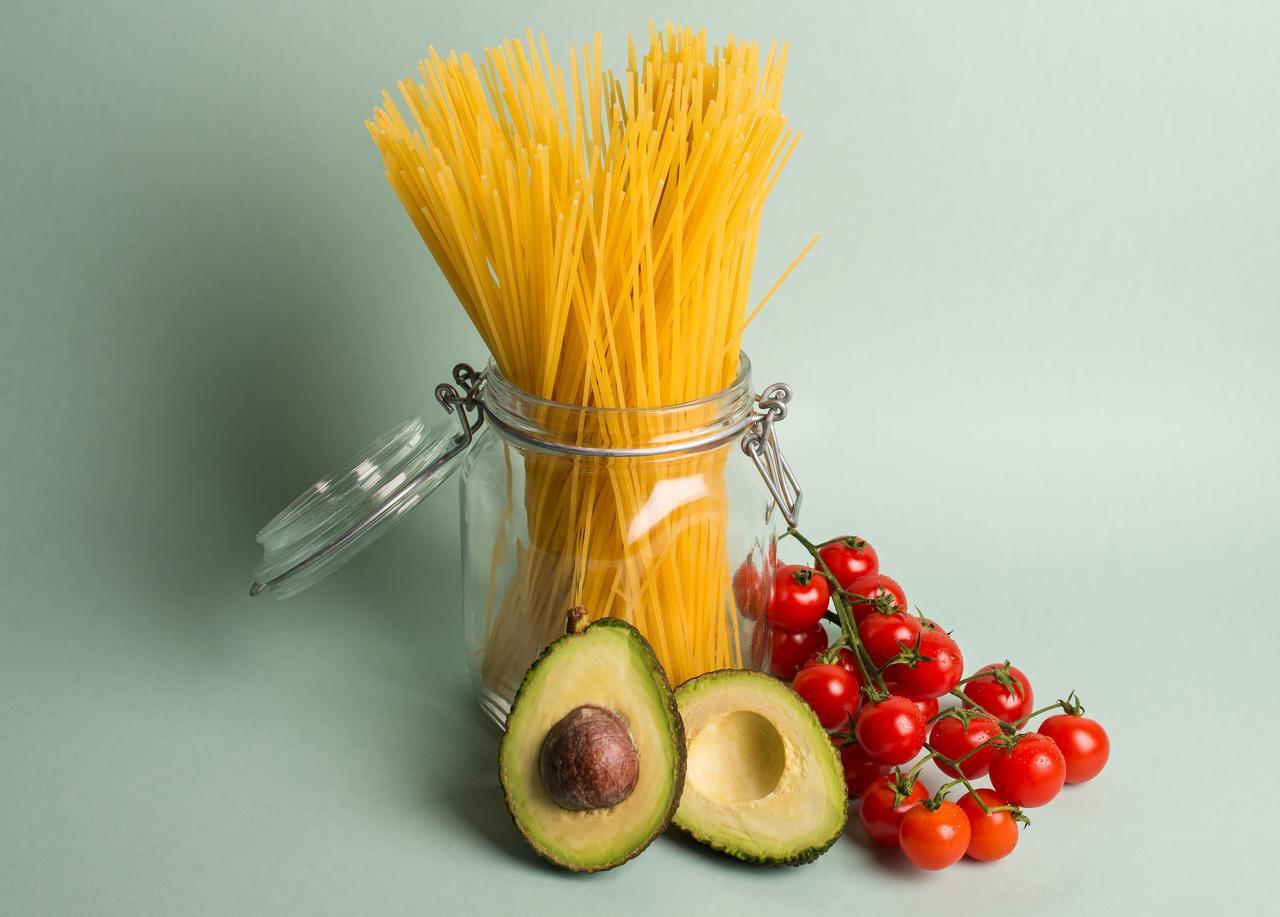
Small and shaped pasta varieties offer a delightful textural experience and are wonderfully adept at capturing and holding onto a variety of sauces. Their unique forms, from tiny pearls to intricate twists, are designed to interact with ingredients in specific ways, making them perfect canvases for lighter, more delicate sauces or those with small, finely chopped components. Understanding how these shapes function can elevate your pasta dishes from simple to spectacular.The beauty of small and shaped pasta lies in their ability to act as little vessels.
Their nooks, crannies, and curves are ideal for trapping ingredients, ensuring that every bite is packed with flavor. This makes them particularly well-suited for sauces that are not overly heavy or chunky, as they can easily become overwhelmed by a thick, robust sauce. Instead, these pasta shapes shine with lighter vinaigrettes, creamy emulsions, or sauces featuring finely diced vegetables or herbs.
Orzo, Farfalle, and Fusilli: Versatile Shapes for Flavorful Pairings
Orzo, resembling large grains of rice, and farfalle, commonly known as bow-tie pasta, are excellent choices for lighter, more ingredient-focused sauces. Their compact forms allow them to be easily mixed into salads or served with delicate broths and vegetable-based sauces. Fusilli, with its characteristic spiral shape, offers a more robust textural experience, capable of clinging to richer sauces while still providing interesting pockets for ingredients.When considering sauces for these shapes, think about the size of the other components.
For orzo, a light lemon-herb dressing, a simple tomato concassé, or a pilaf-style preparation with finely chopped vegetables and perhaps some toasted nuts works beautifully. Farfalle is equally versatile; it can be tossed with a vibrant pesto, a creamy primavera sauce, or even a light tuna or chicken salad preparation.
Creative Sauce Ideas for Bite-Sized Pasta
The smaller size of orzo and farfalle makes them ideal for dishes where the sauce and its accompanying ingredients are the stars. Consider a vibrant orzo salad with sun-dried tomatoes, Kalamata olives, feta cheese, and a lemon-oregano vinaigrette. For farfalle, a creamy lemon ricotta sauce with fresh peas and asparagus tips provides a delightful balance of richness and freshness.
The unique shapes of small and shaped pasta are not merely aesthetic; they are functional design elements that enhance sauce adhesion and ingredient distribution.
Fusilli’s twists and turns are particularly effective at distributing sauces like pesto or creamy sauces. The spirals create ample surface area for the sauce to coat, ensuring that every piece of pasta is generously covered. Imagine a fusilli pasta tossed with a vibrant basil pesto, where the oil and herbs cling to every groove, or a rich, velvety Alfredo sauce that gets perfectly emulsified within the pasta’s coils.
This interaction creates a more satisfying and flavorful eating experience compared to smoother pasta shapes.
The Spiral Advantage: Enhancing Pesto and Cream Sauces with Fusilli
Fusilli’s helical structure is a chef’s best friend when it comes to sauces that benefit from being “caught” and distributed. When tossed with a classic basil pesto, the oil-based sauce, flecked with pine nuts and Parmesan, finds its way into every twist and turn of the fusilli. This ensures that each mouthful delivers a concentrated burst of pesto flavor.Similarly, cream-based sauces, such as a decadent carbonara or a luxurious mushroom cream sauce, adhere exceptionally well to fusilli.
The sauce coats the pasta generously, and the spirals prevent it from simply sliding off. This means that the creamy richness is evenly distributed, creating a harmonious blend of pasta and sauce in every bite. The texture of the fusilli itself also provides a pleasant counterpoint to the smoothness of these richer sauces, adding another layer of enjoyment to the dish.
Pairing Filled Pasta with Sauces
Filled pasta, with its delightful pockets of flavor, presents a unique opportunity for sauce pairing. The key is to complement, not compete with, the delicious fillings. Whether it’s creamy ricotta, savory meat, or earthy vegetables, the sauce should enhance the overall taste experience.The inherent richness and distinct flavors within filled pastas often call for sauces that are equally thoughtful in their composition.
Delicate sauces are frequently the ideal choice, as they can highlight the nuanced tastes of the filling without overwhelming them. This approach allows the pasta’s core ingredients to shine, creating a harmonious and satisfying dish.
Sauce Accompaniments for Common Filled Pastas
Ravioli, tortellini, and agnolotti are beloved for their versatility and the diverse fillings they can hold. Each shape benefits from sauces that are chosen with their specific characteristics and common fillings in mind.
- Ravioli: These square or half-moon shaped pockets are incredibly adaptable. For cheese-filled ravioli, lighter sauces like a sage butter, a simple tomato basil, or a light cream sauce with herbs work beautifully. If the ravioli are filled with meat or vegetables, a slightly more robust sauce, such as a mushroom cream sauce or a mild marinara, can be appropriate.
- Tortellini: These ring-shaped pasta often contain a richer filling, traditionally meat or cheese. They are famously delicious in broths, like a classic tortellini en brodo. Cream-based sauces, such as Alfredo or a creamy pesto, also complement tortellini wonderfully. A light tomato sauce can also be a good option, especially for cheese-filled varieties.
- Agnolotti: Typically smaller and often crescent-shaped, agnolotti are traditionally filled with roasted meats. They pair exceptionally well with pan sauces that capture the essence of their fillings. A simple butter sauce with sage and a touch of the roasting juices from the meat is classic. A light meat-based broth or a delicate mushroom sauce can also be excellent choices.
The Rationale Behind Delicate Sauces for Filled Pasta
The philosophy of using delicate sauces with filled pasta stems from a desire to respect and elevate the inherent flavors of the filling. Overly aggressive or complex sauces can mask the subtle notes of cheese, herbs, or meats, leading to a less nuanced and enjoyable dish.
Delicate sauces act as a whisper, not a shout, allowing the exquisite fillings of pasta pockets to take center stage.
A simple yet flavorful sauce can be achieved through thoughtful ingredient selection and preparation. For instance, a brown butter sauce infused with fresh sage leaves offers a nutty aroma and a delicate herbaceousness that complements a wide range of fillings. Similarly, a light, fresh tomato sauce with minimal garlic and basil can provide brightness without overpowering delicate cheese fillings.
Comparing Sauce Pairings for Different Filled Pasta Contents
The nature of the filling within pasta plays a significant role in determining the ideal sauce. The contrast or harmony between the filling and the sauce is crucial for a well-balanced dish.
| Filling Type | Ideal Sauce Characteristics | Example Sauces |
|---|---|---|
| Cheese (e.g., Ricotta, Mozzarella, Parmesan) | Light, bright, herbaceous, or subtly creamy. The sauce should not be too acidic or rich. | Sage butter, light tomato basil, lemon-butter sauce, pesto, simple cream sauce. |
| Meat (e.g., Beef, Pork, Veal) | Slightly richer, savory, can incorporate tomato or mushroom elements. The sauce should complement the meat’s flavor profile. | Mild marinara, mushroom cream sauce, pan sauce with roasting juices, light ragu. |
| Vegetables (e.g., Spinach, Butternut Squash, Mushroom) | Can vary depending on the vegetable; often benefit from creamy, earthy, or bright sauces. | Brown butter with herbs, creamy mushroom sauce, light Alfredo, tomato cream sauce, garlic and olive oil with seasonal vegetables. |
Advanced Pairing Considerations and Creative Combinations
Beyond the fundamental guidelines, a deeper understanding of pasta and sauce pairing unlocks a world of culinary creativity. This section delves into the nuances of regional Italian traditions, explores less conventional yet delightful combinations, and highlights the critical role of textural interplay in elevating a dish from ordinary to extraordinary. By considering these advanced principles, you can move beyond basic rules to craft truly memorable pasta experiences.
Regional Italian Culinary Traditions and Pasta Pairings
Italian cuisine is a rich tapestry woven from diverse regional specialties, each with its own unique history, ingredients, and culinary philosophies. These traditions have profoundly shaped the way pasta and sauces are paired, often reflecting local produce, climate, and historical influences. Understanding these regional connections provides a powerful framework for authentic and inspired pairings.
- Northern Italy: Characterized by richer, creamier sauces, often featuring butter, cream, and hearty meats. Pasta shapes tend to be broader and designed to hold these substantial sauces. For example, Emilia-Romagna is famous for its egg-based pastas like tagliatelle and lasagne, which are perfectly suited to rich ragùs and béchamel.
- Central Italy: This region often showcases simpler, more ingredient-focused sauces. Olive oil is a staple, and vegetables, legumes, and cured meats play prominent roles. Think of the central Italian love for robust tomato sauces, pecorino cheese, and ingredients like wild boar or lamb, which pair beautifully with hand-made pastas like pici or strozzapreti.
- Southern Italy: Known for its vibrant, sun-kissed flavors, Southern Italian cuisine frequently features seafood, abundant vegetables like eggplant and peppers, and spicy elements. Lighter, more fluid sauces are common, designed to coat individual strands of pasta. Examples include Sicily’s pasta alla Norma, featuring eggplant and ricotta salata with spaghetti, or Campania’s classic spaghetti alle vongole (clams).
Unique and Less Common Pasta and Sauce Combinations
While classic pairings are a wonderful starting point, culinary exploration encourages venturing into less trodden paths. These unique combinations can surprise and delight the palate, often by playing with unexpected ingredient harmonies or by adapting traditional pairings to new contexts.
- Pappardelle with Duck Ragu: While pappardelle is often paired with rich beef or pork ragùs, its broad surface area and hearty texture also make it an excellent vehicle for a more gamey duck ragù. The richness of the duck is beautifully complemented by the substantial pasta.
- Orecchiette with Broccoli Rabe and Anchovy: This Puglian classic, though perhaps less common outside its region, is a perfect example of simple ingredients creating profound flavor. The slightly bitter broccoli rabe, the salty punch of anchovy, and the concave shape of orecchiette that cradles the sauce are a masterful combination.
- Bucatini with Spicy Sardine Sauce: Bucatini’s hollow center and satisfying chew make it ideal for capturing robust sauces. A sauce made with fresh sardines, chili flakes, garlic, and a touch of tomato can offer a delightful balance of richness and spice.
- Cavatelli with Saffron and Pistachios: Moving away from traditional tomato or cream bases, cavatelli’s slight chewiness can be enhanced by a delicate saffron-infused sauce, finished with the crunch and nutty flavor of toasted pistachios.
The Role of Texture Contrast in Engaging Dishes
The interplay of textures is as crucial as the harmony of flavors in creating a truly memorable pasta dish. Contrasting textures add depth, interest, and a more satisfying mouthfeel, preventing a dish from becoming monotonous.
- Smooth vs. Chunky: A smooth, velvety sauce clinging to a pasta with a slightly rough exterior (like a bronze-cut spaghetti) creates a pleasing contrast. Conversely, a chunky vegetable or meat sauce benefits from a pasta shape that can scoop and hold those larger pieces, such as rigatoni or fusilli.
- Chewy vs. Tender: The ideal pairing often involves a slight textural difference between the pasta and its sauce. For instance, a slightly al dente pasta will offer a pleasant chew against a tender, slow-cooked ragù.
- Crunchy Elements: Introducing a crunchy element, such as toasted breadcrumbs, nuts, or crispy fried herbs, can provide a delightful counterpoint to the soft pasta and sauce. This is particularly effective with lighter, more delicate sauces.
- Pasta Shape as Texture: The shape of the pasta itself contributes significantly to the textural experience. Ridged pastas (like penne rigate) offer more surface area for sauce adhesion and a more varied bite compared to smooth pastas. Hollow pastas trap sauce within, creating bursts of flavor and varying textures as you eat.
Pasta and Sauce Pairing Decision-Making Flowchart
To systematically approach pasta and sauce pairing, consider this decision-making process. This flowchart helps guide your choices based on the characteristics of both the pasta and the sauce, ensuring a harmonious and delicious outcome.
To visualize this process, imagine a branching diagram:
- Start: Identify Your Pasta Shape.
- Is it long and strand-like (e.g., spaghetti, linguine)? Proceed to step 2.
- Is it tubular or hollow (e.g., penne, rigatoni)? Proceed to step 3.
- Is it small and shaped (e.g., fusilli, farfalle)? Proceed to step 4.
- Is it filled pasta (e.g., ravioli, tortellini)? Proceed to step 5.
- Long and Strand Pasta Considerations:
- Is the sauce light and oil-based (e.g., aglio e olio)? Best with thin strands (spaghetti, angel hair).
- Is the sauce tomato-based and relatively smooth (e.g., marinara)? Suitable for medium strands (spaghetti, linguine).
- Is the sauce rich and creamy or a light ragù? Consider wider strands (fettuccine, tagliatelle).
If satisfied, proceed to “Finalize Pairing.” Otherwise, re-evaluate pasta or sauce.
- Tubular and Hollow Pasta Considerations:
- Is the sauce thick and chunky (e.g., meat ragù, hearty vegetable sauce)? Best with wide tubes with ridges (rigatoni, paccheri).
- Is the sauce smooth and creamy or a lighter tomato sauce? Suitable for medium tubes (penne, ziti).
- Is the sauce thin and brothy (e.g., soup pasta)? Consider small tubes (ditalini, tubetti).
If satisfied, proceed to “Finalize Pairing.” Otherwise, re-evaluate pasta or sauce.
- Small and Shaped Pasta Considerations:
- Does the sauce have small, distinct pieces (e.g., peas, diced vegetables)? Best with shapes that can capture them (fusilli, farfalle, rotini).
- Is the sauce creamy or a light pesto? Shapes with nooks and crannies work well (gemelli, radiatori).
- Is the sauce light and intended to coat evenly? Simple shapes like shells (conchiglie) or bow ties (farfalle) are good.
If satisfied, proceed to “Finalize Pairing.” Otherwise, re-evaluate pasta or sauce.
- Filled Pasta Considerations:
- Is the filling delicate and subtle (e.g., cheese, spinach)? Pair with a light, butter-based sauce, a simple sage butter, or a light cream sauce.
- Is the filling rich and robust (e.g., meat, mushroom)? A slightly richer sauce, perhaps a light tomato or a mushroom cream, can complement it. Avoid overpowering the filling.
If satisfied, proceed to “Finalize Pairing.” Otherwise, re-evaluate pasta or sauce.
- Finalize Pairing: Assess for textural contrast and overall flavor harmony. If the combination feels balanced and appealing, the pairing is successful.
Visualizing Successful Pasta and Sauce Pairings
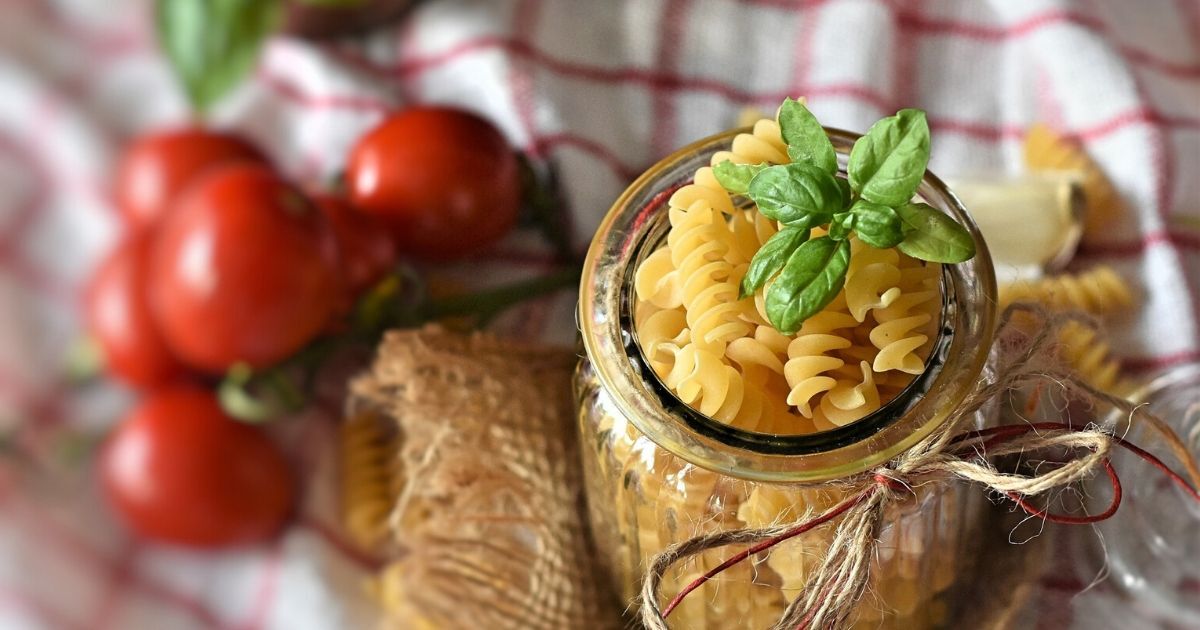
The art of pasta and sauce pairing extends beyond mere taste; it’s also about the visual harmony that makes a dish truly irresistible. A successful pairing is a feast for the eyes, where the pasta shape and sauce complement each other not just in texture and flavor, but also in their aesthetic presentation. When executed with care, the visual appeal can elevate the entire dining experience, hinting at the deliciousness to come.Understanding how different pasta shapes interact visually with various sauces allows us to appreciate the thoughtful design behind classic and creative dishes.
It’s about seeing the way the sauce clings, fills, and adorns the pasta, creating a cohesive and appetizing picture on the plate.
The Perfect Coat on Strands
A strand of spaghetti bathed in a light tomato sauce offers a quintessential image of Italian comfort food. The vibrant red sauce, often flecked with herbs like basil or oregano, evenly coats each individual strand. This coating is neither too heavy nor too sparse, allowing the pasta’s delicate texture to peek through while ensuring every bite is infused with flavor.
The visual is one of simple elegance, where the smooth, flowing lines of the spaghetti are highlighted by the glistening, uniform application of the sauce.
Ragu’s Embrace on Rigatoni
Rich, hearty ragu finds its perfect partner in rigatoni, a pasta shape designed for substantial sauces. The visual appeal here is one of abundance and texture. The thick, meaty ragu beautifully adheres to the exterior ridges of the rigatoni, creating a rustic and inviting look. More importantly, the hollow interior of the rigatoni acts as a vessel, capturing generous portions of the sauce and its savory ingredients.
This creates a visual promise of deep flavor and satisfying chew with every forkful.
Farfalle’s Delicate Embrace of Flavors
Farfalle, or bow-tie pasta, presents a charming visual when paired with sauces that incorporate small, distinct ingredients. The distinctive “wings” of the farfalle are adept at catching and holding tiny pieces of vegetables, herbs, or even finely diced meats. Imagine seeing bright green flecks of parsley, small diced red peppers, or tender peas nestled within the delicate folds of the pasta.
This creates a visually dynamic and colorful dish, where each bite offers a delightful surprise of textures and flavors held in place by the pasta’s unique shape.
Tortellini’s Elegant Presentation
The visual presentation of tortellini is often one of refined delicacy, especially when served in lighter preparations. When tortellini are nestled in a clear, fragrant broth, their plump, filled shapes are showcased beautifully, floating like little edible jewels. Alternatively, when bathed in a light cream sauce, the pasta appears elegantly coated, with the sauce clinging softly to its surface. This visual emphasizes the careful craftsmanship of the filled pasta, inviting diners to appreciate its subtle flavors and textures.
Final Summary
In essence, the journey of pairing pasta shapes with sauces is a rewarding exploration of culinary harmony. By understanding the interplay of texture, shape, and sauce consistency, you can confidently create dishes that are not only visually appealing but also deliver an exceptional gastronomic experience. Embrace these guidelines, experiment with creativity, and let each meal be a testament to the beautiful simplicity and profound depth of Italian cuisine.