How to Make a Deconstructed Lasagna with Fresh Pasta sets the stage for this enthralling narrative, offering readers a glimpse into a story that is rich in detail and brimming with originality from the outset.
Embark on a culinary adventure as we explore the art of creating a deconstructed lasagna, a modern twist on a beloved classic. This approach liberates the traditional layers, allowing each exquisite component to shine individually while harmonizing beautifully on the plate. We’ll delve into the unique appeal of this dish, identifying its core elements and highlighting the remarkable advantages it offers in terms of both preparation ease and stunning presentation.
Get ready to reimagine lasagna in a way that is both accessible and sophisticated.
Introduction to Deconstructed Lasagna
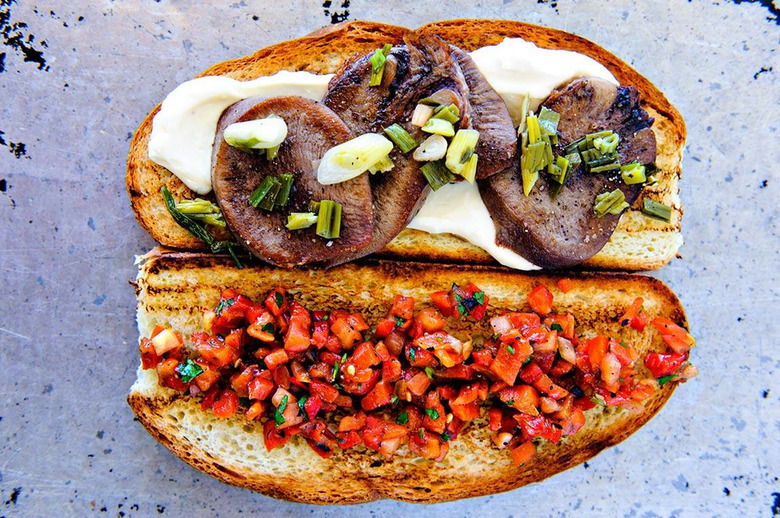
Deconstructed lasagna offers a delightful departure from the traditional layered pasta dish, presenting its beloved flavors and textures in a reimagined format. This approach allows for a more individualized and visually striking presentation, appealing to both the adventurous home cook and the discerning diner. Instead of the classic stacked structure, each element of the lasagna is prepared and presented separately, allowing the diner to combine them as they please or to appreciate each component in its own right.
This method emphasizes the quality of individual ingredients and can simplify the cooking process by eliminating the need for precise layering and lengthy baking times.The appeal of a deconstructed lasagna lies in its ability to highlight the distinct flavors and textures that define this classic Italian comfort food. It transforms a familiar dish into a modern culinary experience, offering a fresh perspective on beloved tastes.
This style of preparation is particularly advantageous for those seeking to control the balance of flavors and textures in their meal or for occasions where a more elegant presentation is desired.
Core Components of Deconstructed Lasagna
A deconstructed lasagna, at its heart, comprises the essential elements that constitute its traditional counterpart, but liberated from their layered confinement. These fundamental components are typically:
- Pasta: Freshly made pasta, often in the form of wide ribbons or squares, is a cornerstone. It can be cooked al dente and perhaps lightly pan-fried or toasted for added texture.
- Sauce: A rich, flavorful sauce, commonly a béchamel (white sauce) and a robust meat ragù or a vibrant tomato sauce, is crucial. These sauces are often presented in separate vessels or artfully drizzled.
- Cheese: Various cheeses, such as ricotta, mozzarella, and Parmesan, are integral. They might be whipped into a creamy element, melted and browned, or presented as a garnish.
- Proteins and Vegetables: Depending on the specific recipe, these can include seasoned ground meat, sautéed mushrooms, spinach, or other complementary ingredients, each prepared to showcase its individual character.
Advantages of Deconstructed Lasagna Preparation
The decision to prepare a deconstructed lasagna offers several compelling benefits, primarily centered around ease of execution and the potential for stunning visual appeal. This modern interpretation streamlines the cooking and serving process, making it an accessible and impressive option for various dining scenarios.The advantages of this culinary approach are evident in several key areas:
- Simplified Assembly: Unlike traditional lasagna, which requires careful layering and can be prone to structural issues, deconstructed versions eliminate this complexity. Each component is prepared independently, meaning there’s no need for precise stacking or concern about the dish collapsing. This significantly reduces the stress and time associated with assembly, making it ideal for busy cooks or for entertaining.
- Enhanced Presentation: The deconstructed format lends itself beautifully to artistic plating. Chefs and home cooks alike can arrange the individual components in visually appealing ways, creating a modern and sophisticated aesthetic. For instance, a swirl of béchamel can be artfully placed next to a portion of ragù, with perfectly cooked pasta nestled alongside dollops of ricotta and a sprinkle of Parmesan.
This allows for a customized and elegant dining experience that is often more striking than a standard slice of lasagna.
- Ingredient Focus: By separating the components, the distinct flavors and textures of each ingredient are allowed to shine. This method encourages the use of high-quality ingredients and allows diners to appreciate the nuances of the pasta, the richness of the sauce, and the creaminess of the cheese individually before combining them.
- Customization: This style of preparation inherently allows for greater customization. Diners can choose to combine the elements in their preferred ratios, ensuring a perfect bite every time. It also makes it easier to accommodate dietary preferences or restrictions by offering alternative components or allowing individuals to select what they wish to include.
Crafting Fresh Pasta for Deconstructed Lasagna

Creating your own fresh pasta is a rewarding endeavor that elevates any dish, and for a deconstructed lasagna, it’s the perfect foundation. The texture and flavor of homemade pasta are unparalleled, offering a delightful chew and a pure taste that store-bought varieties simply cannot match. This section will guide you through making a versatile fresh pasta dough and preparing it specifically for our deconstructed creation.The art of making fresh pasta lies in its simplicity and the quality of its ingredients.
A basic dough consists of flour and eggs, with optional additions like olive oil or a pinch of salt to enhance flavor and texture. The key is achieving the right consistency, which allows for easy handling and a superior final product.
Fresh Pasta Dough Recipe
This recipe yields a pliable yet firm dough, ideal for the various shapes and cooking methods required for a deconstructed lasagna. It is designed to be cooked al dente, providing a satisfying bite.A standard ratio for fresh pasta dough is approximately 100 grams of flour per large egg. For a batch suitable for 4-6 servings of deconstructed lasagna, we will use a slightly larger quantity.
Classic Fresh Pasta Dough Ingredients:
300 grams ’00’ flour (or all-purpose flour)
3 large eggs
1 tablespoon olive oil (optional, for added elasticity)
Pinch of salt (optional)
To prepare the dough, create a mound of flour on a clean, dry surface. Make a well in the center, large enough to hold the eggs. Crack the eggs into the well, add the olive oil and salt if using. Using a fork, gently whisk the eggs, gradually incorporating the flour from the inner walls of the well until a shaggy dough forms.
Once the mixture becomes too thick to whisk, begin to knead by hand. Push the dough away from you with the heel of your hand, then fold it back towards you. Continue this process for 8-10 minutes, until the dough is smooth, elastic, and springs back when gently pressed. If the dough feels too dry, lightly dampen your hands with water; if too sticky, dust your hands with a little more flour.
Wrap the dough tightly in plastic wrap and let it rest at room temperature for at least 30 minutes. This resting period allows the gluten to relax, making the dough easier to roll.
Shaping and Cutting Fresh Pasta Sheets
Once rested, the pasta dough is ready to be transformed into the components of your deconstructed lasagna. The goal is to create bite-sized pieces that will cook quickly and evenly, allowing each element of the lasagna to shine.There are several effective methods for shaping and cutting fresh pasta sheets. The choice often depends on the tools available and the desired aesthetic.
- Rolling and Cutting: After resting, divide the dough into manageable portions. Lightly flour your work surface and roll out each portion as thinly as possible using a rolling pin or a pasta machine. If using a pasta machine, start on the widest setting and gradually decrease the thickness, passing the dough through each setting multiple times until you reach your desired thinness.
For a deconstructed lasagna, aim for sheets that are approximately 1-1.5 mm thick. Once rolled, you can cut the sheets into various shapes. Rectangles, squares, or even irregular torn pieces work well. Use a sharp knife or a pizza cutter for clean cuts. For uniform pieces, you can fold the pasta sheet gently (without creasing it sharply) and then slice it into strips or squares.
- Hand-Shaping: For a more rustic and artisanal feel, you can forgo precise cutting. Tear small, irregular pieces from the rolled-out dough. This method adds a unique texture and visual appeal to the deconstructed dish, emphasizing the handmade quality.
- Using Cookie Cutters: Small, simple shapes like circles or squares can be achieved using mini cookie cutters. This adds a playful element and ensures uniformity, which can be appealing in a deconstructed presentation.
Ideal Thickness and Texture
The thickness of your fresh pasta is crucial for a successful deconstructed lasagna. Unlike traditional lasagna where thick sheets are boiled and layered, deconstructed versions benefit from thinner pasta that cooks rapidly and absorbs the surrounding flavors.A pasta sheet that is too thick will remain gummy or undercooked, disrupting the delicate balance of textures. Conversely, a sheet that is too thin might disintegrate too easily.
The sweet spot is between 1-1.5 mm. This thickness provides enough structure to hold its shape during cooking but is thin enough to cook through in the sauce and become tender. The texture should be pliable before cooking and offer a slight al dente bite after being briefly simmered or pan-fried. This ensures it complements the other components without becoming mushy.
Alternative Pasta Shapes for Deconstructed Lasagna
While flat sheets cut into pieces are common, several other pasta shapes lend themselves beautifully to a deconstructed lasagna. These shapes offer varied textures and can hold sauces in unique ways.When selecting alternative shapes, consider how they will interact with the other deconstructed elements. Shapes with nooks and crannies are excellent for capturing rich sauces, while smaller, more uniform shapes can be scattered throughout the dish.
- Farfalle (Bowties): The distinctive shape of farfalle, with its ruffled edges and pinched center, allows it to hold a variety of sauces. They offer a pleasing chew and visual interest.
- Orecchiette (Little Ears): These small, concave pasta shapes are perfect for scooping up bits of sauce and other ingredients. Their slightly chewy texture is a delight.
- Radiatori: The ruffled, fin-like shape of radiatori is designed to maximize sauce adherence, making them an excellent choice for a deconstructed dish where flavor absorption is key.
- Cavatelli: Similar to orecchiette but often elongated, cavatelli also provide a good surface area for sauce and a satisfying bite.
- Small Shells (Conchiglie): The natural cup shape of small shells is ideal for capturing small pieces of vegetables, cheese, or meat, contributing to the deconstructed experience.
Preparing the Deconstructed Lasagna Components
Crafting a deconstructed lasagna is an opportunity to elevate each individual element, allowing their distinct flavors and textures to shine. This section focuses on preparing the foundational sauces and complementary components that will bring your deconstructed masterpiece to life. By giving each part dedicated attention, you ensure a harmonious and satisfying dish that respects the spirit of traditional lasagna while embracing its modern interpretation.
Meat Sauce or Vegetarian Ragu Preparation
A robust and flavorful sauce is the heart of any lasagna, and in its deconstructed form, it becomes a star player. Whether you opt for a classic meat sauce or a hearty vegetarian ragu, the key lies in slow simmering to develop deep, complex flavors.
Meat Sauce
For a rich meat sauce, begin by browning a mixture of ground beef and pork, or your preferred meats, with finely diced onions, carrots, and celery (soffritto). Once the meat is well-browned and the vegetables are softened, deglaze the pan with red wine, allowing it to reduce and incorporate the savory fond. Add crushed San Marzano tomatoes, a bay leaf, a sprig of fresh rosemary, and a pinch of red pepper flakes for a subtle warmth.
Simmer gently for at least 1.5 to 2 hours, or until the sauce has thickened and the flavors have melded beautifully. Season generously with salt and freshly ground black pepper towards the end of cooking.
Vegetarian Ragu
A satisfying vegetarian ragu can be achieved using a medley of finely chopped mushrooms (such as cremini, shiitake, and portobello), lentils, and root vegetables like parsnips and carrots. Sauté the vegetables until tender, then add good quality vegetable broth, tomato paste, and a touch of balsamic vinegar for depth. Incorporate dried herbs like thyme and oregano, and simmer until the lentils are cooked and the sauce has a rich, stew-like consistency.
For an extra umami boost, consider adding a tablespoon of nutritional yeast or a dash of soy sauce.
Creamy Béchamel or Ricotta Cheese Mixture Creation
The creamy element in lasagna provides a luxurious counterpoint to the richer sauces. For a deconstructed approach, these components can be presented in various forms, from a velvety sauce to dollops of fresh cheese.
Béchamel Sauce
A classic béchamel starts with a roux made from equal parts butter and flour, cooked until lightly golden. Gradually whisk in warm milk, ensuring no lumps form. Continue to cook over medium heat, stirring constantly, until the sauce thickens to a coating consistency. Season with salt, white pepper, and a generous grating of fresh nutmeg for its distinctive aroma. For a richer béchamel, you can incorporate a touch of heavy cream at the end.
Ricotta Cheese Mixture
A lighter alternative is a whipped ricotta mixture. Combine whole milk ricotta cheese with a beaten egg, grated Parmesan cheese, and a pinch of salt and black pepper. For added freshness, stir in finely chopped fresh parsley or basil. Some chefs prefer to gently fold in a small amount of béchamel to create a lighter, airier texture.
Vibrant Tomato Sauce or Simple Marinara Preparation
While the ragu or meat sauce provides depth, a brighter tomato element can add a fresh, acidic contrast. This can be a simple, uncooked sauce or a lightly cooked marinara.
Simple Marinara
For a quick and vibrant marinara, sauté minced garlic in olive oil until fragrant. Add high-quality crushed tomatoes, a pinch of sugar to balance acidity, and fresh basil leaves. Simmer for about 15-20 minutes until slightly thickened. Season with salt and pepper to taste.
Uncooked Tomato Relish
A fresh, uncooked tomato relish can offer a burst of pure tomato flavor. Dice ripe, flavorful tomatoes (like heirloom or Roma), toss with finely chopped red onion, fresh basil, a drizzle of good olive oil, a splash of red wine vinegar, salt, and pepper. Allow it to macerate for at least 30 minutes before serving to meld the flavors.
Complementary Element Options
To further enhance the deconstructed lasagna experience, consider incorporating additional elements that add texture, flavor, and visual appeal.
- Roasted Vegetables: Seasonal vegetables such as zucchini, eggplant, bell peppers, or cherry tomatoes can be roasted until tender and slightly caramelized. This brings out their natural sweetness and adds a delightful chewiness.
- Herb-Infused Oil: A vibrant green oil made by blending fresh herbs like basil, parsley, and chives with olive oil and a pinch of salt can be drizzled over the finished dish for a burst of freshness and color.
- Caramelized Onions: Slowly cooked onions until deeply golden and sweet offer a rich, savory counterpoint to the other components.
Toasted or Prepared Breadcrumbs for a Crispy Topping
A crispy topping is essential for mimicking the satisfying crunch of traditional lasagna. Breadcrumbs, when prepared correctly, provide this delightful texture.
Toasted Panko Breadcrumbs
Panko breadcrumbs, with their larger, flakier texture, offer superior crispiness. Toss them in a skillet with a tablespoon of olive oil or melted butter over medium heat. Stir frequently until they are golden brown and toasted to perfection. Season with a pinch of salt and optional garlic powder or dried herbs.
Parmesan Breadcrumbs
For an extra layer of flavor, combine panko breadcrumbs with grated Parmesan cheese, a drizzle of olive oil, and your choice of herbs like oregano or thyme. Toast as described above until golden and fragrant.
The art of deconstructed lasagna lies in the thoughtful preparation and presentation of each component, allowing individual flavors to harmonize into a cohesive and delightful culinary experience.
Assembling and Presenting the Deconstructed Lasagna

The artful assembly and presentation of a deconstructed lasagna transform individual components into a cohesive and visually stunning culinary experience. This stage is where creativity meets technique, allowing the fresh pasta, rich sauces, and flavorful fillings to shine independently while harmonizing on the plate. A thoughtful arrangement not only appeals to the eye but also enhances the diner’s anticipation and enjoyment of the dish.This section guides you through the process of arranging each element to create a masterpiece that celebrates the essence of lasagna in a modern, sophisticated format.
We will explore strategies for plating that emphasize texture, color, and the inherent beauty of each ingredient.
Artful Arrangement of Deconstructed Lasagna Components
Organizing the deconstructed lasagna components on a plate requires a deliberate approach to balance visual appeal with ease of eating. The goal is to present each element in a way that is both striking and inviting, allowing diners to appreciate the distinct textures and flavors before combining them. Consider the plate as a canvas, where each ingredient plays a specific role in the overall composition.A well-arranged plate will guide the diner’s eye and palate through the dish.
Start by considering the base, then layer or place other elements strategically. Think about height, negative space, and the flow of the components.
Plating Techniques for Highlighting Individual Elements
Effective plating techniques are crucial for showcasing the individuality of each component in a deconstructed lasagna. This involves understanding how to place, stack, or spread elements to maximize their visual impact and textural appeal. The aim is to create a dynamic presentation that celebrates the quality of the ingredients and the care taken in their preparation.Here are some techniques to consider:
- Strategic Placement: Position key components like the fresh pasta sheets or quenelles of ricotta deliberately. For instance, a perfectly cooked pasta sheet can be placed as a central element, with other components arranged around it.
- Layering and Stacking: While deconstructed, subtle layering can still be employed. A small stack of perfectly formed pasta ribbons or a carefully placed dollop of béchamel can add dimension.
- Sauce as an Artful Drizzle or Pool: Instead of a heavy pour, consider using sauces as artistic drizzles across the plate or as elegant pools. A vibrant tomato sauce can create a striking contrast against lighter elements.
- Textural Contrast: Place elements with contrasting textures adjacent to each other to draw attention. For example, the smooth texture of ricotta against the slightly crisp edge of a baked pasta component.
- Negative Space: Do not overcrowd the plate. Ample negative space allows each component to breathe and be appreciated individually, contributing to a clean and sophisticated look.
Achieving a Visually Appealing Presentation
To create a visually appealing deconstructed lasagna, focus on color, texture, and the overall harmony of the dish. The fresh pasta, with its delicate hue, and the vibrant sauces are your primary visual assets. By employing thoughtful plating strategies, you can elevate the dish from a collection of ingredients to a work of art.Consider the following principles:
- Color Palette: Utilize the natural colors of your ingredients. The deep red of a rich tomato sauce, the creamy white of ricotta or béchamel, and the golden hue of perfectly cooked pasta create a visually appetizing spectrum.
- Texture Play: Arrange components to highlight their different textures. A smooth sauce, a tender pasta, and perhaps a slightly crispy element (like toasted breadcrumbs or a baked cheese topping) create visual and tactile interest.
- Height and Dimension: Introduce varying heights on the plate. A gently folded pasta sheet or a small mound of filling can add verticality, making the dish more dynamic.
- Cleanliness and Precision: Ensure all components are neatly presented. Wipe away any stray drips of sauce and ensure edges are clean for a professional finish.
Garnishes to Enhance Flavor and Aesthetics
Garnishes play a vital role in a deconstructed lasagna, acting as the finishing touches that elevate both the visual appeal and the flavor profile. They provide pops of color, intriguing textures, and complementary tastes that enhance the overall dining experience. Choosing the right garnish is as important as selecting the main ingredients.Here are some ideas for garnishes that add both flavor and aesthetic value:
- Fresh Herbs: Finely chopped fresh basil, parsley, or chives offer a burst of freshness and vibrant green color. A few whole basil leaves can also add an elegant touch.
- Toasted Nuts or Seeds: Toasted pine nuts, slivered almonds, or even toasted breadcrumbs can add a delightful crunch and nutty depth.
- A Drizzle of High-Quality Olive Oil: A swirl of extra virgin olive oil can add a sheen and a subtle fruity note.
- Microgreens: These delicate greens add a sophisticated visual appeal and a subtle peppery or earthy flavor.
- Shaved Parmesan or Pecorino Romano: A light dusting of freshly shaved hard cheese adds a salty, umami finish.
- A Touch of Red Pepper Flakes: For those who enjoy a hint of heat, a few carefully placed red pepper flakes can add visual intrigue and a gentle warmth.
Sample Serving Suggestion for a Single Portion
Creating a single-portion serving suggestion for deconstructed lasagna involves a thoughtful placement of each element to create a balanced and visually appealing composition. This example aims to showcase the freshness of the pasta, the richness of the sauces, and the savory fillings in a harmonious arrangement.Imagine a slightly warmed, shallow, wide-rimmed plate.
- Base Layer: Begin by placing a generous pool of the rich tomato ragu slightly off-center on one side of the plate. This forms a vibrant foundation.
- Pasta Placement: Gently drape or fold one or two pieces of the fresh, tender pasta sheets over a portion of the tomato ragu, allowing them to cascade slightly.
- Ricotta Element: To the other side of the plate, place a neat quenelle or a dollop of the creamy ricotta mixture. If using béchamel, a small, elegant swirl next to the ricotta would work well.
- Savory Fillings: Scatter a few pieces of the sautéed mushrooms or a small portion of the ground meat filling around the plate, strategically placing them to add visual interest and textural variation.
- Sauce Accents: Drizzle a smaller amount of the béchamel sauce (if not used as a dollop) in a thin stream over the pasta and ricotta, or add a few delicate dots of the tomato ragu around the plate for visual continuity.
- Garnish: Finish with a sprinkle of finely chopped fresh basil over the tomato ragu and a few toasted pine nuts scattered near the ricotta. A final light drizzle of high-quality olive oil can add a lustrous finish.
This arrangement ensures that each component is visible and accessible, inviting the diner to experience the flavors and textures individually before combining them for a delightful bite.
Variations and Customizations

The beauty of a deconstructed lasagna lies in its inherent flexibility, allowing for endless creative interpretations. This approach liberates you from traditional layering, opening up a world of possibilities for personalizing flavors, textures, and dietary needs. By understanding the core components, you can easily adapt this dish to suit your preferences or any occasion.This section explores various avenues for customization, from the essential cheeses and proteins to the seasonal bounty of vegetables and the foundational sauces.
We will also delve into crafting distinct flavor profiles that can elevate your deconstructed lasagna experience.
Cheese Adaptations
The choice of cheese significantly influences the richness and flavor profile of any lasagna, and its deconstructed counterpart is no exception. Experimenting with different cheese combinations can transform the dish from comforting and familiar to exciting and nuanced.Here are some popular and effective cheese variations to consider:
- Ricotta Variations: Beyond plain ricotta, consider blending it with a touch of goat cheese for a tangy, creamy element, or incorporating finely grated Parmesan for added depth. A sprinkle of fresh herbs like basil or parsley can also brighten the ricotta.
- Mozzarella Alternatives: While fresh mozzarella is classic, explore smoked mozzarella for a subtle smoky undertone. For a sharper bite, consider a blend of provolone and mozzarella. For a richer, meltier experience, buffalo mozzarella offers a luxurious texture.
- Hard Cheese Enhancements: Pecorino Romano can be used in place of or in addition to Parmesan for a saltier, sharper flavor. A touch of aged Asiago can also add a delightful nuttiness.
- Blue Cheese Accents: For the adventurous palate, a small amount of crumbled Gorgonzola or other blue cheese can add a bold, pungent counterpoint to the other ingredients. Use sparingly to avoid overpowering the dish.
Protein Options
Introducing diverse protein sources is a straightforward way to adapt the deconstructed lasagna to various dietary preferences and to create a more substantial meal. Each protein brings its own unique texture and flavor, which can be harmonized with the other components.Consider these protein options for your deconstructed lasagna:
- Chicken: Shredded rotisserie chicken offers convenience and a mild flavor that pairs well with most sauces. Diced grilled chicken breast provides a firmer texture and a slightly smoky char. Chicken sausage, crumbled and browned, adds a savory depth.
- Sausage: Italian sausage, both mild and spicy, is a classic choice. Remove the casings and crumble it for easy integration. For a different flavor profile, consider chorizo for a smoky, paprika-infused kick, or a plant-based sausage alternative.
- Plant-Based Alternatives: Lentils, particularly brown or green varieties, can be simmered and seasoned to mimic the texture of ground meat. Crumbled firm or extra-firm tofu, sautéed with Italian herbs and a touch of soy sauce or tamari, makes an excellent substitute. Plant-based ground “meat” alternatives, seasoned to your liking, are also readily available and can be used similarly to traditional ground meat.
- Seafood: For a lighter, elegant variation, consider flaked cooked salmon or pan-seared shrimp. These can be gently folded into the components just before serving.
Seasonal Vegetable Incorporations
Leveraging seasonal vegetables not only ensures the freshest flavors but also adds vibrant color and diverse textures to your deconstructed lasagna. The adaptability of this dish makes it a perfect canvas for highlighting the best of what each season has to offer.Here are some ideas for incorporating seasonal vegetables:
- Spring: Asparagus spears, blanched and chopped, peas, and sautéed leeks or spring onions bring a fresh, green essence.
- Summer: Roasted zucchini and eggplant slices, cherry tomatoes halved and lightly blistered, and fresh corn kernels add sweetness and a summery brightness.
- Autumn: Roasted butternut squash or pumpkin, sautéed mushrooms (such as cremini or shiitake), and caramelized onions provide earthy, comforting flavors.
- Winter: Braised kale or spinach, roasted Brussels sprouts, and thinly sliced and roasted root vegetables like parsnips or carrots can add robust, warming elements.
Sauce Base Comparisons
The sauce base is a critical element that binds the deconstructed lasagna components together, even without traditional layering. Different sauce bases offer distinct flavor profiles and textures, allowing for significant variation in the final dish.Here’s a comparison of sauce bases suitable for a deconstructed approach:
| Sauce Base | Characteristics | Deconstructed Application |
|---|---|---|
| Classic Marinara | A rich, tomato-based sauce with herbs like basil and oregano. Offers a bright, slightly acidic flavor. | Can be served as a vibrant pool for the components to rest in, or drizzled generously over the assembled elements. |
| Bolognese | A slow-cooked meat sauce, typically with ground beef, pork, vegetables, and a touch of wine. Deeper, more savory flavor. | The rich, textured sauce can be spooned over the pasta sheets and other ingredients, providing a hearty foundation. |
| Béchamel (White Sauce) | A creamy sauce made from butter, flour, and milk, often seasoned with nutmeg. Provides a smooth, rich texture. | Can be used as a creamy base for the components, or a lighter drizzle to add richness without being overpowering. A blend with a touch of Parmesan is also excellent. |
| Pesto | A vibrant sauce made from basil, pine nuts, garlic, Parmesan, and olive oil. Offers a fresh, herbaceous, and nutty flavor. | Can be stirred into the pasta or vegetables, or served as a bright, flavorful drizzle over the deconstructed elements. |
| Creamy Tomato (Rosé) | A blend of marinara and béchamel or heavy cream. Offers a balance of acidity and richness. | Provides a luxurious coating for the components, marrying the tang of tomato with the creaminess of dairy. |
Flavor Profiles: Spicy and Smoky
Elevating the deconstructed lasagna with specific flavor profiles can create a truly memorable culinary experience. By strategically incorporating certain ingredients, you can achieve distinct tastes that range from a fiery kick to a comforting, smoky depth.
Spicy Deconstructed Lasagna
To create a spicy version, focus on heat-building ingredients that complement the classic lasagna flavors.
- Heat Sources: Incorporate red pepper flakes into the marinara sauce, sauté minced jalapeños or serrano peppers with the aromatics, or use a spicy Italian sausage. A drizzle of your favorite hot sauce at the end can also provide an extra layer of heat.
- Balancing Flavors: To balance the heat, ensure you have creamy elements like ricotta or béchamel, and consider adding sweetness through roasted bell peppers or a touch of honey in the sauce.
- Example Combination: Spicy Italian sausage, a robust marinara infused with red pepper flakes and a whole chili, creamy ricotta, and fresh basil.
Smoky Deconstructed Lasagna
A smoky deconstructed lasagna can be achieved through ingredients that impart a distinct smoky character.
- Smoke Sources: Utilize smoked mozzarella cheese for a primary smoky flavor. Smoked paprika can be added to the meat or vegetable components. Chipotle peppers in adobo sauce, finely minced, offer both smoke and a mild heat. For an intense smoky note, consider using smoked salt or a touch of liquid smoke in the sauce.
- Complementary Ingredients: Roasted vegetables, particularly those with charred edges, contribute to the smoky profile. A slow-cooked meat sauce with a splash of smoked whiskey can also add depth.
- Example Combination: Smoked mozzarella, crumbled smoked sausage or plant-based chorizo, roasted bell peppers and onions, and a tomato sauce enriched with smoked paprika.
Tips for Success and Ingredient Selection

Embarking on the journey of creating a deconstructed lasagna with fresh pasta is an opportunity to elevate a classic dish into a culinary masterpiece. This approach allows for individual components to shine, demanding attention to detail in both preparation and ingredient selection. Achieving a harmonious balance of textures and flavors, ensuring the fresh pasta performs optimally, and leveraging quality ingredients are paramount to a successful and memorable deconstructed lasagna.
Fresh Pasta Cooking Perfection
Ensuring your fresh pasta components are perfectly cooked within the deconstructed assembly is a crucial element for success. Unlike traditional layered lasagna where pasta is submerged in sauce and baked, deconstructed elements require a more delicate touch to avoid over or undercooking.
- Par-cooking is Key: For elements like fresh pasta sheets or shapes that will be reheated or briefly cooked during assembly, par-cooking them to about 80% doneness is essential. This means they should be pliable and tender but still possess a slight bite.
- Sauce Temperature Matters: When reintroducing the par-cooked pasta to its accompanying sauce, ensure the sauce is warm but not boiling. A gentle warming will finish the cooking process without turning the pasta mushy.
- Timing is Everything: Assemble and serve your deconstructed lasagna promptly after the final warming stage. Fresh pasta is at its best when enjoyed shortly after being brought to temperature.
- Individual Cooking for Some Pasta Forms: If using smaller pasta shapes like fresh ravioli or tortellini as a component, consider cooking them separately just before plating to guarantee their perfect al dente texture.
The Importance of Ingredient Quality
The deconstructed format places a spotlight on each individual ingredient. Therefore, the quality of your produce, meats, cheeses, and herbs directly translates to the overall flavor profile and success of your dish.
Opting for high-quality ingredients ensures that each component, from the rich béchamel to the vibrant tomato sauce and savory ragu, delivers its intended depth of flavor. For instance, using vine-ripened tomatoes for your sauce will yield a sweeter, more complex taste than standard supermarket varieties. Similarly, a premium quality ricotta or fresh mozzarella will provide a creamier texture and more nuanced dairy notes.
Preparing Components in Advance
To streamline the assembly process and ensure a stress-free dining experience, strategic advance preparation of individual components is highly recommended. This allows you to focus on the final presentation when your guests arrive.
- Sauces and Ragus: Tomato sauces and meat ragus can be made several days ahead. Their flavors often meld and deepen over time, making them even more delicious when reheated.
- Béchamel Sauce: This creamy sauce can also be prepared in advance and gently reheated. For a smoother consistency, whisk in a splash of milk or cream as it warms.
- Roasted Vegetables: Any roasted vegetables, such as zucchini, eggplant, or bell peppers, can be roasted a day in advance and stored in an airtight container.
- Crispy Elements: If incorporating crispy elements like fried sage leaves or toasted breadcrumbs, prepare them closer to serving time to maintain their crunch.
Achieving Balance in Textures and Flavors
A deconstructed lasagna thrives on the interplay of contrasting textures and complementary flavors. The goal is to create a dish that is both complex and harmonious, offering a delightful sensory experience with every bite.
This involves thoughtfully pairing creamy elements with crunchy ones, savory with a hint of sweetness, and rich with bright, fresh notes. For example, the creaminess of a béchamel can be beautifully contrasted by the slight chew of al dente fresh pasta and the satisfying crunch of toasted breadcrumbs. The richness of a slow-cooked ragu can be cut by the acidity of a fresh tomato sauce or the brightness of fresh basil.
Consider the textural contrast between tender braised meat and the slight resistance of perfectly cooked pasta.
Suggested Fresh Ingredients for Elevation
Incorporating fresh, high-quality ingredients is key to transforming a deconstructed lasagna from a mere assembly of parts into an exceptional culinary creation. These ingredients not only enhance flavor but also contribute to the visual appeal of the dish.
- Fresh Herbs: Basil, oregano, parsley, and thyme are indispensable for adding aromatic depth and a fresh finish. Consider using fresh basil leaves as a garnish for a vibrant pop of color and flavor.
- High-Quality Cheeses: Freshly grated Parmigiano-Reggiano, creamy ricotta, and smooth mozzarella (preferably fresh, not pre-shredded) form the backbone of classic lasagna flavors.
- Artisan Pasta: Using fresh, homemade pasta elevates the dish significantly. The superior texture and flavor of fresh pasta are a game-changer.
- Seasonal Vegetables: Incorporate vegetables that are in season for the best flavor and texture. Think roasted zucchini, grilled eggplant, sautéed spinach, or blistered cherry tomatoes.
- Premium Meats: For a ragu, opt for high-quality ground beef, pork, or a combination, and consider adding pancetta for an extra layer of savory depth.
- Aromatic Vegetables: Fresh garlic, onions, and carrots are the foundation of flavorful sauces and ragus.
- Citrus Zest: A hint of lemon zest can add a surprising brightness and cut through richness, especially in lighter components.
Summary
In conclusion, the journey through creating a deconstructed lasagna with fresh pasta is one of delightful discovery and culinary artistry. By separating and artfully arranging each element – from the perfectly crafted fresh pasta to the rich sauces and crispy toppings – you unlock a new dimension of flavor and visual appeal. This method not only simplifies the cooking process but also elevates the dining experience, offering a truly memorable meal.
We encourage you to experiment with variations and enjoy the rewarding process of bringing this innovative dish to your table.