Embarking on the delightful journey of crafting fresh pasta at home is an incredibly rewarding experience, and selecting the right starter tools is your crucial first step. This guide will illuminate the path for aspiring pasta makers, ensuring you acquire the essential equipment to transform simple ingredients into culinary masterpieces.
We will delve into the fundamental tools required, exploring their specific functions and the importance of material quality. From mastering the basics of dough preparation with the right mixing bowls and understanding the nuances of kneading, to expertly rolling, shaping, and cutting your creations, each stage will be demystified. Furthermore, we’ll address the significance of accurate measurements and provide guidance on budget-friendly options and proper tool maintenance, empowering you to confidently begin your pasta-making adventure.
Understanding the Basics of Pasta Making Tools
Embarking on the journey of fresh pasta making is an exciting culinary adventure, and selecting the right tools is the first crucial step. These essential instruments transform simple ingredients into delightful pasta dishes. Understanding their purpose and quality will significantly enhance your pasta-making experience, ensuring both ease of use and delicious results.The fundamental tools for making fresh pasta are designed to handle the dough from its initial mixing to its final shaping.
Each tool plays a specific role in achieving the perfect texture and form for various pasta types. Investing in good quality tools, even as a beginner, will make the process more enjoyable and the outcome more rewarding.
Essential Pasta Making Tools and Their Functions
To create delicious homemade pasta, a few key tools are indispensable. These items are designed to simplify the process, from mixing and kneading the dough to rolling and cutting it into various shapes.
- Mixing Bowls: Large, sturdy bowls are necessary for combining flour, eggs, and other ingredients to form the pasta dough.
- Measuring Cups and Spoons: Precision is key in pasta making. Accurate measurements ensure the correct dough consistency.
- Rolling Pin: A classic tool for flattening pasta dough to the desired thickness. Wooden or marble rolling pins are common choices.
- Pasta Machine (Manual or Electric): This is arguably the most transformative tool for beginners. It allows for consistent and even rolling of the dough, creating sheets of pasta that can then be cut. Manual machines typically have hand cranks, while electric versions automate the process.
- Drying Rack: Once cut, pasta needs to dry to prevent sticking and achieve the right texture. A pasta drying rack is designed to hold strands or shapes of pasta, allowing for even air circulation.
- Sharp Knife or Pizza Cutter: For hand-cutting pasta shapes like fettuccine, tagliatelle, or ravioli after the dough has been rolled.
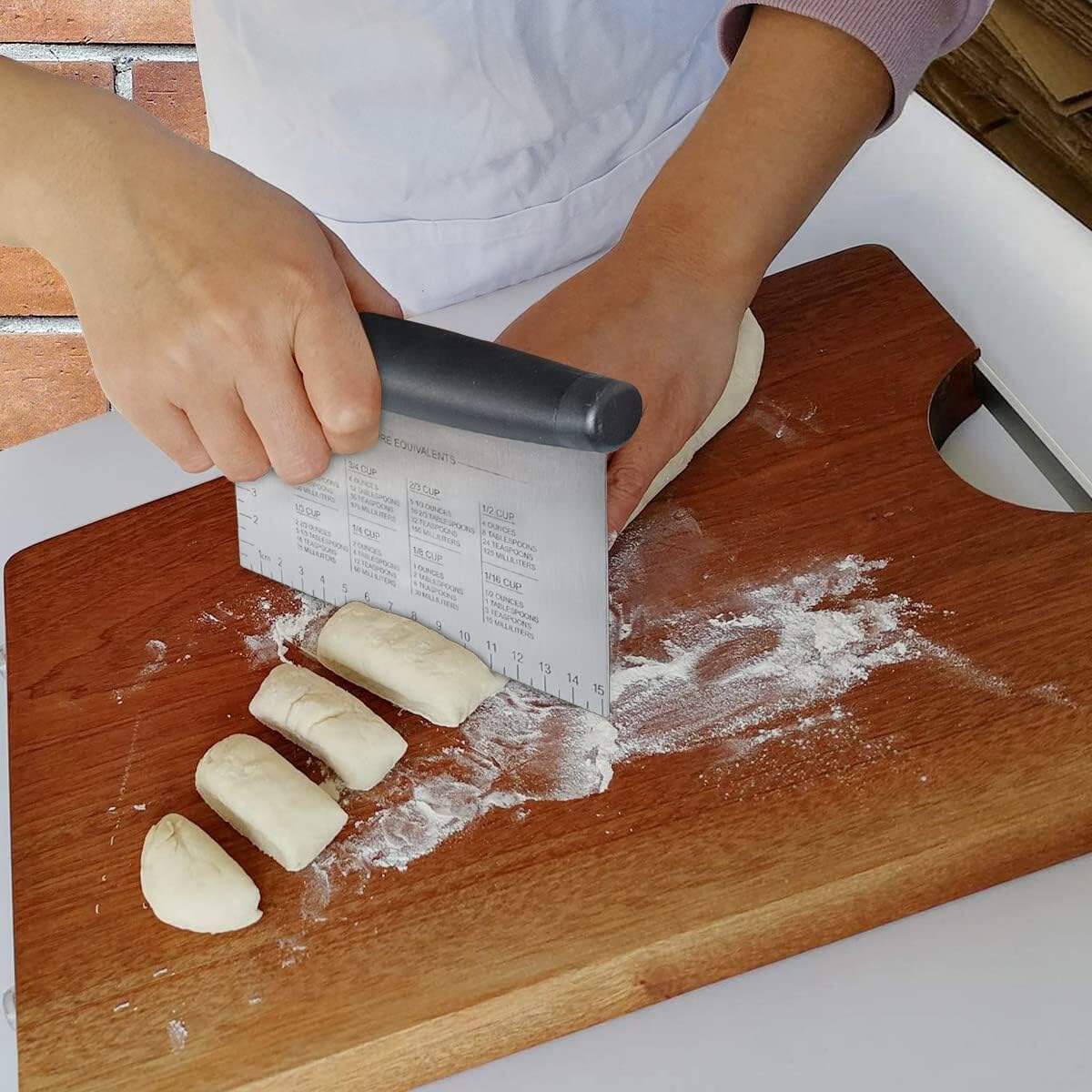
- Bench Scraper: Useful for gathering dough from the work surface and for cleaning up flour.
Beginner-Friendly Pasta Making Tool Recommendations
For those new to the art of pasta making, it’s wise to start with a foundational set of tools that offer versatility and ease of use. These selections will allow you to experiment with different pasta types without overwhelming yourself with specialized equipment.
A good starting point includes:
- A reliable set of mixing bowls.
- A quality rolling pin for manual dough flattening.
- A manual pasta machine with adjustable rollers for thickness and cutting attachments (e.g., for fettuccine and spaghetti). These are often more affordable and provide a hands-on learning experience.
- A simple pasta drying rack.
- A good chef’s knife or a sharp pizza cutter for shaping.
The Importance of Material Quality for Pasta Tools
The materials used in pasta-making tools significantly impact their durability, performance, and the overall quality of your homemade pasta. High-quality materials ensure that your tools will last, perform consistently, and contribute to a better culinary outcome.
- Stainless Steel: Commonly used for pasta machine rollers and cutters. It is durable, easy to clean, and resistant to rust, ensuring hygienic food preparation.
- Wood: Often used for rolling pins and handles. Good quality wood, like beech or maple, provides a comfortable grip and doesn’t impart unwanted flavors. It is also less likely to scratch delicate dough.
- Durable Plastics: While some plastic components are acceptable, especially for accessories, it’s generally preferable to opt for metal or wood for parts that come into direct contact with the dough, such as rollers.
- Cast Iron: While less common for home pasta machines today, it was historically used and offers immense durability. However, it requires careful maintenance to prevent rust.
“The quality of your tools is a direct reflection of the care you put into your craft.”
Essential Tools for Different Pasta Shapes
Once you’ve grasped the fundamental tools for pasta making, the next step is to explore the specific equipment that unlocks the creation of a diverse array of pasta shapes. Each category of pasta, from the simple and elegant to the intricately formed, often requires a particular set of tools to achieve its characteristic form and texture. Understanding these distinctions will guide you in building a toolkit that caters to your desired pasta repertoire.The world of pasta is wonderfully varied, and the tools you employ will directly influence the shapes you can create.
From the broad strokes of flat pasta to the delicate folds of filled pasta and the precise extrusions, there’s a tool for every culinary ambition.
Flat Pasta Tools
Creating flat pasta shapes like fettuccine, tagliatelle, or pappardelle primarily involves the careful rolling and cutting of dough. The goal is to achieve a consistent thickness and clean edges, which are crucial for both texture and presentation.The essential tools for flat pasta are:
- Pasta Machine (Manual or Electric): This is the cornerstone for achieving uniform dough sheets. Manual machines require cranking, while electric versions automate the process. Both typically offer adjustable rollers to control the thickness of the pasta.
- Rolling Pin (Optional but Recommended): While a pasta machine is ideal for consistency, a good quality, long rolling pin can be used for initial dough flattening or for those who prefer a more traditional, hands-on approach.
- Sharp Knife or Pasta Cutter: For cutting the rolled dough into desired widths. A sharp chef’s knife or a specialized pasta cutter with a single wheel provides clean cuts.
- Drying Rack: Once cut, fresh pasta benefits from being hung to dry slightly, preventing it from sticking together and ensuring a better cooking texture.
Filled Pasta Tools
Filled pastas, such as ravioli, tortellini, and agnolotti, involve encasing a filling within dough. This requires tools that facilitate both dough shaping and the sealing of the filling.The core tools for filled pasta production include:
- Pasta Machine: As with flat pasta, a pasta machine is invaluable for creating thin, consistent sheets of dough, which are essential for delicate filled pasta.
- Ravioli Cutter or Mold: These tools are designed to cut and seal ravioli. Ravioli cutters often create individual square or round pockets, while ravioli molds press two layers of dough together around the filling.
- Small Spoon or Piping Bag: For accurately placing the filling onto the dough before sealing. A small spoon offers control for small portions, while a piping bag allows for more precise application, especially for intricate shapes.
- Pastry Wheel or Fluted Cutter: Used to trim excess dough and to create decorative edges on filled pasta, ensuring a secure seal and an appealing finish.
- Fork: A simple fork can be used to press down the edges of ravioli, further securing the filling and adding a decorative touch.
Extruded Pasta Tools
Extruded pasta shapes, like spaghetti, penne, fusilli, and rigatoni, are formed by forcing dough through a die. This process creates distinct shapes and often a rougher texture that holds sauce well.The specialized tools for extruded pasta are:
- Pasta Extruder (Manual or Electric): This machine is equipped with interchangeable dies, each corresponding to a specific pasta shape. The dough is placed in the chamber and forced through the chosen die. Manual extruders are crank-operated, while electric ones are powered.
- Drying Rack or Tray: Similar to flat pasta, extruded shapes benefit from drying to prevent sticking and to achieve the desired firmness.
Beginner’s Toolkit for 3 Common Pasta Shapes
To begin your pasta-making journey and create three foundational shapes – fettuccine, ravioli, and spaghetti – a focused set of tools will be most beneficial. This curated selection balances versatility with the specific needs of each shape, making it an excellent starting point for any aspiring pasta maker.A beginner’s toolkit for these three shapes would ideally include:
| Pasta Shape | Essential Tools | Description |
|---|---|---|
| Fettuccine (Flat Pasta) | Pasta Machine (Manual or Electric) | For rolling dough to consistent thinness and cutting into ribbons. |
| Sharp Knife | For cutting the rolled dough into fettuccine strands. | |
| Ravioli (Filled Pasta) | Pasta Machine (Manual or Electric) | To create thin, uniform sheets for the ravioli casings. |
| Ravioli Cutter or Mold | To cut and seal the ravioli pockets. | |
| Small Spoon | For precise placement of the filling. | |
| Spaghetti (Extruded Pasta) | Pasta Extruder with Spaghetti Die | To force the dough through the die and create spaghetti strands. |
| Drying Rack | To hang the spaghetti while it dries slightly. |
Weighing and Measuring Ingredients
Precision in ingredient measurement is paramount in pasta making, directly influencing the dough’s texture, consistency, and ultimately, the final product. Unlike many baked goods where slight variations can be more forgiving, pasta dough’s delicate balance of flour and liquid requires a careful hand. Too much or too little of either can result in a dough that is too sticky, too dry, or difficult to work with, leading to a less-than-ideal pasta.The relationship between flour and water is a critical foundation for successful pasta.
Different types of flour absorb liquid at varying rates, and even ambient humidity can play a role. Therefore, relying on volume measurements alone, especially for flour, can lead to significant inconsistencies. Employing accurate weighing and measuring techniques ensures that each batch of pasta you create will be as close to perfect as possible, building a reliable foundation for your culinary endeavors.
Accurate Ingredient Measurement
The significance of accurate ingredient measurement in pasta making cannot be overstated. Pasta dough is essentially a simple emulsion of flour and liquid, and its success hinges on the correct ratio. This ratio dictates the gluten development, which in turn affects the pasta’s elasticity, chewiness, and ability to hold its shape during cooking. When ingredients are measured by weight, you achieve a consistent and repeatable outcome, regardless of factors like how tightly flour is packed into a cup or the humidity in your kitchen.
This precision is the cornerstone of producing high-quality homemade pasta, batch after batch.
Reliable Kitchen Scales
Investing in a reliable kitchen scale is one of the most impactful decisions a home pasta maker can make. Digital scales are generally preferred for their ease of use and accuracy. Look for a scale that can measure in grams and ounces, as many pasta recipes, particularly those adapted from Italian sources, will specify ingredient amounts by weight. Key features to consider include a tare function, which allows you to zero out the weight of your container before adding ingredients, and a clear, easy-to-read display.
Brands like OXO, Escali, and Greater Goods are often recommended for their durability and precision in the home kitchen. A scale with a capacity of at least 5-10 pounds (2-5 kg) will be sufficient for most home pasta-making needs.
Measuring Cups and Spoons
While weighing is ideal for flour, a good set of measuring cups and spoons is still essential for other ingredients like water, salt, and any additions such as olive oil or eggs. For dry ingredients like salt or semolina flour when measuring by volume, it’s best to use dry measuring cups that have straight sides and can be leveled off.
For wet ingredients, such as water or beaten eggs, liquid measuring cups with a spout and clear markings are crucial. These are designed to be read at eye level, allowing for more accurate measurement of liquids. Measuring spoons are used for smaller quantities of both dry and wet ingredients and should also be leveled for dry ingredients.
Flour Measurement Methods
The method used to measure flour can dramatically affect the amount of flour in your dough. When measuring flour for pasta, it is highly recommended to use a kitchen scale for the most accurate results. This ensures a consistent flour-to-liquid ratio, which is vital for achieving the correct dough consistency.However, if a scale is not available, the “spoon and level” method is the most accurate way to measure flour by volume.
This involves gently spooning flour into the dry measuring cup until it is overflowing, and then using a straight edge, such as the back of a knife, to level off the excess flour. Avoid scooping the flour directly from the bag or container with the measuring cup, as this compacts the flour and results in using more flour than the recipe intends.A table comparing these methods can illustrate the difference:
| Measurement Method | Typical Outcome (Approximate) | Accuracy Level |
|---|---|---|
| Weighing (e.g., 100 grams) | Precisely 100 grams | Highest |
| Spoon and Level | Approximately 100-110 grams (varies by flour type and packing) | Good |
| Scooping | Approximately 120-140 grams (highly variable) | Lowest |
Mixing and Kneading Dough
The journey to perfect pasta begins with the right technique for mixing and kneading your dough. This crucial step transforms simple ingredients into a pliable, workable foundation for all your pasta creations. Achieving the correct consistency is paramount, influencing the texture and structure of your final dish.A good mixing bowl is more than just a vessel; it’s an essential partner in pasta making.
For optimal results, choose a bowl that is large enough to comfortably hold all your ingredients without spillage, allowing ample room for mixing and kneading. Materials like stainless steel or heavy-duty plastic are excellent choices, as they are durable, easy to clean, and less prone to reacting with ingredients. A bowl with a non-slip base can also be a significant advantage, preventing it from sliding around on your countertop during vigorous kneading.When it comes to combining and developing your pasta dough, you have two primary approaches: using a stand mixer or employing manual kneading.
Each method offers distinct advantages and is suited to different preferences and circumstances.The benefits of using a stand mixer for pasta dough are considerable, especially for larger batches or for those who prefer a less physically demanding approach. A stand mixer, equipped with a dough hook attachment, can efficiently and consistently mix and knead the dough. This automation frees up your hands and ensures even gluten development, leading to a smoother, more elastic dough with minimal effort.
It is particularly useful for achieving the ideal consistency for recipes that require a longer kneading time.Manual kneading, on the other hand, offers a more intimate connection with your dough and is often preferred by traditionalists and those who appreciate the tactile experience of cooking. This method allows you to directly feel the dough’s texture and make subtle adjustments as you go, fostering a deeper understanding of its needs.
While it requires more physical exertion, manual kneading can yield exceptionally tender and flavorful pasta when done correctly.For those opting for the hands-on approach, here is a step-by-step procedure for hand-kneading pasta dough:
- Begin by creating a well in the center of your flour mixture on a clean, dry surface.
- Gradually incorporate the liquid ingredients into the well, using a fork or your fingers to gently draw the flour into the liquid until a shaggy dough forms.
- Once the dough becomes too difficult to mix with a fork, start bringing the dough together with your hands, pressing and folding it until it forms a cohesive ball.
- Lightly flour your work surface and your hands to prevent sticking.
- Begin kneading by pushing the dough away from you with the heel of your hand, then fold it back towards you. Rotate the dough a quarter turn and repeat the process.
- Continue kneading for approximately 8-10 minutes, or until the dough becomes smooth, elastic, and springs back when gently pressed.
Achieving the correct dough consistency is vital for successful pasta making. The dough should be firm enough to hold its shape but pliable enough to be rolled and cut without tearing. The ideal texture is often described as feeling like a firm earlobe or a soft leather.Here are some techniques for achieving the correct dough consistency:
- Hydration Adjustment: If your dough feels too dry and crumbly, gradually add a tiny amount of water (a teaspoon at a time) and continue kneading until it comes together. Conversely, if the dough is too sticky, dust your work surface and hands with a small amount of flour and knead it in until the desired consistency is reached.
- Resting the Dough: Allowing the dough to rest is a critical step in developing its elasticity. After kneading, wrap the dough tightly in plastic wrap and let it rest at room temperature for at least 30 minutes. This allows the gluten to relax, making the dough easier to roll out and less likely to shrink back.
- Observing the Dough’s Behavior: Pay close attention to how the dough feels and behaves throughout the kneading process. It should gradually become smoother and more elastic. If it tears easily, it may need more kneading. If it’s too tough and resistant, it might be over-kneaded or too dry.
“The texture of pasta dough is a delicate balance; too wet and it’s sticky, too dry and it’s brittle.”
Rolling and Shaping Pasta
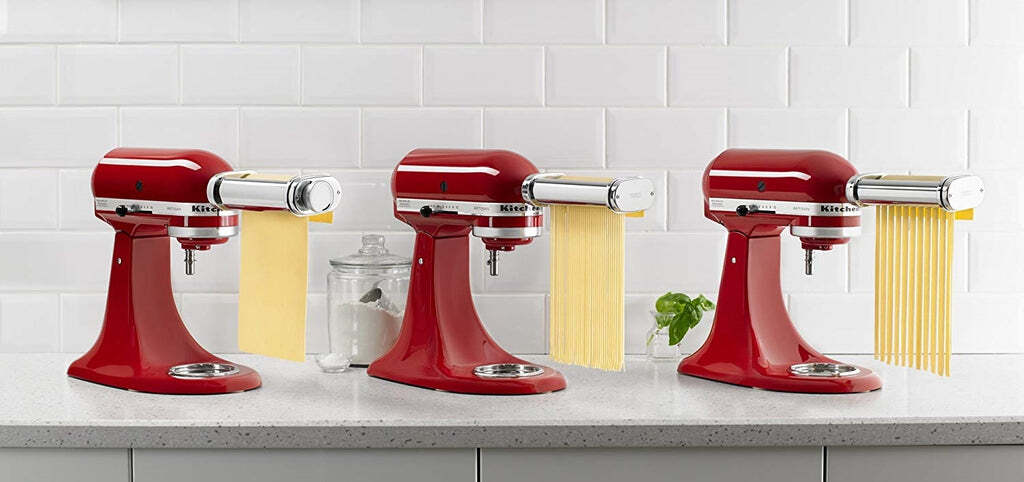
Once your dough has been mixed and kneaded to perfection, the next exciting step is to roll and shape it into the desired pasta form. This stage transforms a simple ball of dough into delicate strands, elegant sheets, or intricate filled shapes. The tools you use here will significantly influence the texture and appearance of your final pasta dish.The primary goal in this phase is to achieve a uniform thickness for your pasta.
This consistency is crucial for even cooking, ensuring that all strands or pieces of pasta cook at the same rate, preventing some from becoming mushy while others remain undercooked.
Manual Pasta Machine Functionality
A manual pasta machine, often referred to as a pasta roller, is a fundamental tool for achieving consistently thin pasta sheets. Its core functionality relies on a series of rollers that gradually reduce the thickness of the dough as it passes through. The machine typically consists of a frame, a handle for manual operation, and adjustable rollers. As you turn the crank, the dough is fed between these rollers, which are set at progressively smaller gaps.
Each pass through the machine thins the dough further. Most machines offer a range of settings, allowing you to select different thicknesses, from thick lasagna sheets to very fine angel hair pasta.
Achieving Various Thicknesses with a Pasta Machine
To achieve various thicknesses with a manual pasta machine, you will systematically pass your dough through the rollers, starting with the widest setting and progressively moving to narrower settings. Begin by flattening your dough into a rough rectangle. Pass this through the widest setting once or twice, folding it in half or thirds after each pass to create a smoother, more homogenous sheet.
Then, move to the next narrower setting and repeat the process. Continue this until you reach your desired thickness. For most long pasta shapes like fettuccine or spaghetti, a setting that yields a sheet about 1-1.5mm thick is ideal. Thicker shapes like lasagna might use a slightly thicker setting, while very delicate pasta might require the thinnest settings.
Hand-Crank Pasta Roller Versus Electric Attachment
The choice between a hand-crank pasta roller and an electric attachment for your stand mixer often comes down to preference, convenience, and the volume of pasta you intend to make.
- Hand-Crank Pasta Roller: These are generally more affordable and offer a tactile, hands-on experience. They provide excellent control over the dough’s thickness and texture. The physical effort involved can be a benefit for some, offering a more engaging cooking process. However, they require more manual labor, which can be tiring if making large batches.
- Electric Pasta Machine Attachment: These attachments connect to a stand mixer, utilizing its motor to power the rollers. They are significantly faster and require less physical exertion, making them ideal for frequent pasta makers or those preparing large quantities. The consistency can be very high, but they are typically more expensive and offer less direct control over the rolling process compared to manual machines.
Methods for Hand-Rolling Pasta Dough
For delicate shapes and when a pasta machine is not available or desired, hand-rolling is an art form. This method is particularly suited for shapes that benefit from a more rustic or artisanal feel.
- Using a Rolling Pin: Begin by dusting your work surface and rolling pin generously with flour to prevent sticking. Place the dough on the floured surface and start rolling from the center outwards, rotating the dough frequently. The key is to apply even pressure and to work the dough into a thin, uniform sheet. For very delicate shapes, aim for a thickness that is almost translucent.
This requires patience and consistent effort.
- Specific Hand-Shaping Techniques: Some pasta shapes are best formed by hand without extensive rolling. For instance, ‘orecchiette’ (little ears) are made by pressing small pieces of dough with a knife to create a cup shape. ‘Farfalle’ (bow-ties) are created by pinching rectangles of dough in the center. These methods often involve working with small pieces of dough, shaping them individually before they dry out.
Cutting and Finishing Pasta
Once your pasta dough has been expertly mixed, kneaded, and shaped, the next crucial steps involve precise cutting and proper finishing to ensure perfect texture and presentation. This stage transforms your pliable dough into distinct pasta shapes ready for cooking or drying. Attention to detail here will elevate your homemade pasta from good to exceptional.
Pasta Cutting Tools
A variety of tools are available to cut fresh pasta, each suited to different shapes and thicknesses. The choice of cutter significantly impacts the final appearance and cooking time of your pasta.
Types of Pasta Cutters
The selection of pasta cutters ranges from simple handheld tools to more elaborate machines. Understanding their functions will help you achieve the desired results for various pasta styles.
- Rolling Pin and Knife: This is the most basic method. A sharp chef’s knife or a specialized pasta knife can be used to cut sheets of pasta into fettuccine, tagliatelle, or pappardelle. For finer cuts, ensure the pasta sheet is lightly floured to prevent sticking.
- Fluted Pasta Wheel: This handheld tool features a rotating wheel with a serrated or straight edge. It is ideal for cutting shapes like ravioli, tortellini, or even for trimming the edges of lasagna sheets. The fluted edge adds a decorative finish.
- Ravioli Stamp/Cutter: Specifically designed for filled pastas, these tools come in various shapes and sizes (square, round, heart). They create individual portions of filled pasta by simultaneously cutting and sealing the edges.
- Pasta Machine with Cutting Attachments: Many manual and electric pasta machines come with interchangeable cutting dies for different shapes, such as spaghetti, linguine, or fettuccine. These attachments offer consistency and speed.
Using a Ravioli Stamp or Cutter
Ravioli stamps and cutters simplify the process of creating uniformly sized and perfectly sealed filled pasta. They are essential for anyone who enjoys making filled pasta dishes.
To use a ravioli stamp or cutter, first, place a sheet of pasta dough on a lightly floured surface. Spoon small portions of your chosen filling onto the dough, leaving adequate space between each portion. Gently lay a second sheet of pasta dough over the top. Press down around each mound of filling to expel any air and to begin sealing the edges.
Then, firmly press the ravioli stamp or cutter over the dough, ensuring it cuts through both layers and seals the edges of each individual ravioli. Lift the stamp and carefully separate the ravioli, ensuring the edges are well-sealed to prevent the filling from escaping during cooking.
Function of a Drying Rack
A pasta drying rack is a valuable tool for home cooks who make large batches of pasta or prefer to dry their pasta for later use. It allows for even air circulation, which is crucial for preventing sticking and ensuring the pasta dries uniformly.
Freshly made pasta has a high moisture content. If left in a pile, it can become sticky and clump together, or worse, mold. A drying rack provides multiple levels or arms on which to hang strands of pasta (like spaghetti or linguine) or to lay out shapes (like farfalle or rotelle). This elevation and separation allow air to circulate freely around each piece, facilitating a gradual and even drying process.
Dried pasta can be stored for extended periods, offering convenience and the ability to enjoy homemade pasta even when you don’t have fresh dough readily available. The drying process also slightly alters the texture, making it firmer and more resilient when cooked.
Essential Tools for Cutting and Storing Homemade Pasta
To effectively cut and store your delicious homemade pasta, a few key tools will make the process efficient and ensure your creations are preserved perfectly.
- Sharp Knife: A good quality chef’s knife or a dedicated pasta knife is essential for hand-cutting various pasta shapes.
- Fluted Pasta Wheel: This versatile tool is useful for cutting and crimping edges, particularly for filled pastas or lasagna.
- Ravioli Stamp or Cutter: For consistent and well-sealed filled pasta portions.
- Pasta Drying Rack: Crucial for drying larger batches of pasta evenly.
- Clean Kitchen Towels or Parchment Paper: For laying out and briefly resting pasta before cutting or drying, or for storing small batches.
- Airtight Containers or Resealable Bags: For storing dried pasta to maintain freshness and prevent moisture absorption.
Budget-Friendly Starter Kits

Embarking on the journey of homemade pasta doesn’t require a significant investment. With a thoughtful approach, you can assemble a capable and budget-friendly starter kit that will allow you to create a wide variety of delicious pasta shapes right in your own kitchen. This section focuses on creating an accessible entry point into pasta making without compromising on the ability to produce quality results.Building a functional pasta-making setup on a budget is entirely achievable.
The key lies in identifying essential tools, seeking out affordable alternatives, and understanding how to maximize the utility of common kitchen items. This approach ensures that you can enjoy the rewarding process of making pasta from scratch without feeling overwhelmed by cost.
Sample Budget-Friendly Starter Kit
A well-curated budget-friendly starter kit provides the fundamental tools needed for successful pasta making. This selection prioritizes versatility and affordability, allowing beginners to experiment and grow their skills.Here is a sample budget-friendly starter kit for pasta making:
- Large Mixing Bowl: A sturdy, medium-to-large mixing bowl is essential for combining flour, eggs, and other ingredients. Any standard kitchen bowl will suffice.
- Measuring Cups and Spoons: Accurate measurement is crucial for consistent dough. A basic set of dry and liquid measuring cups, along with measuring spoons, is a must-have.
- Bench Scraper: This simple yet invaluable tool helps in gathering dough from the counter, dividing it, and cleaning your work surface. A stiff plastic or metal scraper works well.
- Rolling Pin: A good quality, sturdy rolling pin is fundamental for flattening pasta dough. A standard wooden rolling pin is a classic and affordable choice.
- Pasta Cutter: For basic shapes like fettuccine or tagliatelle, a fluted pastry wheel or a sharp knife can be used. For more specific shapes, a simple hand-crank pasta machine is a worthwhile investment.
- Drying Rack (Optional but Recommended): While not strictly essential for immediate consumption, a simple drying rack, even one fashioned from coat hangers or a clean broomstick balanced between chairs, helps prevent freshly cut pasta from sticking together.
Finding Affordable Yet Functional Pasta-Making Equipment
Discovering affordable yet highly functional pasta-making equipment involves strategic shopping and a keen eye for value. Many excellent tools can be found at lower price points if you know where to look and what to prioritize.To find affordable yet functional pasta-making equipment, consider the following:
- Second-hand Stores and Flea Markets: These locations often yield high-quality, vintage kitchen tools at a fraction of their original cost. Look for sturdy metal or wooden items.
- Discount Retailers and Online Marketplaces: Stores like TJ Maxx, HomeGoods, or online platforms such as Amazon, eBay, and AliExpress often have unbranded or less-known brands that offer good performance for the price. Read reviews carefully.
- Sales and Clearance Sections: Keep an eye out for seasonal sales or clearance items at kitchen supply stores or department stores.
- Basic, Non-Branded Options: Often, the most expensive pasta tools are those with well-known brand names. Opting for simpler, unbranded versions of essentials like rolling pins or mixing bowls can save significant money.
Improvising with Common Kitchen Items
Many common kitchen items can be ingeniously repurposed for pasta making, significantly reducing the need for specialized equipment. Creativity and a willingness to experiment are your best allies when improvising.Tips for improvising with common kitchen items for pasta making include:
- For Rolling Dough: Instead of a dedicated pasta roller, a clean, smooth-surfaced wine bottle or a sturdy, cylindrical glass bottle can serve as an effective rolling pin. Ensure it’s free of labels and thoroughly cleaned.
- For Cutting Pasta: A sharp chef’s knife or a pizza cutter can be used to slice noodles after the dough has been rolled thin. For more decorative edges, a fluted pastry wheel, often used for pies, works wonderfully.
- For Drying Pasta: If you don’t have a dedicated drying rack, you can improvise by draping strands of pasta over the back of clean chairs, over a broomstick balanced between two sturdy objects, or even on a lightly floured baking sheet laid flat. Ensure good air circulation.
- For Kneading: Any clean, flat countertop or a large wooden cutting board can serve as your kneading surface. The key is to ensure it’s stable and easy to clean.
Prioritizing Tool Purchases When Starting Out
When beginning your pasta-making adventure on a budget, strategic prioritization of tool purchases ensures you acquire the most impactful items first. This allows you to start making pasta sooner and build your collection as you become more invested.Guidance on prioritizing tool purchases when starting out includes:
- Essential Ingredients and Basic Utensils: Before investing in specialized equipment, ensure you have access to quality flour, eggs, and salt. A good mixing bowl and measuring tools are fundamental and usually already present in most kitchens.
- A Reliable Rolling Pin and Cutting Tool: The ability to roll dough thinly and cut it cleanly is paramount. A sturdy rolling pin and a sharp knife or pastry wheel are high priorities.
- A Pasta Machine (Manual Crank): If your budget allows, a manual crank pasta machine is the single most impactful purchase for expanding your pasta-making capabilities. It drastically improves consistency and efficiency for common shapes like fettuccine and spaghetti. Look for a basic model that offers adjustable thickness settings.
- Specialty Cutters or Attachments: Once you’ve mastered basic shapes and are comfortable with your machine, you can consider adding attachments for different noodle widths or ravioli molds, but these are not essential for initial success.
Tool Maintenance and Care
Proper maintenance and care are crucial for ensuring your pasta-making tools remain in excellent condition and continue to produce delicious pasta for years to come. Investing a little time in cleaning and storage will significantly extend the lifespan of your equipment and prevent common issues.This section will guide you through the best practices for keeping your pasta-making tools in optimal working order, from the pasta machine itself to your trusty wooden boards.
Pasta Machine Cleaning Best Practices
Maintaining your pasta machine involves a gentle yet thorough approach to ensure its functionality and prevent rust or dough buildup. Always refer to your specific machine’s manual for manufacturer-recommended cleaning procedures, as materials and designs can vary.
General best practices include:
- Immediate Post-Use Cleaning: After each use, it’s essential to clean your pasta machine promptly. Allow any excess dough to dry slightly on the rollers and cutters.
- Dry Brushing: Use a dry pastry brush or a soft, dry cloth to gently brush away any dried dough particles from the rollers, cutters, and the machine’s exterior. Avoid using water directly on the rollers unless explicitly stated in the manual.
- Scraping for Stubborn Bits: For more stubborn dough, a plastic or wooden spatula can be used to carefully scrape away residue. Never use metal utensils, as they can scratch and damage the rollers.
- Dismantling (When Applicable): Some pasta machines allow for partial dismantling of the cutting attachments. If yours does, carefully remove these parts and clean them individually with a dry brush.
- Oiling (For Metal Parts): For machines with unpainted metal parts that are prone to rust, a very light application of food-grade mineral oil on a cloth can be applied after cleaning and drying. This creates a protective barrier. Ensure no excess oil remains on the rollers that will contact the pasta.
- Avoiding Dishwashers: Never put your pasta machine or its components in a dishwasher, as the heat and harsh detergents can cause irreparable damage, especially to metal parts and plastic components.
Proper Storage of Pasta-Making Tools
Storing your pasta-making tools correctly is as important as cleaning them. Proper storage prevents damage, keeps your tools organized, and ensures they are ready for your next pasta-making adventure.
To ensure the longevity and usability of your tools, consider the following storage methods:
- Pasta Machines: Store your pasta machine in a dry, cool place. If it comes with a box or protective cover, use it. Avoid storing heavy items on top of it, which could warp the rollers or frame.
- Wooden Pasta Boards and Rolling Pins: These items should be stored in a dry environment. Avoid exposing them to excessive moisture or direct sunlight, which can cause them to warp or crack. It’s often best to store them flat or on a rack where air can circulate around them.
- Cutters and Small Tools: Keep small metal cutters and other accessories in a compartmentalized drawer or a dedicated tool organizer. This prevents them from getting lost, damaged, or dulling their edges by rubbing against other items.
- Drying Racks: If you use a pasta drying rack, ensure it is completely dry before storing it. Some racks can be disassembled for more compact storage.
Maintaining the Longevity of Wooden Pasta Boards
Wooden pasta boards are a classic and beautiful tool for pasta making. With the right care, they can last for generations. Their porous nature requires specific attention to prevent damage and maintain their smooth surface.
To preserve your wooden pasta boards:
- Cleaning: After use, wipe the board clean with a damp cloth. For any sticky residue, use a dough scraper or a stiff brush. Avoid using soap or detergents, as they can be absorbed by the wood and affect the taste of your pasta.
- Drying: Always ensure the board is thoroughly dried after cleaning. Stand it upright or lean it against a surface to allow air circulation on all sides.
- Seasoning: Periodically, especially if the wood looks dry or dull, season the board with a food-grade mineral oil. Apply a generous amount of oil, let it soak in for a few hours or overnight, and then wipe off any excess. This helps to protect the wood from moisture and prevent cracking.
- Avoiding Extreme Conditions: Do not leave wooden boards in humid areas like dishwashers or sinks for extended periods. Also, avoid placing them near heat sources or in direct sunlight, which can cause warping.
Common Pasta Maker Issues and Their Solutions
Even with careful maintenance, pasta makers can sometimes encounter minor issues. Understanding these common problems and their solutions will help you address them quickly and efficiently, ensuring your pasta-making continues without interruption.
| Common Issue | Potential Cause | Solution |
|---|---|---|
| Dough is too thick or uneven when passing through rollers. | Rollers are not set to the correct thickness setting. | Adjust the roller setting to a wider gap. Ensure the dough is adequately floured to prevent sticking. |
| Dough sticks to the rollers or cutters. | Insufficient flouring of the dough. Dampness on the rollers. |
Lightly flour the dough before passing it through the machine. Ensure rollers are completely dry. |
| Pasta breaks or tears during the cutting process. | Dough is too wet or too dry. Cutters are dull or damaged. |
Adjust dough consistency by adding a little more flour if too wet, or a tiny bit of water if too dry. Inspect cutters for damage; sharpen or replace if necessary. |
| Pasta machine makes a grinding or squeaking noise. | Lack of lubrication. Debris caught in gears or rollers. |
Consult your manual for lubrication points and use food-grade oil. Thoroughly clean the machine to remove any foreign particles. |
| Rust appears on metal parts. | Exposure to moisture. Improper drying after cleaning. |
Clean the rusted area gently with fine steel wool (if recommended by the manufacturer). Dry thoroughly and apply a light coat of food-grade mineral oil to protective parts. |
Last Recap
:max_bytes(150000):strip_icc()/__opt__aboutcom__coeus__resources__content_migration__serious_eats__seriouseats.com__2021__02__20150415-pastas-vicky-wasik-a6793b3154a44117839cef788a1e115c.jpg "The Best Tools For Making, Cooking, and Serving Pasta of 2025")
As we conclude our exploration, it’s clear that choosing the right starter tools for pasta making is a foundational element for success and enjoyment in your culinary endeavors. By understanding the purpose of each essential item, from basic rollers to specialized cutters, and by prioritizing quality and practicality, you are well-equipped to create delicious homemade pasta. Remember that thoughtful selection, proper care, and a willingness to learn will undoubtedly lead to countless satisfying pasta-making experiences.