How to Choose the Right Flour for Homemade Pasta sets the stage for this enthralling narrative, offering readers a glimpse into a story that is rich in detail with formal and friendly language style and brimming with originality from the outset.
Embarking on the journey of crafting authentic homemade pasta begins with a fundamental understanding of flour. This guide delves into the diverse world of flours, exploring how their unique properties—from protein content and gluten development to absorption rates—profoundly influence the final texture and character of your pasta. We will navigate through the nuances of common choices like all-purpose, bread flour, semolina, and ’00’ flour, uncovering why each plays a distinct role in achieving that perfect al dente bite or delicate tenderness.
Beyond the flour itself, we will consider how factors such as desired pasta shape, humidity, and even the art of blending flours contribute to a successful outcome, ensuring your homemade pasta dreams are deliciously realized.
Understanding Different Flour Types for Pasta
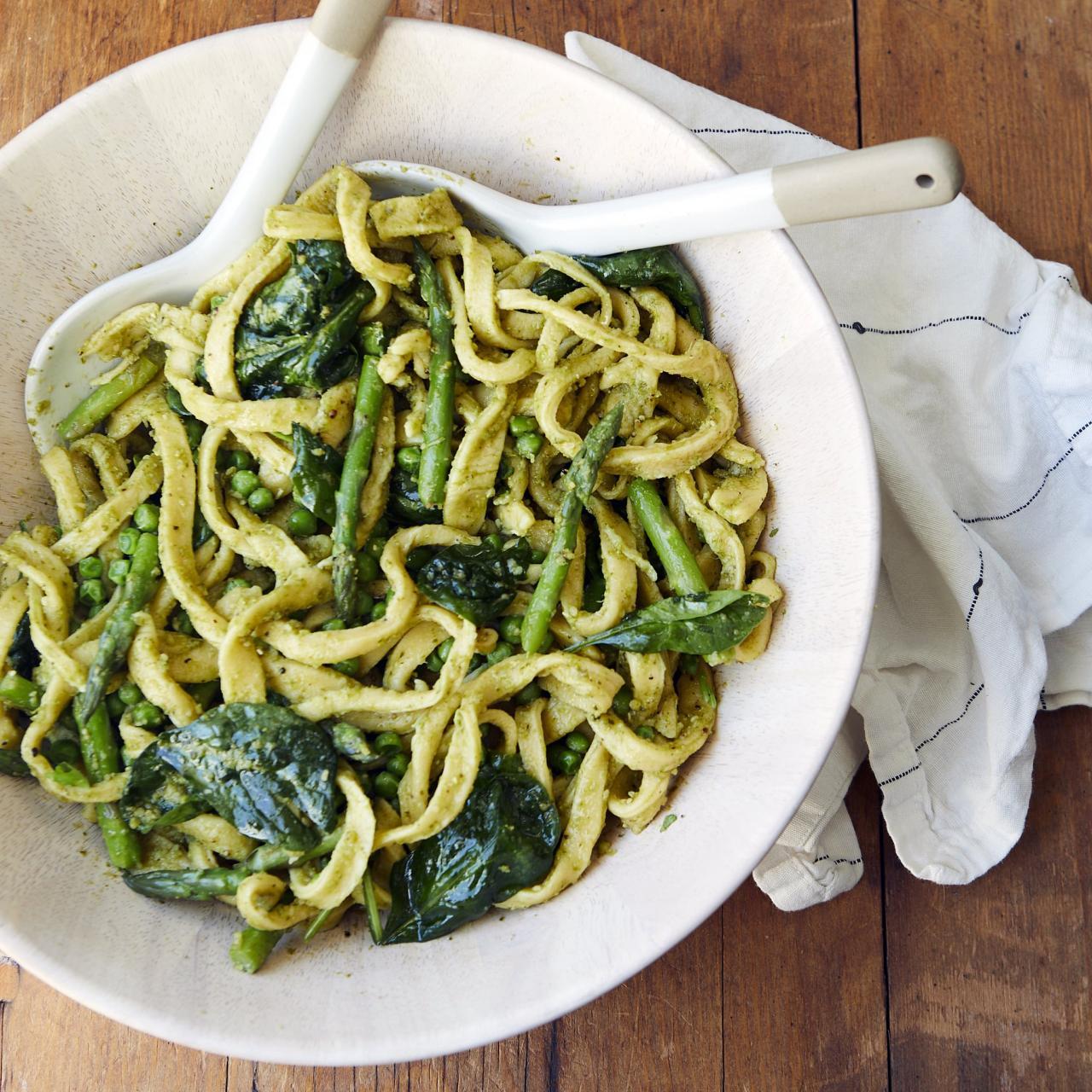
Choosing the right flour is a foundational step in crafting delicious homemade pasta. The type of flour significantly influences the dough’s texture, elasticity, and how it holds its shape during cooking. Different flours possess varying protein levels and milling characteristics, each lending a unique quality to the final pasta product.The world of flour can seem vast, but understanding a few key types will empower you to make informed decisions for your pasta creations.
From the everyday all-purpose to the specialized Italian ’00’, each flour offers a distinct advantage.
All-Purpose Flour
All-purpose flour is a versatile option that many home cooks already have in their pantry. It is milled from a blend of hard and soft wheats, making it suitable for a wide range of baking and cooking applications. For pasta, it provides a good starting point, especially for beginners.The protein content in all-purpose flour typically ranges from 10% to 12%.
This protein, when hydrated and worked, forms gluten, which gives pasta its structure and chewiness. While it can produce perfectly acceptable pasta, it may not achieve the same silky texture or the distinct bite found in pasta made with more specialized flours.
Bread Flour
Bread flour is characterized by its higher protein content, generally between 12% and 14%. This elevated protein level translates to a more robust gluten network when mixed with water.The increased gluten development in bread flour results in a pasta dough that is exceptionally elastic and strong. This makes it ideal for pasta shapes that require significant structure and are prone to breaking, such as hand-cut fettuccine or ravioli.
However, the texture can sometimes be chewier and less tender than pasta made with lower-protein flours.
Semolina Flour
Semolina flour is a coarse, granular flour made from durum wheat, a hard variety of wheat known for its high protein and gluten content. It is the traditional flour of choice for many Italian pasta makers, particularly for dried pasta.The milling process for semolina results in particles that are larger than those of all-purpose or bread flour. This coarseness contributes to a pasta that has a slightly rougher surface, which is excellent for holding sauces.
The high protein content (often around 13-15%) ensures a firm, al dente bite and a golden-yellow hue, characteristic of classic pasta.
’00’ Flour
’00’ flour, a designation from the Italian milling system, refers to the fineness of the grind rather than the type of wheat used. However, it is typically milled from soft wheat and has a very low protein content, usually around 8-10%.The extremely fine texture of ’00’ flour creates a dough that is exceptionally smooth, silky, and delicate. This results in a tender pasta that melts in the mouth, making it perfect for fresh egg pastas, filled pastas like tortellini, and delicate shapes.
Its low gluten potential means it requires a gentler touch during kneading to avoid toughness.
Other Flours for Unique Pasta Varieties
Beyond the common choices, a variety of other flours can be incorporated to create unique pasta textures and flavors. These are often used in combination with traditional flours to achieve specific results.A table illustrating these less common flours and their characteristics:
| Flour Type | Primary Characteristics | Typical Use in Pasta |
|---|---|---|
| Whole Wheat Flour | Higher fiber content, nutty flavor, denser texture. | Adds earthy notes and a rustic chew to pasta. Often blended with all-purpose or semolina. |
| Spelt Flour | Ancient grain, slightly sweet and nutty flavor, good elasticity. | Can be used on its own or blended for a more complex flavor profile and tender texture. |
| Rye Flour | Distinctive earthy and slightly sour flavor, lower gluten potential. | Best used in small quantities to add depth of flavor to pasta, often blended with wheat flours. |
| Buckwheat Flour | Gluten-free, earthy and robust flavor. | Used for gluten-free pasta alternatives or to impart a strong flavor, often in combination with other flours. |
When experimenting with these flours, it’s important to consider their gluten-forming capabilities and adjust hydration levels accordingly. For instance, gluten-free flours like buckwheat will require binders to achieve a workable dough.
Factors Influencing Flour Selection
![Top 5 Best Flours For Homemade Pasta [October 2023]](https://ngulikcara.web.id/wp-content/uploads/2025/09/20141222-pasta-making-robyn-lee-2.jpg "Top 5 Best Flours For Homemade Pasta [October 2023]")
Selecting the right flour is a cornerstone of successful homemade pasta making, as it directly impacts the final texture, handling characteristics, and overall quality of your dish. Beyond the basic flour types, several key factors come into play, guiding you toward the perfect choice for your culinary aspirations. Understanding these influences will empower you to consistently create delicious pasta that delights the palate.This section delves into the critical elements that shape your flour selection, ensuring you can tailor your ingredients to achieve your desired pasta outcomes.
From the subtle nuances of texture to the practicalities of your environment, we’ll explore how each factor contributes to a superior pasta-making experience.
Desired Pasta Texture
The texture of your finished pasta is a primary driver in choosing the appropriate flour. A flour’s protein content and gluten-forming potential significantly influence how the dough behaves during kneading and how the pasta holds its shape and mouthfeel when cooked.
- Al Dente Texture: For pasta that offers a satisfying bite and resilience, flours with higher protein content, such as high-quality durum wheat semolina or bread flour, are ideal. These flours develop strong gluten networks, which prevent the pasta from becoming mushy when cooked. The gluten provides the structure that allows the pasta to retain its shape and offer that characteristic resistance to the tooth.
- Soft and Tender Texture: If a more delicate, tender pasta is desired, as might be the case for filled pastas or delicate egg noodles, flours with lower protein content, such as all-purpose flour or even pastry flour, can be considered. These flours create a less robust gluten structure, resulting in a softer, more yielding texture upon cooking.
Pasta Type Specific Selection
Different pasta shapes and preparations benefit from distinct flour characteristics. The structure required for a long, thin strand differs from that needed for a delicate filled ravioli or a sturdy lasagna sheet.
- Long Strands (e.g., Tagliatelle, Spaghetti): These benefit from flours that create a strong, elastic dough capable of being rolled thin and cut without tearing. High-protein durum wheat semolina is the traditional and often preferred choice, providing excellent structure and a slightly granular bite. A blend of semolina and bread flour can also yield excellent results.
- Filled Pastas (e.g., Ravioli, Tortellini): For filled pastas, a dough that is pliable and can be sealed effectively without cracking is crucial. While durum wheat can be used, a blend of all-purpose flour and a smaller proportion of semolina, or even a soft wheat flour like Italian “00,” can create a tender yet workable dough. The goal is to achieve a balance between structure and tenderness to complement the filling.
- Sheet Pastas (e.g., Lasagna): Lasagna sheets require a dough that can be rolled out to a uniform thickness and will hold its shape during baking without becoming overly dense or falling apart. A robust flour, such as bread flour or a blend of all-purpose and semolina, provides the necessary structure to withstand the layering and baking process.
Influence of Humidity and Climate
Environmental factors, particularly humidity, play a significant role in pasta making and can influence your flour choice. The moisture content in the air directly affects the dough’s hydration and consistency.
- High Humidity: In humid climates, flours will absorb moisture from the air, making them feel wetter. This means you may need to use less liquid than a recipe calls for or even opt for a slightly drier flour. Over-hydrated doughs can become sticky and difficult to handle.
- Low Humidity: Conversely, in dry climates, flours will readily release moisture, leading to a drier dough. You might find yourself needing to add a little more liquid to achieve the desired consistency. Dry doughs can be prone to cracking and are harder to knead smoothly.
When working in challenging climates, it is often beneficial to weigh your flour rather than relying solely on volume measurements, as this provides a more accurate and consistent starting point.
Single-Flour Versus Flour Blends
While single flours can produce excellent pasta, combining different flours offers a sophisticated way to fine-tune texture, flavor, and handling. Blending allows for a synergistic effect, leveraging the strengths of each flour type.
- Single-Flour Advantages: Using a single flour, such as pure durum wheat semolina, provides a classic, authentic taste and texture. It simplifies the process for beginners and ensures a consistent result when the chosen flour is of high quality.
- Flour Blend Advantages: Blending flours allows for greater control over the final product. For instance, combining the strength of bread flour with the tenderness of all-purpose flour can create a versatile dough. A mix of semolina and all-purpose flour can offer a balance of chewiness and pliability. Experimentation with different ratios can lead to unique and personalized pasta textures.
Flour Absorption Rate and Liquid Requirements
Each flour type has a unique absorption rate, meaning it will absorb a different amount of liquid to reach optimal hydration. This is a critical factor in achieving the correct dough consistency.
The absorption rate of a flour is its capacity to absorb liquid, directly impacting the hydration level of the dough.
- High Absorption Flours: Flours with higher protein content, like bread flour and durum wheat semolina, generally have a higher absorption rate. They require more liquid to form a cohesive dough because the proteins bind with water to create gluten.
- Low Absorption Flours: Flours with lower protein content, such as all-purpose or pastry flour, typically have a lower absorption rate. They require less liquid.
When making pasta, it is always advisable to add liquid gradually, especially when using a new flour or blend. You may not need the full amount of liquid specified in a recipe, or you might need slightly more. The dough should feel firm but pliable, not sticky or crumbly. Observing the dough’s texture during mixing is more important than adhering strictly to liquid measurements.
Practical Considerations for Homemade Pasta Flour
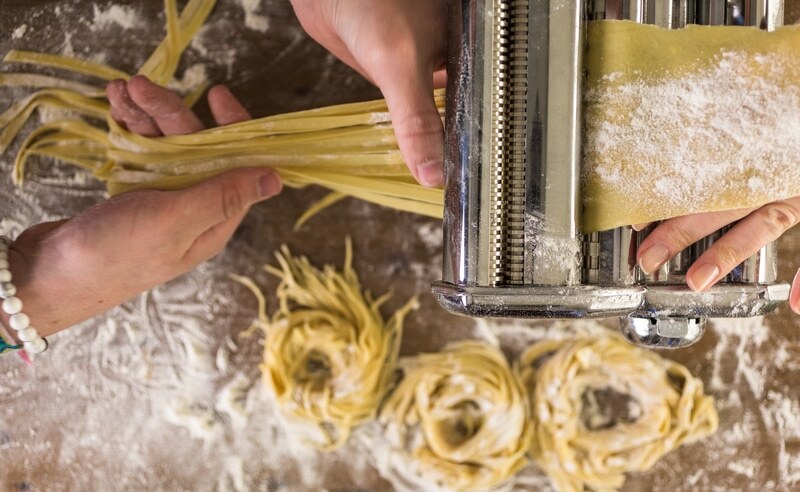
Having explored the different types of flour and the factors influencing your choice, it’s time to get hands-on. This section will guide you through the practical aspects of using flour for your homemade pasta, from testing and troubleshooting to storage and quality assessment. Understanding these elements will elevate your pasta-making from a hobby to a craft.
Testing Different Flours for Pasta Dough
The best way to truly understand how a flour behaves in pasta is through direct experimentation. A systematic testing approach will reveal its unique characteristics and help you make informed decisions for future batches.
- Prepare Small Test Batches: For each flour you wish to test, measure out a consistent amount of flour (e.g., 100 grams) and the corresponding amount of liquid (typically eggs or water, maintaining a standard ratio).
- Mix and Knead: Combine the ingredients and mix until a shaggy dough forms. Then, knead each dough separately for approximately 5-10 minutes. Observe the texture, elasticity, and how it feels in your hands. Note if it’s too sticky, too dry, or just right.
- Rest the Dough: Cover each dough ball with plastic wrap or a damp cloth and let it rest for at least 30 minutes. This allows the gluten to relax, making it easier to roll.
- Roll and Shape: Attempt to roll out each dough to your desired thickness. Observe how easily it stretches, if it tears, or if it becomes brittle. Then, try shaping it into your preferred pasta form (e.g., fettuccine, ravioli).
- Cook and Evaluate: Cook a small portion of each pasta type in boiling salted water. Pay attention to how it cooks: does it hold its shape, does it become mushy, or does it retain a pleasant al dente texture?
- Record Observations: Keep a notebook to jot down your findings for each flour. Note the feel of the dough during kneading and rolling, its behavior during cooking, and the final texture and flavor. This detailed record will be invaluable.
Troubleshooting Common Dough Issues Related to Flour Choice
Even with careful selection, dough issues can arise. Most problems with homemade pasta dough are directly related to the flour’s absorption properties and gluten content.
| Problem | Likely Flour-Related Cause | Solution |
|---|---|---|
| Dough is too sticky and difficult to handle. | Flour has high absorption (e.g., some whole wheat or rye flours), or too much liquid was used. | Gradually add small amounts of flour, a tablespoon at a time, while kneading until the dough is no longer sticky but still pliable. Avoid adding too much, which can make the pasta tough. |
| Dough is too dry and crumbly, or tears easily when rolling. | Flour has low absorption (e.g., some low-protein white flours), or not enough liquid was used. | Gradually add small amounts of liquid (water or egg, depending on your recipe), a teaspoon at a time, while kneading until the dough comes together and is smooth. |
| Pasta becomes mushy or disintegrates when cooked. | Flour has very low protein content, or the dough was over-hydrated. | Ensure you are using a flour with adequate protein for pasta, such as semolina or a good quality all-purpose flour. If using a lower-protein flour, consider adding a bit of vital wheat gluten or using less liquid. |
| Pasta is tough and chewy. | Over-kneading, or using a high-protein flour without sufficient hydration, or the dough was too dry. | Ensure you knead until the dough is smooth and elastic, not beyond. If using a high-protein flour, make sure the hydration is correct. Resting the dough adequately also helps prevent toughness. |
Adjusting Recipes When Substituting One Flour for Another
Substituting flours in pasta making requires an understanding of their different properties, primarily their protein content and absorption rates.
- Consider Protein Content: Flours with higher protein content (like semolina or bread flour) develop stronger gluten, leading to chewier pasta. Flours with lower protein (like cake flour) will result in more tender pasta, but may be too delicate for some shapes. All-purpose flour is a good middle ground.
- Adjust Liquid Ratios: Different flours absorb liquid differently. If substituting a flour known for higher absorption (e.g., whole wheat), you might need slightly less liquid. Conversely, if using a flour with lower absorption, you may need a touch more. Start with your base recipe and adjust incrementally.
- Vital Wheat Gluten as an Enhancer: For softer flours that lack sufficient gluten for good pasta structure, consider adding a small amount of vital wheat gluten (typically 1-2 teaspoons per cup of flour). This can significantly improve elasticity and chew.
- Flavor Profile: Be mindful of how the substituted flour will affect the final flavor. Whole grains will impart a nuttier, earthier taste, while refined flours will be more neutral.
- Start with Small Substitutions: When experimenting, it’s often best to substitute only a portion of the original flour (e.g., 25-50%) to see how the dough behaves before committing to a full substitution.
Tips for Storing Different Types of Pasta Flour to Maintain Freshness
Proper storage is crucial for preserving the quality and extending the shelf life of your pasta flours. Different flours have varying needs.
- Airtight Containers: Regardless of the flour type, always store it in an airtight container. This protects it from moisture, air, pests, and odors. Glass jars with rubber seals, sturdy plastic containers, or food-grade metal canisters are excellent choices.
- Cool, Dry, and Dark Place: The ideal storage location is a cool, dry, and dark pantry or cupboard. Avoid storing flour near heat sources like ovens or stoves, or in humid areas like under the sink.
- Whole Grain Flours: Whole grain flours contain oils from the germ and bran, making them more susceptible to rancidity. For these flours, refrigeration or freezing is highly recommended, especially if you don’t use them frequently.
- Refrigeration for Longer Storage: For flours you won’t use within a few months, or for whole grain flours, refrigeration can significantly extend their freshness. Ensure they are in a tightly sealed container to prevent moisture absorption and odor transfer.
- Freezing for Extended Preservation: For very long-term storage, freezing is the best option. Place the flour in a freezer-safe airtight container or heavy-duty freezer bag. Thaw completely at room temperature before use to prevent condensation.
- Label and Date: Always label your containers with the type of flour and the date of purchase or opening. This helps you use older stock first and monitor freshness.
Identifying the Quality of Flour Suitable for Premium Homemade Pasta
The quality of your flour is a foundational element for exceptional homemade pasta. Several indicators can help you discern superior flour.
- Appearance: High-quality flour should have a uniform color and texture. For semolina, look for a vibrant golden-yellow hue. For all-purpose or bread flours, a clean, bright white or off-white color is desirable, without any greyish tones or dark specks that might indicate impurities or improper milling.
- Smell: Fresh, good-quality flour should have a mild, slightly sweet, or nutty aroma. Any off-putting smells, such as musty, rancid, or sour odors, are a clear sign of spoilage or poor storage.
- Texture: Rub a small amount of flour between your fingers. It should feel smooth and powdery. If it feels gritty, clumpy, or greasy, it may be old, poorly milled, or contaminated.
- Protein Content (for relevant flours): For flours like semolina and durum wheat, a higher protein content (typically 12-14% or more) is crucial for developing strong gluten strands that give pasta its characteristic chew and structure. Check the packaging for this information.
- Brand Reputation and Origin: Reputable brands that specialize in baking or pasta ingredients often provide higher quality products. Researching the origin of the wheat can also be an indicator; some regions are renowned for their superior wheat crops.
- Freshness: While not always explicitly stated, look for packaging that indicates a recent milling date if possible. Flour is a relatively perishable product, and fresher is generally better for optimal results.
Incorporating Whole Grains and Other Additives
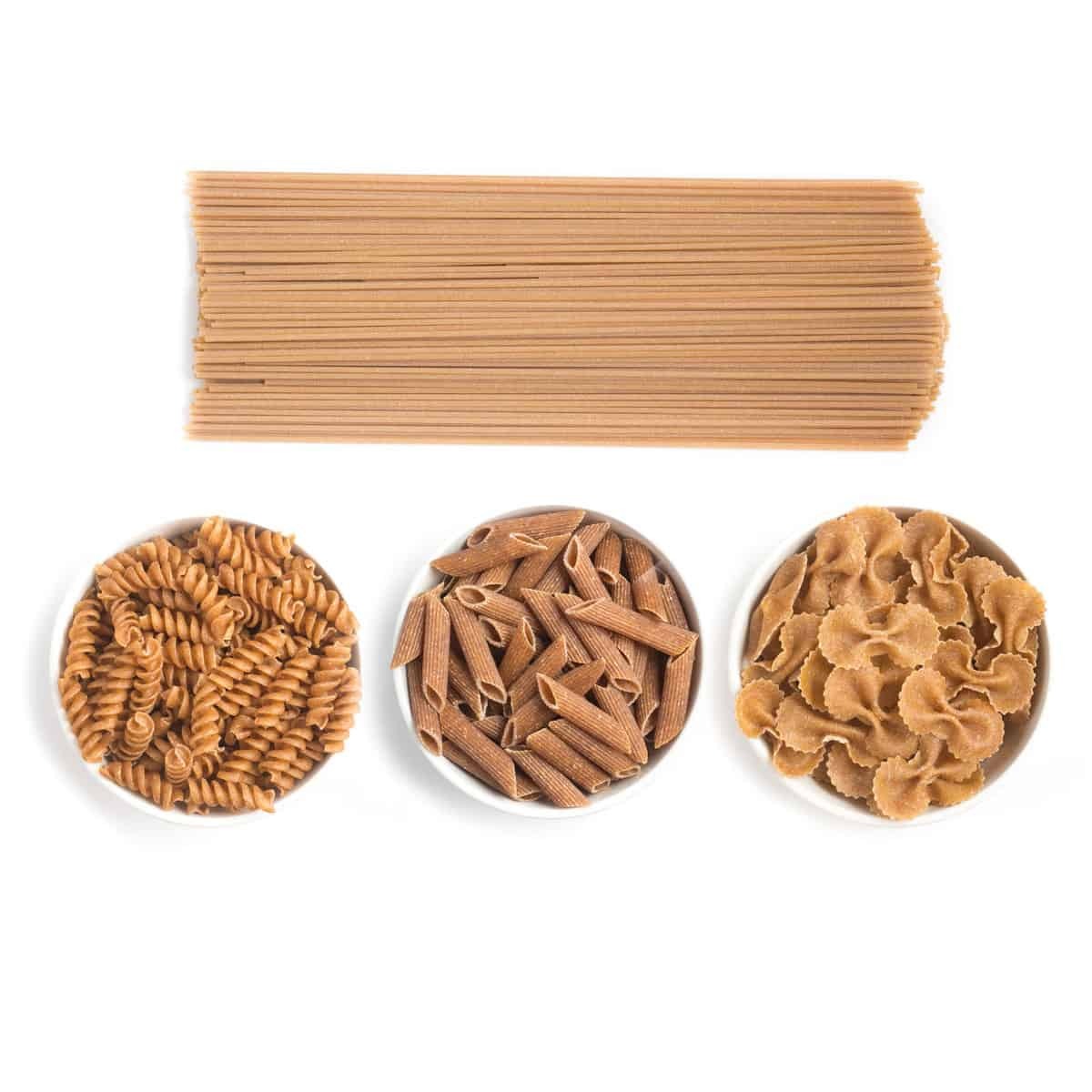
Venturing beyond traditional semolina and all-purpose flours opens up a world of flavor, texture, and nutritional enhancement for your homemade pasta. This section explores how to successfully integrate whole grains and other ingredients to create unique and delicious pasta variations.
Whole Wheat Flour in Pasta
Whole wheat flour, made from the entire wheat kernel, offers a richer, nuttier flavor and increased fiber content compared to refined flours. This translates to a more rustic and satisfying pasta. However, its use presents some challenges. The bran and germ in whole wheat flour absorb more liquid and can interfere with gluten development, potentially leading to a denser, less elastic dough that is harder to work with.To successfully incorporate whole wheat flour, it’s often recommended to start with a blend.
A common starting point is a 50/50 mix of whole wheat and all-purpose or semolina flour. As you become more accustomed to its properties, you can gradually increase the proportion of whole wheat flour. Hydration is key; you may need to add a little extra water, a tablespoon at a time, until the dough reaches the desired consistency. Resting the dough for a longer period can also help the whole wheat flour fully absorb the liquid and improve its workability.
Alternative Flours for Pasta Dough
Beyond whole wheat, a variety of other grains can be incorporated into pasta dough, each bringing its own distinct characteristics. Spelt, an ancient grain, offers a slightly sweet, nutty flavor and a tender texture. Rye flour imparts a robust, earthy flavor, making it excellent for heartier pasta dishes. Buckwheat, despite its name, is not related to wheat and is gluten-free, providing a distinctive earthy taste and a slightly grainy texture; it’s often used in blends for gluten-free pasta.When integrating these alternative flours, the principles are similar to those for whole wheat.
They often require adjustments in hydration, as their absorption rates differ. Spelt generally behaves similarly to wheat flour, while rye and buckwheat can be more challenging due to their gluten-free nature or different protein structures. It’s advisable to start with small percentages (e.g., 10-20%) of these alternative flours mixed with a base flour like semolina or all-purpose, gradually increasing the amount as you gain experience.
Adding Pureed Ingredients for Color and Flavor
Incorporating pureed vegetables is a delightful way to add natural color, flavor, and nutrients to pasta. Spinach puree, for instance, lends a vibrant green hue and a subtle vegetal note. Beet puree provides a beautiful pink or red color and a slightly sweet, earthy flavor. Other options include pureed carrots for orange, or even squid ink for a striking black color.The key consideration when adding purees is their moisture content.
These purees will add significant liquid to your dough, which can make it very sticky and difficult to handle. It is crucial to reduce the amount of liquid (water or eggs) called for in your base recipe. Start by adding only a portion of the usual liquid and then gradually incorporate the puree, mixing until the dough comes together. You may find you need to add a little more flour to achieve the correct dough consistency, but do so sparingly to avoid making the pasta tough.
Textural Outcomes: Enriched vs. Basic Flours
The type of flour used profoundly impacts the final texture of homemade pasta. Pasta made with basic flours like durum semolina or all-purpose flour typically results in a smooth, firm texture with a good bite (al dente). Semolina, in particular, is prized for its ability to create pasta that holds its shape well and has a satisfying chew.In contrast, pasta made with enriched flours, such as those containing whole grains or finely ground alternative flours, will have a different textural profile.
Whole wheat pasta tends to be denser and chewier, with a more rustic feel. Pasta made with a higher proportion of rye or buckwheat might be slightly softer or have a more crumbly texture, depending on the gluten content and processing of the flour. The goal is to find a balance that complements the sauce and your desired eating experience.
Comparative Table of Common Pasta Flours and Their Ideal Applications
To help guide your flour selection, consider this table summarizing common pasta flours and their typical uses:
| Flour Type | Characteristics | Ideal Applications |
|---|---|---|
| Durum Semolina | Coarse, granular texture; high protein content; golden color; excellent gluten development. | Traditional dried pasta (spaghetti, penne), filled pasta (ravioli, tortellini), robust sauces. |
| All-Purpose Flour | Fine texture; moderate protein content; versatile. | Fresh pasta, delicate sauces, good for beginners, can be blended with semolina. |
| Whole Wheat Flour | Nutty flavor; higher fiber and nutrients; can lead to denser dough. | Heartier pasta shapes, whole grain noodles, served with robust or earthy sauces. |
| Spelt Flour | Slightly sweet, nutty flavor; tender texture; ancient grain. | Fresh pasta, delicate ravioli, often blended with all-purpose or semolina. |
| Rye Flour | Earthy, robust flavor; can be heavy; lower gluten. | Darker, denser pasta, often blended for unique flavor profiles, good with strong cheeses or game sauces. |
| Buckwheat Flour | Earthy, distinctive flavor; gluten-free; slightly grainy texture. | Gluten-free pasta blends, soba noodles, can be used in small percentages for added flavor. |
Final Review
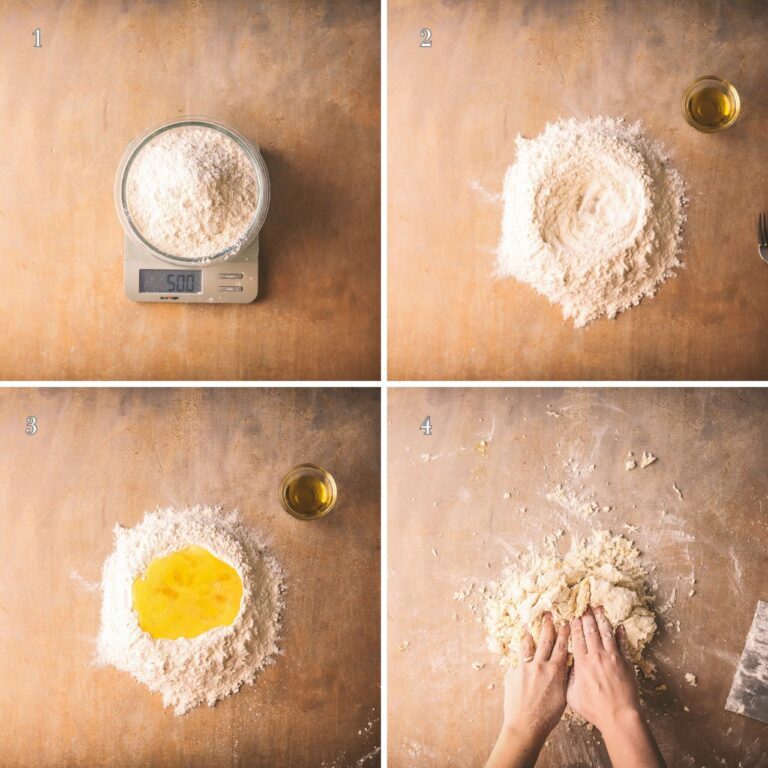
As we conclude our exploration into the world of pasta flours, it is clear that selecting the right ingredient is an art form that significantly elevates your homemade creations. From understanding the fundamental differences in flour types to practically applying this knowledge through testing and recipe adjustments, each step contributes to mastering the perfect pasta dough. By considering the interplay of flour characteristics with desired textures, pasta shapes, and environmental conditions, you are now equipped to confidently choose the ideal flour or blend.
We encourage you to experiment, embrace the learning process, and savor the rewarding experience of crafting exceptional pasta from scratch, one perfectly chosen flour at a time.