As How to Infuse Olive Oil for Flavoring Pasta Dough takes center stage, this opening passage beckons readers into a world crafted with good knowledge, ensuring a reading experience that is both absorbing and distinctly original.
Embark on a culinary adventure as we delve into the art of transforming simple olive oil into a vessel of exquisite flavor, specifically designed to elevate your homemade pasta dough. This guide will equip you with the foundational principles of flavor infusion, the secrets to selecting the perfect olive oil and ingredients, and the practical techniques to create your own aromatic oils.
Discover how this simple yet impactful step can unlock new dimensions of taste and texture in your pasta dishes, making every bite a memorable experience.
Understanding the Basics of Flavor Infusion
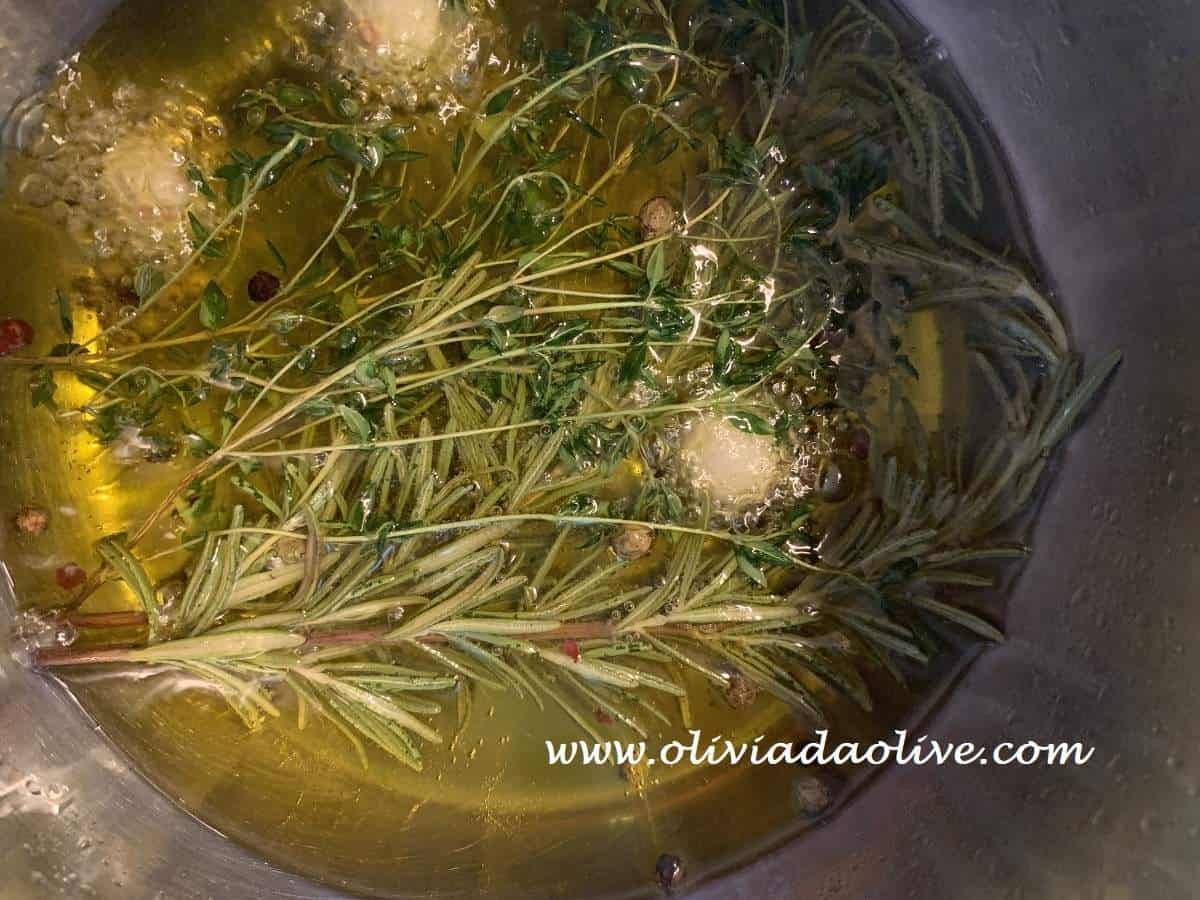
Flavor infusion is a culinary technique that allows us to imbue a neutral base ingredient, such as olive oil, with the distinct tastes and aromas of other foods. This process relies on the principle of solubility, where fat-soluble compounds from herbs, spices, garlic, or chilies dissolve into the olive oil over time, creating a more complex and flavorful culinary ingredient.
By carefully selecting and combining ingredients, home cooks can transform a pantry staple into a gourmet enhancer for a wide array of dishes.The fundamental principle of flavor infusion in olive oil involves extracting aromatic and flavorful compounds from various ingredients. These compounds are often lipophilic, meaning they readily dissolve in fats and oils. When herbs, spices, or other aromatics are introduced to olive oil, especially with gentle heat or over an extended period, these soluble flavor molecules migrate from the solid ingredients into the liquid oil.
This transfer creates a homogeneous mixture where the essence of the infused ingredients is evenly distributed throughout the oil.
Principles of Flavor Extraction into Olive Oil
Flavor extraction into olive oil is primarily driven by diffusion and solubility. The process begins with the cell walls of the flavoring ingredients being broken down, either through chopping, crushing, or gentle heating. This breakdown exposes the flavorful compounds within. Olive oil, acting as a solvent, then begins to absorb these compounds. The rate and efficiency of this extraction are influenced by several factors:
- Temperature: Gentle warming can accelerate the release of volatile compounds, but excessive heat can degrade delicate flavors and potentially damage the oil. Cold infusion, while slower, often preserves fresher, brighter notes.
- Time: Allowing sufficient contact time between the flavoring agent and the oil is crucial for thorough extraction. This can range from a few hours for delicate herbs to several days or even weeks for robust spices or dried ingredients.
- Surface Area: Smaller pieces or finely chopped ingredients offer a greater surface area for the oil to interact with, leading to a more efficient flavor transfer.
- Ingredient Quality: The freshness and quality of the herbs, spices, or other ingredients directly impact the final flavor profile of the infused oil.
Benefits of Infused Olive Oil in Pasta Dough
Incorporating infused olive oil into pasta dough offers several advantages over using regular olive oil. The infused oil not only contributes to the texture and pliability of the dough but also subtly flavors the pasta itself from within, creating a more integrated and nuanced taste experience.
- Enhanced Flavor Profile: Infused olive oil adds a layer of flavor directly to the pasta dough, which regular olive oil cannot provide. This means the pasta itself carries the essence of the infused ingredients, complementing the sauce rather than just being a neutral carrier.
- Aromatic Qualities: The volatile compounds in the infused oil release their aromas as the pasta cooks, contributing to a more immersive culinary experience.
- Culinary Versatility: Different infusions can be tailored to specific pasta dishes. For example, garlic-infused oil can enhance a simple Aglio e Olio, while chili-infused oil can add a kick to arrabbiata.
- Improved Texture: Like regular olive oil, infused oil contributes to the elasticity and tenderness of the pasta dough, resulting in a smoother mouthfeel.
Reasons for Home Cooks to Infuse Olive Oil
Home cooks often choose to infuse their own olive oil for a variety of compelling reasons, driven by a desire for greater control over ingredients, unique flavor creations, and a more rewarding cooking process.
- Customization and Creativity: Infusing allows cooks to create unique flavor combinations not readily available in commercial products. This empowers culinary experimentation and the development of signature dishes.
- Freshness and Quality Control: By infusing at home, cooks can ensure they are using the freshest herbs and high-quality olive oil, avoiding artificial additives or preservatives sometimes found in store-bought infused oils.
- Cost-Effectiveness: For frequent users of infused oils, making them at home can be more economical than purchasing specialty oils, especially when using ingredients from one’s own garden.
- Dietary Considerations: Home infusion provides control over ingredients, making it easier to accommodate specific dietary needs or preferences, such as avoiding certain spices or ensuring vegan compliance.
- The Joy of the Process: Many home cooks find the act of infusing itself to be a satisfying and enjoyable part of the culinary journey, connecting them more deeply with their food.
Selecting the Right Olive Oil for Infusion
Choosing the correct olive oil is paramount to achieving a delicious and nuanced flavor profile when infusing. The quality and type of oil directly influence how well it absorbs and carries the desired flavors, ultimately impacting the final taste of your pasta dough. Understanding the characteristics of different olive oils will help you make an informed decision for optimal results.The foundation of any successful infusion lies in the quality of the base ingredient.
Using fresh, high-quality olive oil ensures that the infused oil will have a clean, vibrant flavor that complements, rather than masks, the added aromatics. Stale or low-quality oil can introduce off-flavors and may not absorb infusions as effectively, leading to a less satisfying outcome.
Olive Oil Grades and Their Suitability for Infusion
Understanding the distinctions between various olive oil grades is crucial for selecting the best option for your infusion. Each grade has a unique flavor profile and chemical composition that affects its performance.
- Extra Virgin Olive Oil (EVOO): This is the highest grade of olive oil, produced solely by mechanical means without the use of heat or chemicals. It is characterized by its low acidity, robust flavor, and rich aroma. EVOO is generally the preferred choice for infusions due to its superior flavor and health benefits. Its fruity and sometimes peppery notes can beautifully enhance the infused flavors.
- Virgin Olive Oil: This grade is also produced mechanically but may have slightly higher acidity and a less refined flavor profile than EVOO. While still a good option, it might not impart the same depth of flavor as EVOO.
- Other Grades (e.g., Olive Oil, Light Olive Oil): These oils are often a blend of virgin olive oil and refined olive oil. Refined olive oil undergoes processing that removes defects and neutralizes flavor and aroma. While these oils have a higher smoke point and a more neutral taste, which can be beneficial for certain high-heat cooking applications, they are generally less suitable for flavor infusion where the inherent quality and flavor of the oil are desired to meld with the infused ingredients.
For flavoring pasta dough, the distinct character of EVOO is typically preferred.
Factors to Consider for Olive Oil Selection
Beyond the grade, several other factors contribute to selecting the ideal olive oil for infusing. These considerations ensure your infusion is both safe and flavorful.
Smoke Point and Flavor Profile
The smoke point of an oil refers to the temperature at which it begins to smoke and break down. For flavor infusions, especially those that might involve gentle heating, understanding the smoke point is important for preserving the integrity of both the oil and the infused flavors.
- Extra Virgin Olive Oil: Typically has a smoke point ranging from 375°F to 405°F (190°C to 207°C). While this is suitable for many infusion methods, care should be taken not to overheat it, as this can degrade its delicate flavors and beneficial compounds. The inherent flavor of EVOO is complex, ranging from grassy and herbaceous to fruity and peppery, which can add a delightful layer to your infused oil.
- Virgin Olive Oil: Its smoke point is similar to EVOO, and its flavor is also a consideration.
- Refined Olive Oils (often labeled simply “Olive Oil” or “Light Olive Oil”): These oils have a higher smoke point, often above 400°F (204°C). Their neutral flavor is advantageous when you want the infused ingredients to be the sole focus without any competing oil notes. However, for pasta dough, where the richness of olive oil is often a desired component, the flavor of EVOO is usually more impactful.
“The best olive oil for flavor infusion is one that possesses a clean, fresh taste and a desirable flavor profile that will complement your chosen aromatics, rather than overpower them.”
Freshness and Quality Indicators
The freshness of your olive oil is a critical determinant of the success of your infusion. Stale oil can impart bitter or rancid notes.
- Look for harvest dates: Ideally, choose an olive oil with a recent harvest date. Olive oil is a fresh product and its quality degrades over time.
- Consider the packaging: Dark glass bottles or opaque containers help protect the oil from light, which can cause oxidation and spoilage.
- Trust your senses: A fresh, high-quality olive oil should smell fruity and clean, with no signs of rancidity (which smells like crayons or old nuts). Its taste should be pleasant, with a slight peppery finish being a good sign of freshness and antioxidant content.
Choosing Ingredients for Flavor Infusion
The art of infusing olive oil lies in selecting ingredients that will impart their essence beautifully into the oil, creating a versatile flavoring agent for your pasta dough. The right choices will elevate your homemade pasta from simple to sublime, offering a depth of flavor that store-bought alternatives simply cannot match. This section will guide you through selecting the best herbs, spices, and aromatic vegetables to achieve your desired flavor profiles.The foundation of a successful flavor infusion is the quality and type of ingredients you choose.
Consider the impact each ingredient will have on the final taste and aroma of your pasta dough. It’s about harmonizing flavors and understanding how different components interact with the olive oil.
Herbs and Spices for Pasta Dough
A wide array of herbs and spices can be used to infuse olive oil for pasta dough, each bringing its unique character. When selecting, consider the traditional flavor pairings for pasta dishes, but don’t hesitate to experiment.
- Rosemary: Offers a pungent, pine-like aroma and flavor that pairs exceptionally well with robust pasta doughs, particularly those made with whole wheat or semolina flour. It’s excellent for savory applications.
- Thyme: Provides a more delicate, earthy, and slightly minty note. It complements a broader range of pasta doughs and can be used in both savory and subtly sweet applications.
- Oregano: Delivers a strong, peppery, and slightly bitter flavor, characteristic of Mediterranean cuisine. It’s a classic choice for tomato-based pasta doughs or those intended for Italian-inspired dishes.
- Basil: Imparts a sweet, peppery, and slightly anise-like flavor. Fresh basil is best for a bright, summery taste, while dried basil offers a more concentrated, earthy profile.
- Chili Flakes (Red Pepper Flakes): Introduce a gentle warmth and a subtle spicy kick. The intensity can be controlled by the amount used, making it ideal for adding a touch of heat without overwhelming other flavors.
- Black Peppercorns: Whole peppercorns release a more nuanced pepper flavor than ground pepper, offering a pleasant pungency and aroma that enhances savory doughs.
- Garlic Powder or Granules: While fresh garlic is discussed below, garlic powder or granules can offer a more consistent and less “burnt” garlic flavor when infused into oil, especially for long infusions.
Fresh Versus Dried Herbs
The choice between fresh and dried herbs significantly impacts the flavor and infusion process. Both have their merits, and understanding their characteristics will help you achieve the desired outcome.Fresh herbs generally offer a brighter, more vibrant, and nuanced flavor. Their water content is higher, which can slightly alter the infusion process and may require a longer steeping time for full flavor extraction.
The visual appeal of fresh herbs can also be a bonus, though they are typically removed before dough preparation.Dried herbs, on the other hand, have a more concentrated flavor due to the removal of moisture. They can infuse oil more quickly and intensely. However, they can sometimes impart a more “hay-like” or less fresh taste if over-infused or if the herbs are old.
It is crucial to use high-quality, properly stored dried herbs.
Aromatic Vegetables for Oil Infusion
Aromatic vegetables are potent flavor enhancers that can transform simple olive oil into a complex flavoring agent. Their preparation and infusion method are key to unlocking their best qualities.
- Garlic: Offers a pungent, savory, and slightly sweet flavor when cooked or infused. For oil infusion, it’s best to use whole cloves or thinly sliced garlic. Slicing thinly increases surface area for better oil penetration. It’s important to ensure the garlic does not burn during the infusion process, as this will result in a bitter taste. A gentle, low-heat infusion is recommended.
- Chili Peppers: Can range from mildly warm to intensely hot, depending on the variety. For oil infusion, dried chili peppers, or fresh chilies that have been sliced or even lightly bruised, work well. Removing the seeds and membranes will reduce the heat level. Varieties like Ancho or Guajillo offer smoky, mild heat, while bird’s eye chilies provide significant spice.
- Onions and Shallots: While less common for direct olive oil infusion for pasta dough compared to garlic and chili, thinly sliced and gently sautéed onions or shallots can add a subtle sweetness and depth. However, their higher moisture content requires careful handling to prevent spoilage.
The flavor profile of garlic is complex; raw garlic is sharp and biting, while gently cooked or infused garlic becomes sweeter and more mellow. Chili peppers offer a spectrum of heat and fruity notes. For instance, jalapeños provide a fresh, grassy heat, while dried chipotle peppers lend a smoky, earthy flavor.
Ingredient Combinations for Specific Pasta Dough Flavor Profiles
Designing ingredient combinations allows for tailored flavor experiences. These pairings are suggestions, and experimentation is encouraged to discover your personal favorites.
| Pasta Dough Flavor Profile | Recommended Ingredients | Flavor Description |
|---|---|---|
| Classic Italian Savory | Rosemary, Thyme, Whole Black Peppercorns, Garlic Cloves (lightly smashed) | A robust, aromatic blend with earthy and peppery notes, perfect for hearty pasta dishes. |
| Spicy Mediterranean | Oregano, Red Pepper Flakes, Garlic Slices | A vibrant and warming infusion with a pleasant kick, ideal for pasta with tomato or vegetable sauces. |
| Herbal & Bright | Fresh Basil Leaves (dried if unavailable, added later in infusion), Lemon Zest (dried) | A fresh, slightly citrusy, and aromatic oil that complements lighter pasta dishes and seafood. |
| Smoky & Mildly Spicy | Dried Ancho Chili Peppers (halved), Garlic Powder | A subtle smoky depth with a gentle warmth, offering a unique flavor for a variety of pasta preparations. |
Methods of Olive Oil Infusion
Infusing olive oil allows you to imbue it with a spectrum of flavors, transforming a simple pantry staple into a culinary enhancer. The method chosen significantly impacts the final taste, aroma, and shelf life of your infused oil. Understanding these different approaches will empower you to select the technique best suited to your desired outcome and available time.There are two primary methods for infusing olive oil: cold infusion and hot infusion.
Each method leverages heat (or the absence thereof) to extract flavor compounds from your chosen ingredients into the olive oil. The choice between them depends on the type of ingredients used, the desired intensity of flavor, and the time you have available.
Cold Infusion Method
The cold infusion method involves steeping ingredients in olive oil at room temperature for an extended period. This gentle approach is ideal for delicate herbs and ingredients that might degrade or lose their nuanced flavors under heat. It requires patience, as the flavors develop gradually.
Advantages of Cold Infusion
- Preserves delicate flavors and aromas of fresh herbs and ingredients.
- Reduces the risk of scorching or burning ingredients, which can impart bitter notes.
- Results in a cleaner, brighter flavor profile.
- Generally leads to a longer shelf life for the infused oil.
Disadvantages of Cold Infusion
- Requires a longer waiting period, often several weeks, for optimal flavor development.
- May not be as effective for extracting flavors from tougher ingredients like dried spices or roots.
- Flavor intensity might be less pronounced compared to hot infusion.
Hot Infusion Method
The hot infusion method involves gently heating the olive oil with the flavor-infusing ingredients. This process speeds up the extraction of flavor compounds, allowing for a quicker turnaround. However, it requires careful temperature control to avoid damaging the ingredients or the oil.
Process and Precautions for Hot Infusion
The process typically involves combining olive oil and ingredients in a saucepan or a double boiler. The mixture is then heated gently over low heat, never allowing it to boil or simmer vigorously. The ideal temperature is usually between 140°F and 180°F (60°C and 82°C). Using a double boiler is highly recommended as it provides a more consistent and gentle heat.Precautions are crucial to ensure a safe and successful infusion:
- Temperature Control: Never let the oil boil. High temperatures can degrade the oil and burn the ingredients, leading to off-flavors.
- Ingredient Moisture: Ensure all ingredients are thoroughly dried before adding them to the oil. Any moisture can lead to spoilage and potential bacterial growth.
- Vigilance: Do not leave the heating oil unattended.
- Ventilation: Ensure good ventilation, especially when infusing ingredients that might release strong aromas.
Comparison of Time Commitment and Flavor Intensity
The primary differences between cold and hot infusion lie in the time required and the resulting flavor intensity.
| Method | Time Commitment | Flavor Intensity | Best For |
|---|---|---|---|
| Cold Infusion | Weeks to months | Subtle, nuanced, clean | Fresh herbs, delicate aromatics |
| Hot Infusion | Minutes to hours | Bolder, more robust | Dried spices, tougher ingredients, quick flavor boost |
Step-by-Step Procedure: Basic Cold Infusion of Rosemary and Garlic
This method is perfect for capturing the fresh, aromatic essence of rosemary and the savory depth of garlic.
- Prepare Ingredients: Gently bruise 2-3 sprigs of fresh rosemary to release their oils. Peel and lightly smash 2-3 cloves of garlic.
- Combine: Place the prepared rosemary and garlic into a clean, dry glass jar.
- Add Oil: Pour approximately 1 cup of good quality extra virgin olive oil over the ingredients, ensuring they are fully submerged.
- Seal and Store: Seal the jar tightly and store it in a cool, dark place.
- Infuse: Allow the oil to infuse for at least 1 to 2 weeks, shaking the jar gently every few days. For a more intense flavor, you can infuse for up to 4 weeks.
- Strain (Optional): Once the desired flavor is achieved, you can strain out the solids using a fine-mesh sieve or cheesecloth for a clearer oil.
Step-by-Step Procedure: Basic Hot Infusion of Chili Flakes and Oregano
This method is excellent for extracting the heat from chili flakes and the robust flavor of dried oregano quickly.
- Prepare Ingredients: Measure 1-2 tablespoons of dried chili flakes and 1 tablespoon of dried oregano.
- Combine: Place the chili flakes and oregano into a small, heatproof saucepan.
- Add Oil: Pour approximately 1 cup of olive oil into the saucepan with the ingredients.
- Gentle Heating: Place the saucepan over very low heat. The oil should warm up slowly, and you should see small bubbles forming around the ingredients, but it should never boil or simmer vigorously. Maintain a temperature between 140°F and 180°F (60°C and 82°C).
- Infuse: Let the mixture gently heat for 20-30 minutes, stirring occasionally.
- Cool and Strain: Remove the saucepan from the heat and let the oil cool completely. Once cooled, strain the oil through a fine-mesh sieve or cheesecloth into a clean, dry glass bottle or jar.
- Store: Seal the container and store in a cool, dark place. This oil can be used immediately for a quick flavor boost.
Incorporating Infused Olive Oil into Pasta Dough
Now that you have successfully infused your olive oil with delightful flavors, the next exciting step is to integrate this aromatic oil into your homemade pasta dough. This process is straightforward and allows you to elevate your pasta dishes from ordinary to extraordinary with a subtle yet distinct taste.When creating pasta dough, the ratio of liquid to dry ingredients is crucial for achieving the right texture.
Infused olive oil, while still a fat, can introduce a slightly different viscosity compared to plain olive oil or other liquids like water or eggs. Understanding how to incorporate it effectively ensures your pasta is tender, flavorful, and easy to work with.
Substituting Infused Olive Oil in Standard Pasta Dough Recipes
A standard pasta dough recipe typically calls for a specific amount of liquid, often a combination of eggs and water, or just eggs, with a small amount of olive oil for richness and elasticity. To incorporate your infused olive oil, you will generally substitute it directly for the regular olive oil called for in the recipe. If the recipe does not explicitly call for olive oil but relies solely on eggs and flour, you can introduce a tablespoon or two of infused oil to enhance the dough’s texture and flavor.
Optimal Amount of Infused Olive Oil for Flavor
Determining the ideal quantity of infused olive oil is key to achieving a noticeable flavor without compromising the pasta’s structure. Too little oil may result in a flavor that is undetectable, while too much can make the dough too greasy or difficult to handle. For a typical batch of pasta dough yielding about 1 pound of flour, starting with 1 to 2 tablespoons of infused olive oil is a good guideline.
This amount usually provides a discernible flavor profile without altering the dough’s fundamental consistency. You can always adjust this slightly in future batches based on your preference and the intensity of your infusion.
Gently Folding Infused Oil into Dry Ingredients
The incorporation of infused olive oil is best done during the initial mixing stages of your pasta dough. When using a stand mixer with a paddle attachment, or when mixing by hand, add the infused olive oil to the dry ingredients (flour and salt) before introducing the wet ingredients (eggs, water, or other liquids). This allows the oil to coat the flour particles, promoting a more even distribution of flavor and a tender crumb.
If mixing by hand, create a well in the center of your flour mixture, pour in the infused oil, and then gradually incorporate the flour from the sides.
Adjusting Liquid Content Based on Oil Viscosity
The viscosity of your infused olive oil might differ slightly from standard olive oil, especially if it contains finely minced herbs or spices. If your infused oil appears significantly thicker or thinner than expected, you may need to make minor adjustments to the liquid content of your dough.Here are some tips for managing dough consistency:
- Thicker Infused Oil: If your infused oil is noticeably thicker, you might need to add a tiny bit more liquid (water or a splash of egg) to the dough to achieve the desired consistency. Add the extra liquid very gradually, a teaspoon at a time, to avoid making the dough too wet.
- Thinner Infused Oil: Conversely, if your infused oil is quite thin, it might not require any adjustment. However, if you notice the dough becoming too sticky or wet during mixing, you can add a tablespoon of flour at a time until it reaches the correct elasticity.
- Visual Cues: Pay close attention to the dough’s texture. It should be firm but pliable, not sticky or crumbly. The ideal dough will spring back slowly when gently pressed.
Storage and Shelf Life of Infused Olive Oil
Proper storage is paramount to preserving the delicate flavors and quality of your homemade infused olive oil, ensuring it remains a delightful addition to your culinary creations for as long as possible. Adhering to best practices will prevent spoilage and maintain the integrity of the infusion.The shelf life of your infused olive oil is influenced by several factors, including the ingredients used and the method of infusion.
Generally, infused oils are best enjoyed fresh, but with careful handling, they can retain their quality for a significant period.
Proper Storage Techniques
To ensure your infused olive oil maintains its freshness and prevents spoilage, follow these essential storage guidelines. These practices help to protect the oil from light, heat, and air, which are the primary culprits of degradation.
- Store infused olive oil in dark glass bottles. This is crucial as light can accelerate the oxidation process, leading to a shorter shelf life and a decline in flavor.
- Keep the bottles in a cool, dark place, such as a pantry or cupboard, away from direct sunlight and heat sources like stoves or ovens.
- Ensure the bottle cap is tightly sealed after each use. Exposure to air can introduce oxygen, causing the oil to become rancid more quickly.
- Avoid refrigerating infused olive oil unless specific ingredients like fresh herbs or garlic were used and you are concerned about microbial growth. Refrigeration can cause some oils to solidify and may affect their texture and flavor upon returning to room temperature.
Expected Shelf Life of Infused Olive Oil
The duration for which your infused olive oil will remain at its peak quality varies depending on the ingredients and the infusion process. Understanding these variations will help you manage your supply effectively.The shelf life can be broadly categorized based on the infusion components:
- Oils infused with dried herbs and spices: These tend to have the longest shelf life, often lasting for 6 to 12 months when stored properly. The lack of moisture in dried ingredients inhibits bacterial growth.
- Oils infused with fresh herbs and garlic: These have a shorter shelf life, typically ranging from 2 to 4 weeks. Fresh ingredients contain moisture, which can promote the growth of bacteria and botulism if not handled with extreme care and consumed promptly. It is vital to use fresh, high-quality ingredients and to store these infusions in the refrigerator, discarding them if any signs of spoilage appear.
- Oils infused with citrus zest: These can last for several months, generally 3 to 6 months, when stored correctly. The acidity of the citrus can offer some preservative qualities.
The presence of moisture from fresh ingredients significantly reduces the shelf life of infused olive oil and necessitates stricter storage and consumption timelines.
Indicators of Rancidity
Recognizing the signs of rancidity is essential for food safety. Rancid oil not only loses its desirable flavor but can also be unpleasant and potentially harmful to consume.Signs that indicate infused olive oil has gone rancid and should be discarded include:
- Odor: A primary indicator is a change in smell. Fresh olive oil has a fruity, grassy, or peppery aroma. Rancid oil develops a distinct unpleasant odor, often described as waxy, crayon-like, metallic, or even like stale nuts.
- Taste: A rancid oil will taste off. It may be bitter, acrid, or simply lack the intended flavor profile of the infusion.
- Appearance: While less common, a significant change in color or a cloudy appearance, especially if it wasn’t initially cloudy, could also suggest spoilage. However, subtle changes in color are not always indicative of rancidity.
Visual and Olfactory Description of Properly Stored Infused Olive Oil
When your infused olive oil is stored correctly, it will present itself with distinct characteristics that confirm its freshness and quality. These sensory cues are the best indicators of a well-preserved product.Properly stored infused olive oil should look and smell appealing:
- Visual Appearance: The oil will typically be clear and vibrant in color, reflecting the hue of the olive oil base and the infused ingredients. For example, oil infused with chili peppers might have a reddish tint, while basil-infused oil might retain a greenish hue. There should be no visible cloudiness or sediment, unless the infusion method naturally creates very fine particles that settle over time.
- Aroma: The scent should be clean and reflective of the ingredients used. If you infused with rosemary, you should smell rosemary. If you used garlic, a pleasant garlic aroma would be present. The overall aroma should be fresh and inviting, without any hint of staleness or unpleasantness.
Troubleshooting Common Infusion Issues
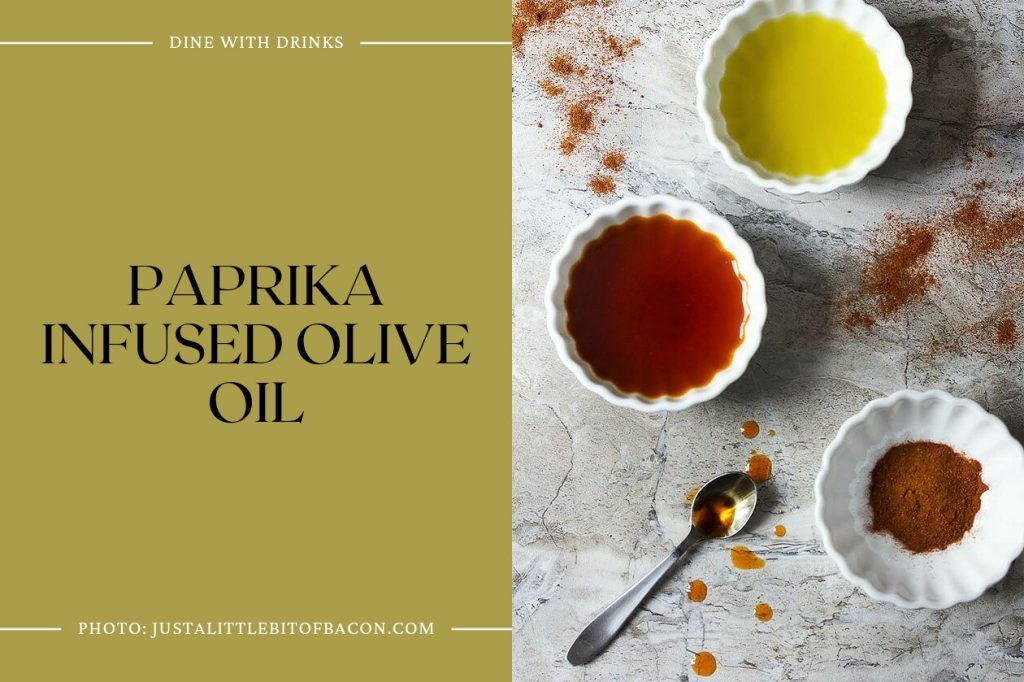
While the process of infusing olive oil is generally straightforward, occasional challenges can arise. Understanding these common issues and their solutions will help you achieve the best possible flavor and quality in your infused oils. This section will guide you through identifying and resolving problems, ensuring your infused olive oil is perfect for your pasta dough and beyond.
Preventing and Addressing Mold Growth
Mold is a sign of spoilage and indicates that the infusion process has gone awry, often due to the presence of moisture or insufficient preservation. It’s crucial to prevent mold from forming in the first place, but if it appears, the batch should be discarded to avoid health risks.
Key preventive measures include:
- Ensuring all ingredients used are completely dry before adding them to the oil. Even a small amount of water can encourage mold.
- Using fresh, high-quality ingredients. Older or wilting ingredients are more prone to spoilage.
- Maintaining proper storage conditions for the infused oil, keeping it in a cool, dark place.
- Using clean, sterilized jars and equipment throughout the infusion process.
Managing Off-Flavors and Aroma
Off-flavors or unpleasant aromas in your infused oil can stem from various sources, including the quality of ingredients, the infusion method, or prolonged exposure to air. Identifying the cause is the first step to rectifying the issue.
Common causes and their solutions include:
- Rancidity: This is often due to using old or poor-quality olive oil, or exposing the oil to heat and light for too long. To prevent this, always start with fresh, good-quality olive oil and store your infused oil in a dark, cool place. If the oil smells rancid, it’s best to discard it.
- Burnt or Bitter Flavors: This can occur if herbs or spices are heated too intensely during the infusion process, particularly with the heat infusion method. If the flavor is only slightly bitter, you might be able to mask it by blending it with a fresh batch of un-infused oil or by using it in cooked dishes where the bitterness is less noticeable.
- Earthy or Musty Flavors: This often indicates that the ingredients were not properly dried or that there was some microbial activity. Ensure all ingredients are thoroughly dry and consider a shorter infusion time for delicate ingredients.
Resolving Cloudy Oil and Sediment Development
Cloudiness or sediment in infused olive oil can be a natural occurrence or a sign of a minor issue. Understanding the difference will help you determine if your oil is still safe and palatable.
Here’s how to handle these situations:
- Natural Sediment: Some ingredients, like dried chilies or garlic, can naturally break down over time and release small particles into the oil, creating a fine sediment. This is usually harmless. You can clarify the oil by carefully decanting it into a clean bottle, leaving the sediment behind, or by filtering it through a fine-mesh sieve lined with cheesecloth.
- Cloudiness from Moisture: If cloudiness appears suddenly and seems uniform throughout the oil, it might indicate the presence of water. This can lead to spoilage. If you suspect water contamination, it’s safest to discard the oil. Rigorous drying of ingredients and clean equipment are paramount to prevent this.
- Cloudiness from Ingredient Breakdown: Some fresh ingredients, especially when not fully dried, can cause the oil to become cloudy as they break down. This can also affect the flavor. Straining out the ingredients and storing the oil in a cool, dark place may help stabilize it, but if the cloudiness persists and is accompanied by off-odors, discarding is recommended.
Salvaging Unexpected Infusion Batches
Not every infusion turns out exactly as planned, but this doesn’t always mean the entire batch is ruined. With a few adjustments, you can often salvage a batch of infused oil that hasn’t quite met your expectations.
Strategies for salvaging include:
- Weak Flavor: If the flavor is too subtle, you can increase its intensity by adding more of the flavoring ingredients and continuing the infusion for a longer period. Alternatively, you can create a more concentrated batch by reducing the oil volume over low heat (being careful not to overheat) or by blending the weak oil with a more potent infusion of the same flavor.
- Overly Strong Flavor: To mellow an intensely flavored oil, blend it with a larger quantity of plain, un-infused olive oil. This dilutes the flavor to a more manageable level. You can also try incorporating it into dishes where its strong flavor can be a deliberate and complementary component, such as in marinades or dressings.
- Slightly Off-Flavor: If the off-flavor is mild and not indicative of spoilage (like rancidity), you might be able to mask it by infusing a fresh batch of oil with complementary ingredients that have a stronger or more desirable aroma. Blending these two batches can create a more balanced flavor profile.
Creative Applications and Flavor Pairings
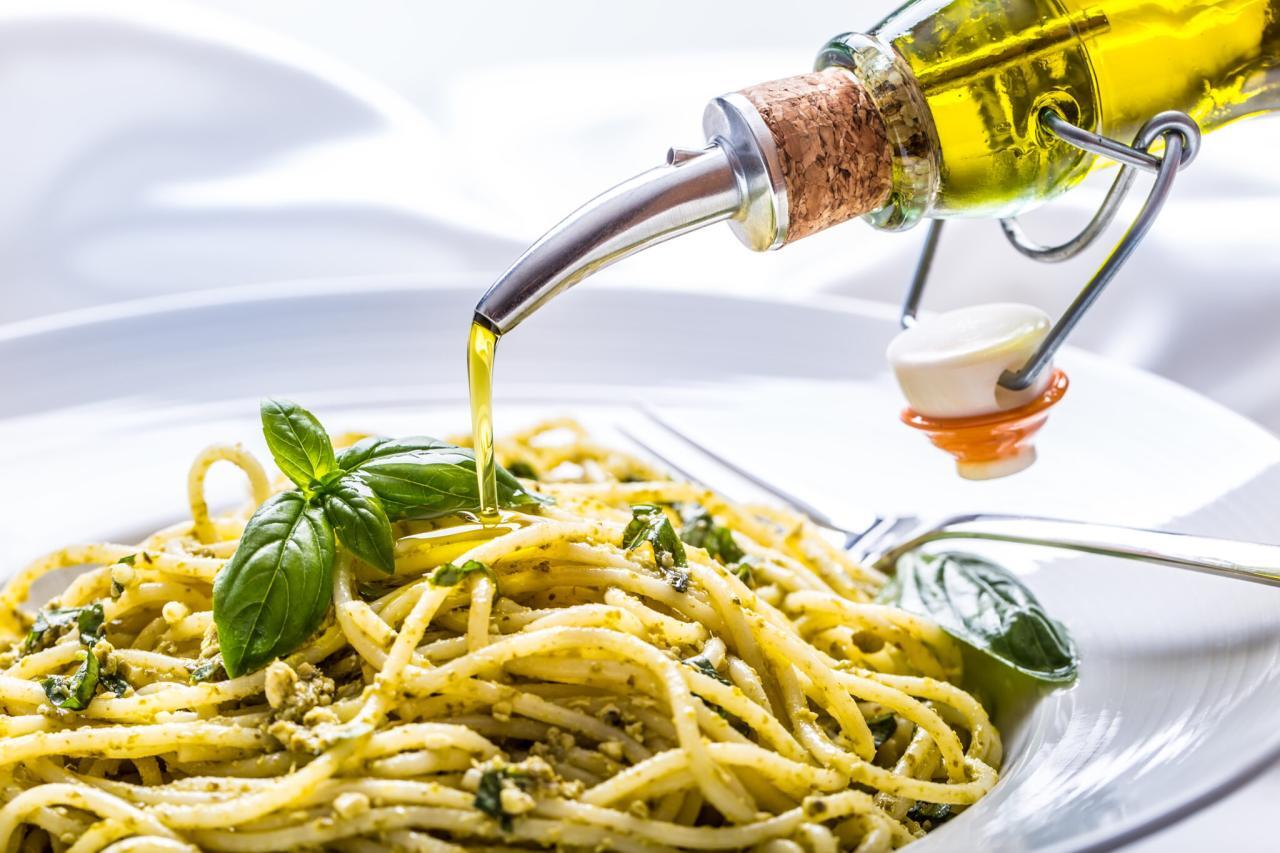
Infusing olive oil opens a world of culinary creativity, allowing you to imbue your pasta dough with subtle yet distinct flavors. This technique elevates simple pasta into a gourmet experience, offering a foundation that harmonizes beautifully with a variety of sauces and toppings. By thoughtfully pairing your infused oil’s flavor with your chosen accompaniments, you can craft truly memorable dishes.Exploring unique pasta dough flavors is an exciting journey.
The subtle essence of herbs, the warmth of spices, or the zest of citrus can transform the texture and taste of your homemade pasta. Consider how these infused oils can act as a secret ingredient, adding depth and complexity that store-bought pasta simply cannot replicate.
Unique Pasta Dough Flavors from Infused Oils
The possibilities for infused pasta dough are vast, limited only by your imagination and the ingredients you choose. Each infusion offers a distinct profile that can redefine your pasta dishes.
- Garlic & Rosemary Infused Dough: This classic combination lends a savory, aromatic depth to pasta. The robust notes of garlic and the piney fragrance of rosemary create a sophisticated base for many dishes.
- Chili & Smoked Paprika Infused Dough: For those who enjoy a touch of heat and smokiness, this infusion is ideal. It adds a gentle warmth and a subtle smoky undertone that is particularly pleasing in spicier preparations.
- Lemon & Thyme Infused Dough: A bright and herbaceous option, this infusion offers a refreshing citrusy note balanced by the earthy aroma of thyme. It’s perfect for lighter, more delicate pasta creations.
- Basil & Sundried Tomato Infused Dough: This infusion brings the vibrant flavors of the Mediterranean. The sweet, peppery notes of basil combined with the concentrated, savory taste of sundried tomatoes create a wonderfully aromatic dough.
- Ginger & Scallion Infused Dough: For an Asian-inspired twist, this infusion offers a zesty, pungent flavor profile. The sharp bite of ginger and the mild oniony notes of scallion can be a delightful surprise in fusion pasta dishes.
Complementary Pasta Sauces and Toppings
The true magic of flavored pasta dough lies in its ability to interact with sauces and toppings. The infused oil’s flavor acts as a bridge, creating a cohesive and harmonious dish.
- Garlic & Rosemary Infused Dough: This robust dough pairs exceptionally well with rich, earthy sauces. Think creamy mushroom sauces, slow-cooked ragus, or even a simple garlic and olive oil sauce. It also complements roasted vegetables and grilled meats.
- Chili & Smoked Paprika Infused Dough: This spicy dough shines with bold, zesty sauces. Tomato-based sauces, particularly those with a kick like arrabiata, or sauces featuring spicy sausage or peppers are excellent choices. It also works well with smoky grilled chicken or fish.
- Lemon & Thyme Infused Dough: The bright and fresh profile of this dough is ideal for lighter, more delicate accompaniments. Seafood sauces, pesto, or simple butter and herb sauces are perfect. It also complements light vegetable dishes and pan-seared fish.
- Basil & Sundried Tomato Infused Dough: This Mediterranean-inspired dough complements classic Italian flavors. It pairs beautifully with marinara sauces, creamy pesto, or simple olive oil-based sauces with fresh tomatoes and mozzarella. It’s also excellent with grilled chicken or shrimp.
- Ginger & Scallion Infused Dough: This unique dough lends itself to fusion cuisine. Consider it with light soy-ginger sauces, stir-fried vegetables, or even a delicate broth-based sauce with Asian aromatics.
Pasta Dishes Benefiting from Flavored Dough
Certain pasta dishes are particularly enhanced by the inclusion of flavored pasta dough, transforming them from ordinary to extraordinary.
- Fettuccine with Wild Mushrooms: Using fettuccine made with garlic and rosemary infused oil creates an intensely savory experience. The earthy mushrooms and creamy sauce are amplified by the aromatic dough.
- Penne Arrabiata with Flavored Dough: Elevating a classic, penne made with chili and smoked paprika infused oil adds an extra layer of warmth and smokiness to the spicy tomato sauce.
- Linguine with Shrimp Scampi: Linguine infused with lemon and thyme offers a bright, herbaceous base for a light and zesty shrimp scampi. The subtle citrus notes in the dough complement the lemon and garlic in the sauce perfectly.
- Tagliatelle with Pesto and Cherry Tomatoes: Tagliatelle made with basil and sundried tomato infused oil provides a flavorful foundation for a vibrant pesto and fresh cherry tomato sauce, enhancing the overall Mediterranean profile.
- Spaghetti with a Light Soy-Ginger Sauce and Bok Choy: Spaghetti infused with ginger and scallion offers an intriguing base for a fusion dish, harmonizing with the Asian-inspired flavors of a soy-ginger sauce and fresh vegetables.
Infused Oil Flavor and Complementary Sauce Pairing Guide
This table provides a quick reference for matching infused oil flavors with suitable sauce types and suggests specific pasta dishes that would benefit from this culinary synergy.
| Infused Oil Flavor | Complementary Sauce Type | Example Pasta Dish |
|---|---|---|
| Garlic & Rosemary | Creamy Mushroom Sauce, Rich Ragu, Garlic & Olive Oil Sauce | Fettuccine with Wild Mushrooms and Cream Sauce |
| Chili & Smoked Paprika | Spicy Tomato Sauce, Bold Marinara, Sausage & Pepper Sauce | Penne Arrabiata with Chili-Infused Dough |
| Lemon & Thyme | Light Seafood Sauce, Pesto, Butter & Herb Sauce | Linguine with Shrimp Scampi and Lemon-Thyme Dough |
| Basil & Sundried Tomato | Marinara, Creamy Pesto, Olive Oil & Fresh Tomato Sauce | Tagliatelle with Pesto and Cherry Tomatoes |
| Ginger & Scallion | Light Soy-Ginger Sauce, Stir-fry Sauce, Broth-Based Asian Sauce | Spaghetti with Asian Vegetables and Ginger-Scallion Dough |
Visualizing the Infusion Process
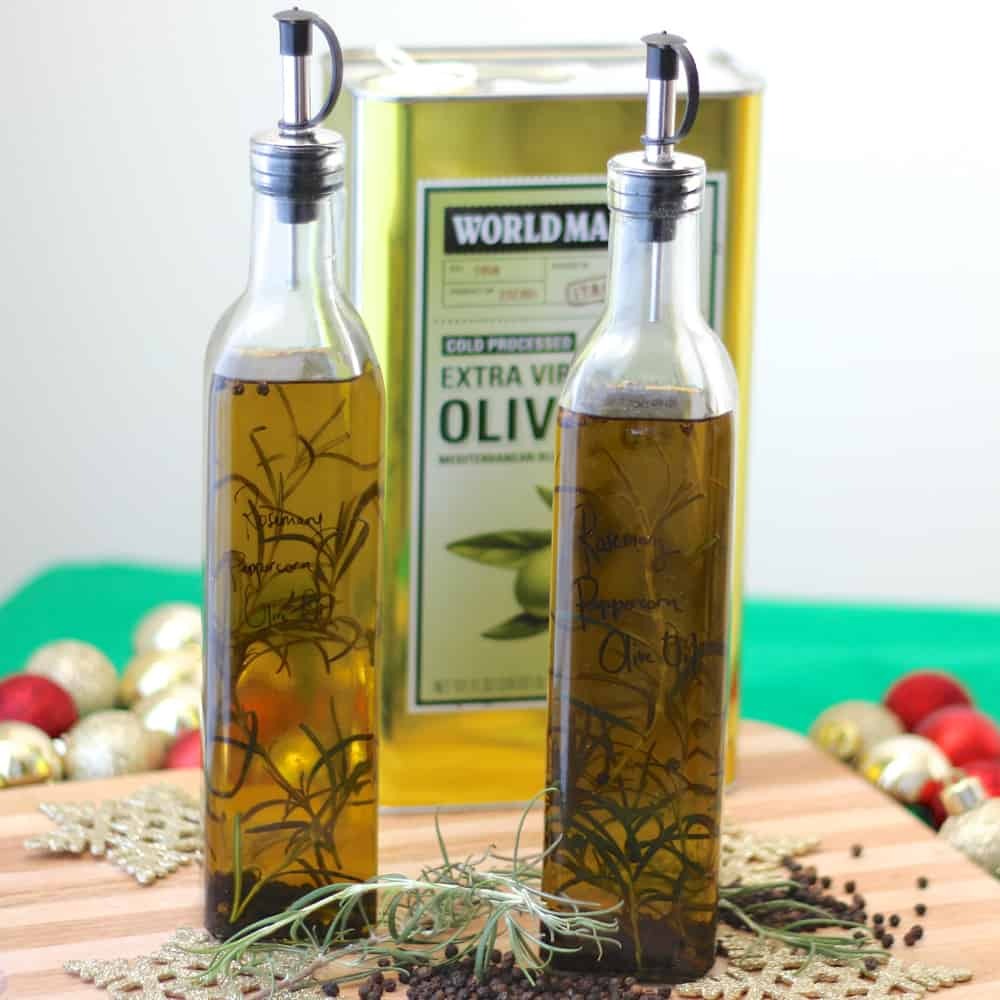
Observing the subtle transformations during olive oil infusion offers a fascinating glimpse into the art of flavor extraction. This process is not just about taste; it’s also a visual journey where the oil gradually takes on the essence of the ingredients it steeps with. Understanding these visual cues can help you gauge the progress and readiness of your infused oil.The visual evolution of olive oil during infusion is a direct reflection of the ingredients’ compounds dissolving into the oil.
As herbs, spices, or other aromatics release their pigments and flavor molecules, the oil’s appearance changes, indicating the infusion’s progress.
Appearance of Infused Oil with Fresh Versus Dried Ingredients
The choice between fresh and dried ingredients significantly impacts the visual outcome of your infused olive oil. Each has its own characteristics that translate into distinct appearances.When using fresh ingredients, such as vibrant green basil leaves or bright red chili peppers, you’ll notice a more immediate and often more pronounced color transfer. For example, basil might impart a subtle, sometimes almost imperceptible, greenish hue to the oil, especially if the infusion is brief.
Rosemary or thyme might lend a faint golden or amber tint. Chili peppers, particularly dried ones, are known for their potent color. A whole dried chili pepper can gradually tint the oil a warm orange or even a reddish-brown, depending on the pepper’s intensity and the duration of infusion. The fresh ingredients, due to their higher water content, might also lead to a slightly cloudier appearance initially, though this often clarifies as the infusion progresses and water evaporates or settles.Dried ingredients, on the other hand, tend to offer a more concentrated and stable color infusion over time.
Dried herbs like oregano or marjoram might contribute a deeper golden or amber tone than their fresh counterparts. Dried spices, such as paprika or turmeric, will yield a much more vibrant and saturated color, turning the oil a rich orange-red or a bright yellow, respectively. The absence of significant moisture in dried ingredients generally results in a clearer infused oil from the outset, with less risk of cloudiness developing.
Visual Cues for Ready-to-Use Infused Oil
Determining when your infused olive oil is ready for use involves observing specific visual characteristics that indicate a well-developed flavor profile and a pleasing aesthetic. The ideal infused oil should possess a balance of color and clarity.The color of the infused oil is a primary indicator. It should have deepened from its original pale yellow or green to a richer hue that reflects the infused ingredients.
For instance, an oil infused with garlic might remain relatively clear but develop a slightly more pronounced golden color. An oil infused with rosemary might take on a subtle green tint, while one with smoked paprika could exhibit a beautiful, warm reddish-orange. The intensity of the color is a good proxy for the strength of the flavor.Clarity is also crucial.
A high-quality infused oil should be clear and free from suspended particles. While some very fine sediment from dried herbs might be present, the oil itself should be transparent, allowing light to pass through without significant cloudiness. A cloudy appearance can sometimes indicate the presence of residual moisture or the breakdown of plant material, which might affect shelf life and flavor.
Visual Cues for Checking Infused Oil Quality
Before you incorporate your homemade infused olive oil into your pasta dough or any other dish, a quick visual inspection can confirm its quality and readiness for consumption. These visual checks ensure that the infusion has been successful and the oil is safe and appealing.Here are the key visual cues to look for:
- Color Intensity: The color should be consistent and vibrant, reflecting the ingredients used. For example, a garlic-infused oil should be clear with a subtle golden tint, while a chili-infused oil should have a noticeable orange or red hue.
- Clarity: The oil should be transparent and free from significant cloudiness or visible particles floating within it. A slight sediment at the bottom of the container is acceptable, especially with dried ingredients, but the oil itself should be clear.
- Absence of Mold or Fermentation Signs: Inspect for any fuzzy growth (mold) or unusual discoloration that might suggest spoilage or an undesirable fermentation process. These are clear indicators that the oil is no longer safe to consume.
- Uniformity of Color: The color should be evenly distributed throughout the oil, without any streaking or patchy areas, which could indicate uneven infusion or settling of ingredients.
A well-infused olive oil will typically look inviting and appetizing, with a color that hints at the flavors within and a clarity that speaks to its freshness and proper preparation.
The visual transformation of olive oil during infusion is a direct indicator of flavor development, with color depth and clarity being paramount for assessing readiness and quality.
Conclusion
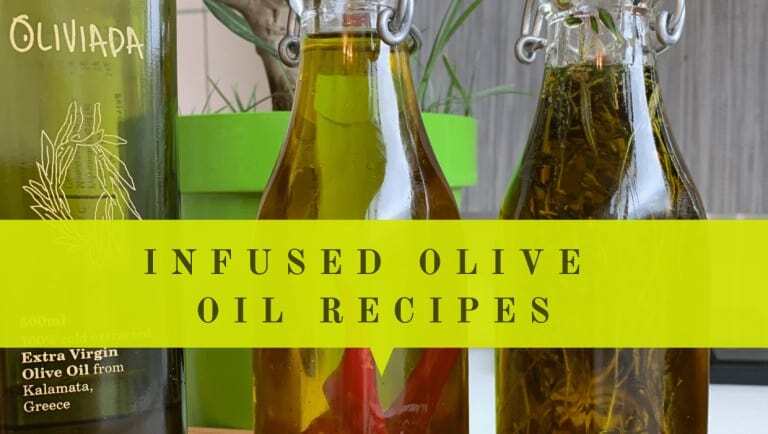
In conclusion, infusing olive oil for your pasta dough is a rewarding endeavor that offers a delightful gateway to enhanced culinary creativity. From understanding the nuances of oil selection and ingredient pairing to mastering infusion methods and proper storage, you are now well-equipped to imbue your pasta with bespoke flavors. Embrace these techniques to not only impress with your cooking but also to savor the deeper, more complex taste profiles that homemade infused oils bring to your table, transforming ordinary pasta into extraordinary meals.