Embark on a culinary adventure with “How to Infuse Your Pasta Dough with Fresh Herbs,” a guide designed to elevate your homemade pasta from simple to sensational. This exploration delves into the art of weaving aromatic herbs directly into the heart of your dough, transforming a basic staple into a vibrant canvas of flavor and fragrance.
Discover the delightful nuances fresh herbs bring, from subtle floral notes to robust, earthy undertones, and learn how to seamlessly integrate them for an unparalleled sensory experience. We will navigate the selection of the perfect herbs, their preparation, and the techniques for achieving a beautifully infused dough, promising a delicious and visually appealing pasta dish every time.
Introduction to Herb-Infused Pasta Dough
Elevating homemade pasta from a simple staple to a culinary masterpiece is an achievable and rewarding endeavor. Infusing your pasta dough with fresh herbs offers a vibrant and aromatic dimension, transforming the texture and taste of your dishes. This technique is not only visually appealing but also introduces subtle yet distinct flavor profiles that can complement a wide array of sauces and ingredients.The appeal of herb-infused pasta lies in its ability to imbue the pasta itself with flavor, rather than relying solely on external sauces.
This integration creates a more harmonious and complex taste experience. Home cooks often seek this method to add a unique personal touch to their cooking, to utilize fresh garden herbs, or to create a more sophisticated dining experience with minimal additional effort. The visual aspect is also a significant draw, with flecks of green herbs adding a beautiful, rustic charm to the finished pasta.
The Sensory Experience of Herb-Infused Pasta
The sensory journey that herb-infused pasta offers is multifaceted, engaging both the palate and the senses of smell and sight. As the pasta cooks, the aroma of the infused herbs is released, creating an inviting and delicious scent that fills the kitchen. This aromatic prelude hints at the fresh flavors to come.Upon tasting, the subtle notes of the herbs are perceived.
Unlike herbs added as a garnish, which can sometimes be overpowering or fall off, infused herbs become an intrinsic part of the pasta’s character. This results in a nuanced flavor that is well-integrated and balanced. The visual appeal is equally important; the vibrant green or other colored flecks of herbs distributed throughout the dough add an artisanal quality, making the dish look as good as it tastes.
The texture of the pasta remains consistent with traditional doughs, ensuring a familiar and satisfying bite, while the added herb notes provide an exciting and novel dimension.
Selecting the Right Herbs
Choosing the correct fresh herbs is paramount to successfully infusing your pasta dough. The goal is to complement, not overpower, the inherent flavors of the pasta and the accompanying sauce. Different herbs offer distinct aromatic profiles, and understanding these nuances will elevate your culinary creations.Herbs can be broadly categorized by their intensity and flavor characteristics, allowing for strategic pairing with various dishes.
This section will guide you through identifying suitable herbs and determining the appropriate quantities for your pasta dough.
Herb Flavor Profiles
Fresh herbs can be grouped based on their dominant flavor notes, which helps in making informed decisions for your pasta dough. This categorization ensures a harmonious blend of tastes and aromas.
- Delicate Herbs: These herbs offer subtle, fragrant notes that are best appreciated when fresh and not overly heated. They are ideal for lighter sauces and when you want the pasta’s flavor to shine through. Examples include:
- Parsley (Flat-leaf and Curly): Offers a clean, slightly peppery, and fresh taste. Flat-leaf parsley has a more robust flavor than curly parsley.
- Chives: Provide a mild oniony flavor with a hint of garlic.
- Dill: Possesses a distinct grassy, slightly anise-like aroma, pairing well with seafood and lemon-based dishes.
- Tarragon: Known for its subtle anise and licorice notes, it’s excellent with chicken and creamy sauces.
- Robust Herbs: These herbs have stronger, more pronounced flavors that can withstand cooking and pair well with richer sauces and heartier dishes.
- Basil: Offers a sweet, peppery, and slightly minty aroma. Sweet basil is the most common, but varieties like Thai basil add an anise note.
- Oregano: Provides a pungent, earthy, and slightly bitter flavor, a staple in Mediterranean cuisine.
- Rosemary: Delivers a strong, pine-like, and slightly woody aroma. Use sparingly as it can be overpowering.
- Thyme: Exhibits an earthy, slightly floral, and minty flavor. Lemon thyme offers a citrusy undertone.
- Peppery Herbs: These herbs add a subtle warmth and a distinctive spicy kick to the dough.
- Arugula: Known for its peppery bite, it adds a slightly bitter and spicy element.
- Watercress: Offers a sharp, peppery flavor with a hint of bitterness.
Herb Selection Based on Sauce and Dish
The choice of herbs for your pasta dough should be a thoughtful consideration of the sauce or dish it will accompany. A well-matched herb can elevate the entire meal, while a mismatch can lead to clashing flavors.When planning your pasta, consider the following pairings:
- Light and Creamy Sauces: Delicate herbs like parsley, chives, and tarragon are excellent choices. They add a fresh aroma without overwhelming the subtle flavors of the sauce. For instance, a lemon-butter sauce would benefit from the bright notes of chives or parsley.
- Tomato-Based Sauces: Robust herbs such as basil and oregano are classic companions. Their strong flavors stand up well to the acidity and richness of tomato sauces, reminiscent of traditional Italian dishes.
- Meat or Vegetable-Based Sauces: Rosemary and thyme are ideal for hearty, savory sauces. Their earthy and slightly woody notes complement the depth of flavors found in ragus or roasted vegetable preparations.
- Seafood Pasta: Dill and parsley are often preferred for seafood dishes. Dill’s fresh, slightly anise-like quality pairs beautifully with fish and shellfish, while parsley adds a clean, bright finish.
- Spicy Dishes: A hint of peppery herbs like arugula can introduce a subtle warmth and complexity to spicy pasta dishes.
Determining Optimal Herb Quantity
The quantity of fresh herbs used in pasta dough is a crucial factor in achieving the desired flavor balance. Too little, and the herb’s presence will be negligible; too much, and it can dominate the pasta and clash with the sauce.A general guideline for a standard pasta dough recipe (typically using 2 cups of flour) is to use approximately 1 to 2 tablespoons of finely chopped fresh herbs.
This quantity can be adjusted based on the herb’s intensity and personal preference.Here’s a breakdown of considerations:
- Herb Intensity: Delicate herbs like parsley or chives can be used in slightly larger quantities (up to 2 tablespoons), while robust herbs like rosemary or thyme should be used more sparingly (starting with 1 tablespoon).
- Personal Preference: Some individuals prefer a stronger herb flavor in their pasta, while others enjoy a more subtle hint. It is always advisable to start with a smaller amount and taste the dough (if safe to do so before cooking) or make a small test batch to gauge the flavor.
- Moisture Content: Fresh herbs contain moisture. When adding them to the dough, you may need to slightly adjust the liquid content of your recipe if the dough becomes too wet. Finely chopping the herbs helps to distribute their flavor and moisture evenly.
It is recommended to finely chop the herbs to ensure they are evenly distributed throughout the dough and do not create large pockets of flavor or texture.
For a standard pasta dough recipe yielding approximately 1 pound of pasta, aim for 1 to 2 tablespoons of finely chopped fresh herbs. Adjust based on the herb’s intensity and your desired flavor profile.
Preparing Fresh Herbs for Infusion
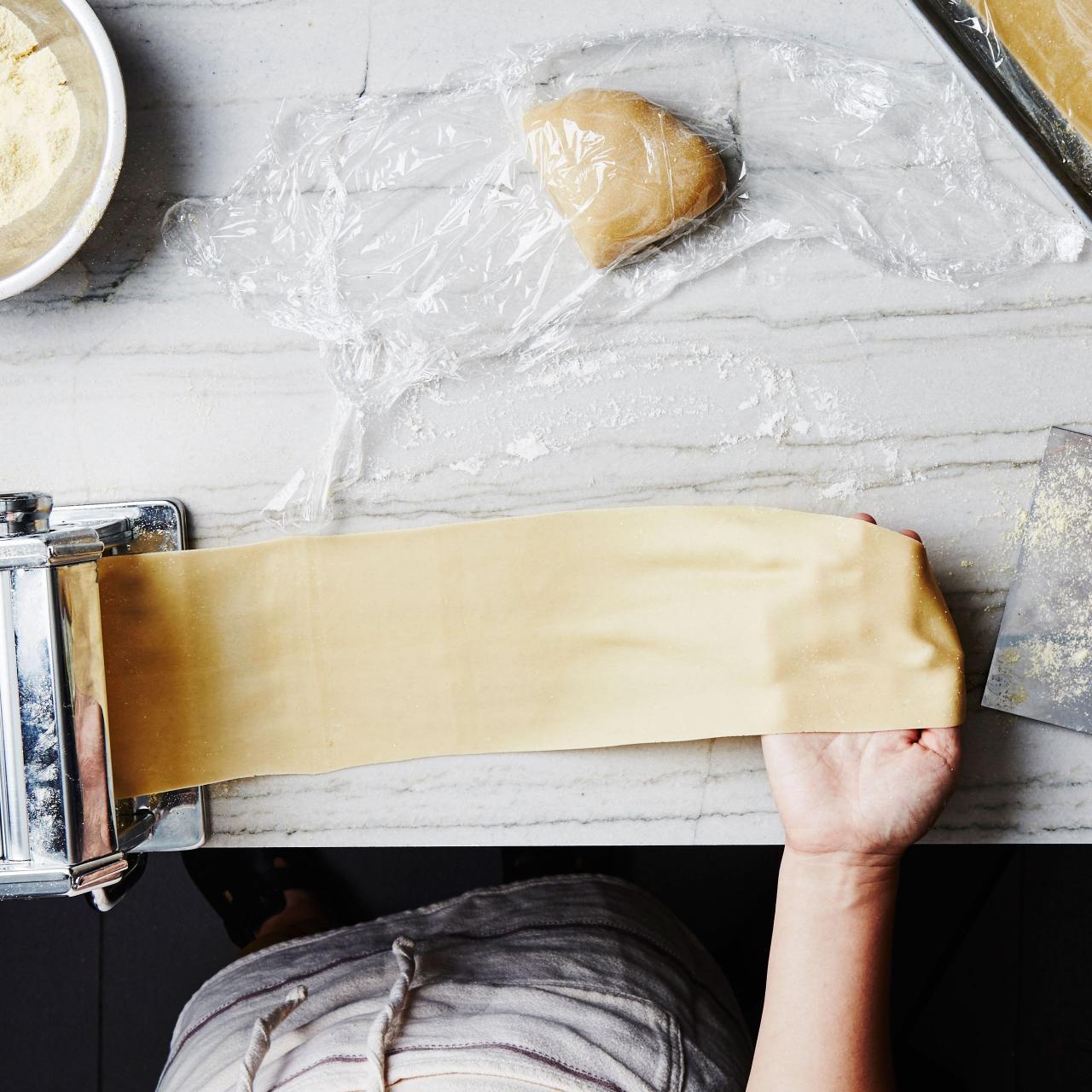
Once you’ve selected your aromatic companions, the next crucial step is to prepare them properly. This ensures that the herbs integrate seamlessly into your pasta dough, imparting their vibrant flavors without introducing unwanted moisture or texture. Gentle yet thorough preparation is key to achieving a beautifully infused pasta.The goal of herb preparation is to maximize flavor release while minimizing water content.
Excess moisture can make pasta dough sticky and difficult to work with, potentially leading to a gummy texture. Therefore, a careful approach to washing, drying, and processing your herbs is essential for success.
Washing and Drying Fresh Herbs
Thoroughly washing your herbs is vital to remove any dirt, pesticides, or debris. However, it’s equally important to ensure they are dried completely before being incorporated into the dough. Excess water can negatively impact the dough’s consistency.To wash herbs effectively:
- Gently rinse the herbs under cool running water.
- For delicate herbs like parsley or basil, a light swish in a bowl of cool water might be sufficient.
- For more robust herbs like rosemary or thyme, a more thorough rinse under the tap is recommended.
After washing, proper drying is paramount. Several methods can be employed:
- Salad Spinner: This is an excellent tool for efficiently removing excess water from leafy herbs. Spin them a few times until most of the moisture is gone.
- Paper Towels: Lay the washed herbs on a clean kitchen towel or a generous layer of paper towels. Gently pat them dry with another towel. For smaller herbs, you can also roll them gently in the towel.
- Air Drying (with caution): In a dry environment, you can spread herbs on a clean surface or hang them in small bunches to air dry. However, this method takes longer and requires careful monitoring to prevent wilting or spoilage. It’s best for herbs that are not immediately being used.
It is crucial that the herbs are as dry as possible before chopping. Even a small amount of residual moisture can affect the dough’s hydration.
Chopping and Mincing Herbs
The size at which you prepare your herbs will directly influence their flavor distribution and texture in the pasta. Finely chopped or minced herbs ensure that their essence is evenly spread throughout the dough, creating a more harmonious flavor profile.Techniques for preparing herbs include:
- Finely Chopping: For herbs with larger leaves, like basil or parsley, use a sharp knife to chop them into very small pieces. Aim for pieces that are no larger than a grain of rice.
- Mincing: This is ideal for tougher herbs with smaller leaves, such as rosemary, thyme, or sage. Mincing involves chopping the herbs very finely, often with a rocking motion of the knife, until they are almost paste-like.
- Herb Mill or Food Processor (with caution): For very large batches, a sharp herb mill can be effective. A food processor can also be used, but be careful not to over-process, which can turn herbs into a watery pulp. Pulse in short bursts and check consistency frequently.
When chopping, it’s often beneficial to gather the herb leaves into a tight ball before slicing. This allows for more precise and uniform cuts.
Preparing Herbs Requiring Pre-treatment
Some herbs benefit from a brief pre-treatment before being added to the pasta dough. This process can soften tougher leaves, mellow strong flavors, or enhance their aromatic qualities.The following herbs might require a quick preparation step:
- Tougher Leafy Herbs (e.g., Sage, Rosemary): While mincing is often sufficient, a quick blanch or sauté can further soften these herbs and release their oils.
- Blanching: Submerge the herbs in boiling water for a very brief period (10-15 seconds), then immediately plunge them into ice water. This stops the cooking process and preserves their vibrant color. After blanching, drain them thoroughly and pat them completely dry before chopping.
- Quick Sauté: Gently sauté the chopped herbs in a teaspoon of olive oil over low heat for about 30-60 seconds, just until fragrant. This releases their essential oils and mellows their flavor. Allow them to cool completely before incorporating them into the dough.
The choice of pre-treatment depends on the specific herb and the desired intensity of its flavor in the final pasta. Always ensure any moisture from blanching or sautéing is completely removed before adding the herbs to your flour and egg mixture.
Incorporating Herbs into Different Dough Types
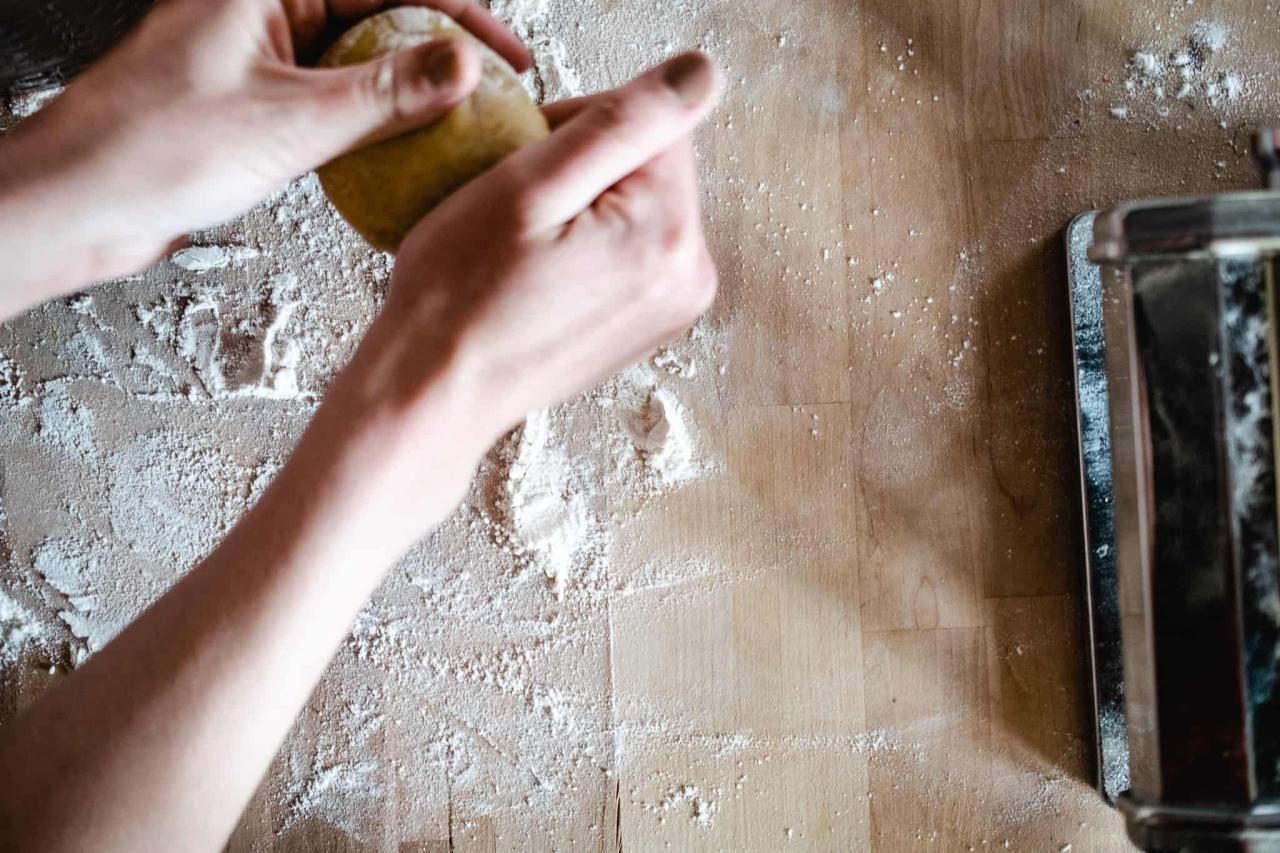
Adding fresh herbs to your pasta dough is a delightful way to elevate its flavor and aroma. The method of incorporation will vary slightly depending on the type of pasta dough you are making, primarily due to differences in hydration and flour composition. Understanding these nuances ensures that your herb-infused pasta turns out beautifully textured and deliciously seasoned.This section will guide you through the practical steps of integrating fresh herbs into various pasta dough formulations, from classic egg-based recipes to those relying solely on water and flour.
We will explore the specific techniques required for each type, highlighting any necessary adjustments to achieve optimal results.
Incorporating Herbs into Basic Egg Pasta Dough
Adding finely chopped fresh herbs to a traditional egg pasta dough is a straightforward process. The richness of the eggs and the fat content of the flour (if using a softer variety) provide a forgiving base for herb integration. The key is to ensure the herbs are evenly distributed without adding too much excess moisture.Here is a step-by-step procedure for incorporating chopped herbs into a basic egg pasta dough:
- Prepare Your Ingredients: Gather your flour (all-purpose or ’00’ flour is common), fresh eggs, a pinch of salt, and your finely chopped fresh herbs. Ensure the herbs are thoroughly dried after washing to prevent them from making the dough too wet.
- Mound the Flour: On a clean work surface or in a large bowl, create a mound of flour. Make a well in the center, large enough to hold the eggs.
- Add Eggs and Salt: Crack the eggs into the well and add the salt. Lightly whisk the eggs with a fork, incorporating a little flour from the inner walls of the well.
- Incorporate Herbs: Once the egg mixture is partially combined with the flour, gently sprinkle the finely chopped herbs over the developing dough. Aim for an even distribution.
- Mix and Knead: Continue to mix the ingredients together, gradually drawing more flour into the egg and herb mixture. Once a shaggy dough forms, begin kneading. Knead for 8-10 minutes until the dough is smooth, elastic, and no longer sticky. The herbs should be visible throughout the dough.
- Rest the Dough: Wrap the dough tightly in plastic wrap and let it rest at room temperature for at least 30 minutes. This allows the gluten to relax, making the dough easier to roll.
Adjustments for Water-Based Pasta Doughs
Water-based pasta doughs, often referred to as “poor man’s pasta” or Neapolitan-style pasta, typically use only flour and water, sometimes with a pinch of salt. These doughs are generally less hydrated than egg doughs, making them more sensitive to added moisture from herbs. Extra care is needed to maintain the desired consistency.When infusing herbs into water-based pasta doughs, consider the following adjustments:
- Drier Herbs are Crucial: Thoroughly drying your herbs is paramount. Any excess moisture can make the dough sticky and difficult to handle, potentially leading to a gummy texture. Pat them dry with paper towels multiple times if necessary.
- Finely Minced Herbs: Mince the herbs as finely as possible. Larger pieces can create pockets of moisture and uneven texture. A very fine mince will integrate more seamlessly.
- Slightly Less Water: You may need to slightly reduce the amount of water called for in your recipe by a teaspoon or two. This compensates for any residual moisture the herbs might release during mixing and kneading.
- Hydration Check: Be prepared to add a touch more flour if the dough becomes too sticky during the kneading process. Conversely, if it seems too dry, add water a drop at a time.
- Consider Dried Herbs: For water-based doughs, using a small amount of high-quality dried herbs can be a more reliable option to avoid moisture issues, though the fresh flavor will be less pronounced.
Challenges and Advantages of Infusing Herbs into Whole Wheat or Semolina Pasta Doughs
Whole wheat and semolina flours have different protein structures and absorbency rates compared to all-purpose flour. This impacts how they interact with added herbs.
Whole Wheat Pasta Doughs
- Challenges: Whole wheat flour absorbs more liquid than white flour, and its coarser texture can make it harder to evenly distribute finely chopped herbs. The dough can also be denser and less elastic, requiring more effort during kneading.
- Advantages: The robust, nutty flavor of whole wheat flour pairs exceptionally well with earthy herbs like rosemary, thyme, and sage. The darker flecks of herbs can also add visual appeal to the already textured dough.
Semolina Pasta Doughs
- Challenges: Semolina flour, especially coarser grinds, can be less forgiving in terms of hydration. Too much moisture from herbs can lead to a sticky dough that is difficult to roll thinly. The dough can also be more prone to tearing if not handled gently.
- Advantages: Semolina pasta has a distinct firm texture and a slightly sweet, nutty flavor that complements a wide range of herbs, particularly basil, parsley, and chives. The texture of semolina dough can also provide a pleasing contrast to the fresh herb pieces.
When working with whole wheat or semolina, it is advisable to start with a slightly smaller quantity of herbs than you might use in an all-purpose flour dough. Monitor the dough’s consistency closely during mixing and kneading, and adjust flour or water as needed. The visual appeal of herbs in these flours is often striking, with the herb pieces standing out against the richer hue of the dough.
Techniques for Even Herb Distribution
Achieving a harmonious blend of fresh herbs within your pasta dough is key to a delightful culinary experience. The goal is to ensure every bite offers a subtle yet distinct herbal note, rather than pockets of concentrated flavor. This section will explore effective methods to uniformly integrate these aromatic additions.The process of incorporating herbs requires careful attention to technique to prevent unevenness.
Simply mixing herbs into the flour can lead to clumps, where some areas of the dough are heavily infused while others are nearly bare. Strategic steps during mixing and kneading are crucial for optimal dispersion.
Kneading’s Role in Herb Distribution
Kneading is more than just developing gluten; it’s a vital stage for ensuring your herbs are evenly distributed. The physical action of kneading helps to break down any larger herb pieces and spread them throughout the dough matrix. The duration and method of kneading significantly influence how well the herbs are integrated.A well-kneaded dough will exhibit a smooth, elastic texture, and upon closer inspection, the flecks of herbs will appear consistently throughout.
Over-kneading, however, can sometimes lead to the herbs being overly pulverized, diminishing their visual appeal and potentially their distinct flavor. Conversely, under-kneading will leave noticeable clumps of herbs.
- Initial Incorporation: Add finely chopped or minced herbs early in the mixing process, after the liquid has been partially absorbed by the flour. This allows the dough’s moisture to begin softening the herbs.
- Gentle Folding: During the initial stages of kneading, employ a gentle folding motion. This helps to spread the herbs without tearing the developing gluten structure too aggressively.
- Extended Kneading: Continue kneading for the recommended time for your specific pasta recipe. This extended period allows the gluten to develop fully while simultaneously working the herbs into every corner of the dough. Aim for a dough that springs back slowly when pressed.
- Resting Period: After kneading, allow the dough to rest. This resting period, often wrapped in plastic, allows the moisture from the herbs to further meld with the dough, promoting a more uniform flavor distribution.
Visual Cues for Successful Integration
Observing the dough as you prepare it provides valuable insights into how well the herbs are being integrated. These visual cues act as indicators, helping you gauge the effectiveness of your techniques and make adjustments as needed.When the herbs are evenly distributed, the dough will present a consistent color speckled with the herb’s hue. There should be no large, distinct clumps of herbs visible.
Instead, the herb particles will be finely dispersed, creating an appealing mosaic throughout the dough.
- Uniform Speckling: The dough should be uniformly speckled with the color of the herbs used. For example, basil will create green flecks, while rosemary might produce darker green or brownish specks.
- Absence of Clumps: Carefully examine the dough for any large, concentrated patches of herbs. These indicate areas where the herbs have not been properly distributed.
- Smooth Texture: A well-integrated herb dough will have a smooth, homogenous texture, similar to a standard pasta dough, but with the added visual interest of the herb flecks.
- Consistent Coloration: The overall color of the dough should be consistent, with the herbs appearing as small, distributed elements rather than large, isolated pieces.
Working with Herb-Infused Dough
Infusing your pasta dough with fresh herbs not only adds a delightful visual appeal but also introduces subtle, aromatic flavors that can elevate your culinary creations. Working with this slightly altered dough requires a gentle touch and an understanding of how the added ingredients might influence its behavior during the pasta-making process. By following a few key guidelines, you can ensure your herb-infused pasta turns out beautifully.
Flavor Pairings and Recipe Ideas
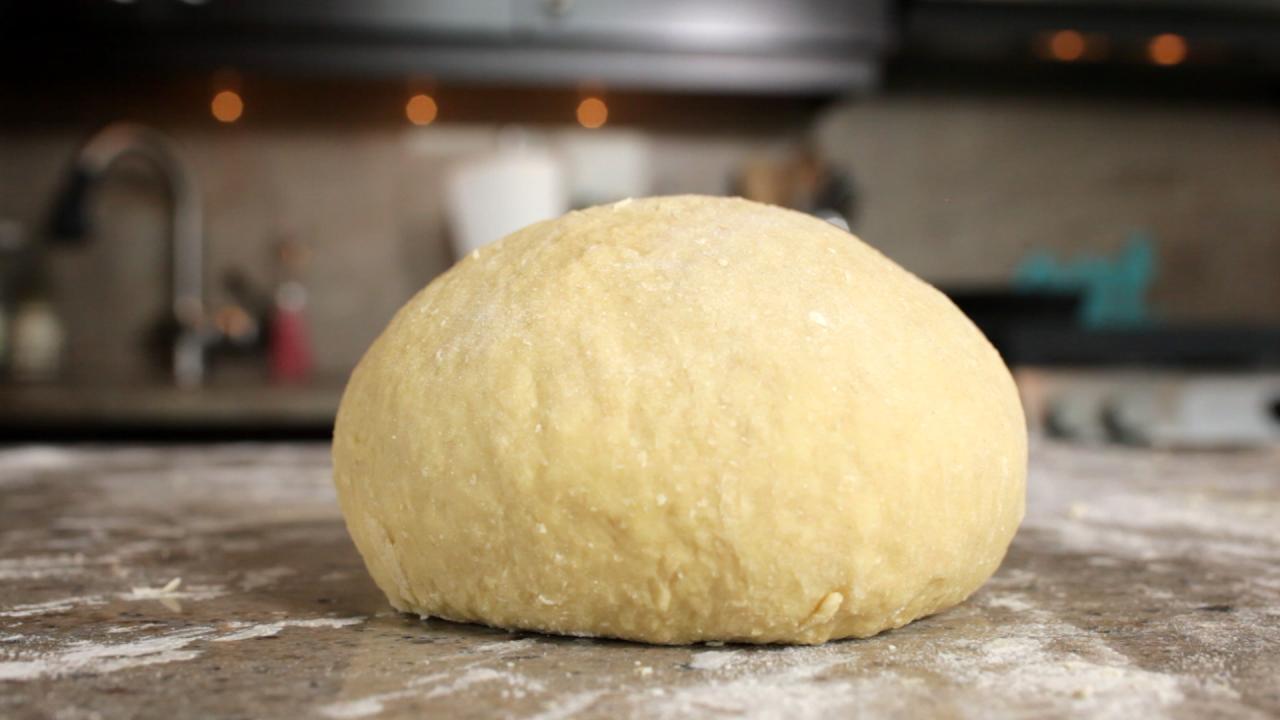
Infusing your pasta dough with fresh herbs opens up a world of culinary possibilities, allowing you to elevate simple dishes into gourmet creations. The right herb and pasta combination, thoughtfully paired with a complementary sauce, can create a symphony of flavors that delights the palate. This section explores delightful pairings and offers inspiration for showcasing your herb-infused pasta.The art of flavor pairing lies in understanding how different ingredients interact.
Herbs, with their diverse aromatic profiles, can either harmonize with or provide a contrasting counterpoint to your chosen sauce and pasta shape. Experimentation is key, but these suggestions provide a solid foundation for creating memorable pasta dishes.
Herb and Pasta Combinations with Complementary Sauces
Selecting the ideal herb for your pasta dough is just the first step; pairing it with the right sauce ensures a cohesive and delicious meal. The following table offers a curated list of herb-pasta combinations and their ideal sauce pairings, designed to highlight the unique characteristics of each infusion.
| Herb Infusion | Pasta Shape Recommendation | Complementary Sauce |
|---|---|---|
| Basil | Linguine, Fettuccine, Ravioli | Pesto, Light tomato sauce, Cream sauce with garlic and lemon |
| Parsley (Flat-leaf) | Tagliatelle, Farfalle, Orecchiette | Aglio e Olio, Seafood sauces, Light vegetable sauces |
| Rosemary | Pappardelle, Gnocchi, Stuffed shells | Mushroom ragu, Roasted vegetable sauce, Brown butter sauce |
| Thyme | Spaghetti, Penne, Tortellini | Lemon-butter sauce, Creamy chicken sauce, Sausage and vegetable sauce |
| Oregano | Rigatoni, Lasagna, Fusilli | Bolognese, Puttanesca, Mediterranean-inspired vegetable sauces |
| Mint | Cavatelli, Couscous-style pasta, Filled pasta | Pea and ricotta sauce, Light lamb ragu, Yogurt-based sauces |
| Dill | Linguine, Fettuccine, Fish-shaped pasta | Lemon-dill cream sauce, Smoked salmon sauce, Light white wine sauce |
Simple Pasta Dishes Showcasing Herb-Infused Dough
Herb-infused pasta dough shines when allowed to be the star of the dish. Simple preparations often yield the most profound flavor experiences, allowing the subtle notes of the herbs to come through without being overwhelmed by complex sauces or numerous ingredients.To best appreciate the nuanced flavors of your herb-infused pasta, consider preparing dishes that emphasize simplicity and freshness. These recipes are designed to let the infused dough take center stage, providing a delightful and aromatic base for your meal.
- Lemon and Herb Fettuccine: Toss fresh fettuccine, infused with lemon zest and finely chopped parsley, with a light sauce of olive oil, garlic, a squeeze of fresh lemon juice, and a sprinkle of Parmesan cheese. This dish highlights the brightness of the herbs and citrus.
- Rosemary Pappardelle with Wild Mushrooms: Create wide ribbons of pappardelle infused with rosemary. Sauté a medley of wild mushrooms with garlic and thyme, then toss with the pasta in a simple brown butter sauce. The earthy mushrooms complement the piney notes of rosemary beautifully.
- Basil Linguine with Cherry Tomatoes and Mozzarella: Infuse linguine with fresh basil. Gently toss the cooked pasta with halved cherry tomatoes, fresh mozzarella balls, a drizzle of olive oil, and a few basil leaves. A light balsamic glaze can add an extra layer of flavor.
- Thyme and Sausage Penne: Incorporate thyme into your penne dough. Brown Italian sausage with onions and bell peppers, then toss with the pasta in a light tomato or cream sauce. The savory sausage pairs wonderfully with the herbaceous thyme.
- Mint Cavatelli with Peas and Ricotta: Make small cavatelli pasta infused with fresh mint. Toss with blanched peas and dollops of fresh ricotta cheese, seasoned with salt, pepper, and a touch of lemon zest. This dish offers a refreshing and delicate flavor profile.
Influence of Herb Intensity on Finished Pasta Dishes
The intensity with which herbs are incorporated into your pasta dough significantly impacts the final flavor of the dish. A subtle infusion will provide a delicate background aroma and taste, while a more robust infusion can make the herb a prominent flavor component.Understanding herb intensity allows for greater control over the overall flavor profile of your pasta. For instance, using a small amount of a potent herb like rosemary will lend a subtle, fragrant hint, whereas a generous amount of a milder herb like parsley will create a more noticeable herbaceousness.
The perceived intensity of an herb in pasta dough is a balance between the quantity of herb used, its natural flavor profile, and the cooking method of the pasta.
For example, a pasta dough infused with a small amount of dried rosemary might offer a faint, pleasant aroma. In contrast, a dough made with a generous amount of fresh basil, finely chopped, will yield a pasta with a distinctly basil-forward taste that will pair well with a simple tomato sauce or pesto. When working with very potent herbs like sage or marjoram, it is often advisable to start with a smaller quantity and adjust based on personal preference and the accompanying sauce.
The cooking process itself can also modulate flavor; longer cooking times may slightly diminish the intensity of fresh herbs, while dried herbs can become more pronounced.
Preserving and Storing Herb-Infused Dough
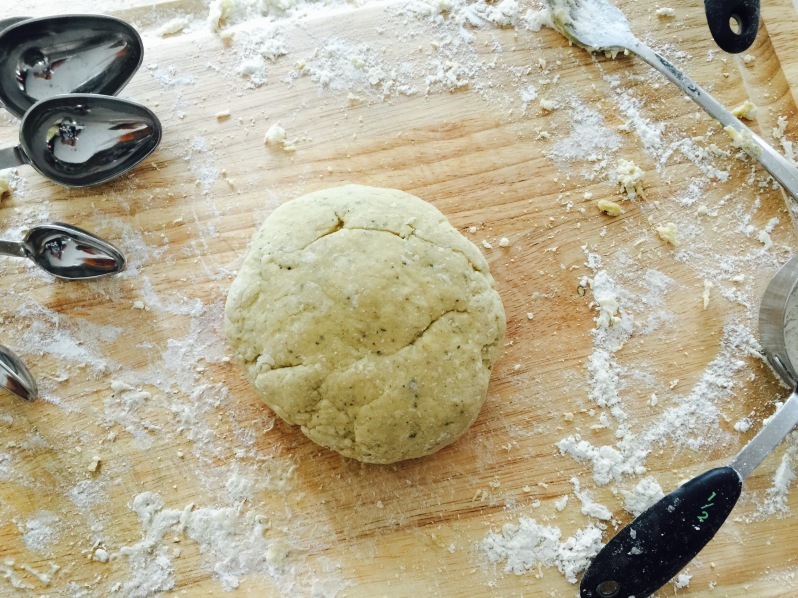
Once you’ve expertly infused your pasta dough with vibrant herbs, the next crucial step is to ensure its freshness and flavor are preserved for future culinary creations. Proper storage techniques will allow you to enjoy your homemade herb-infused pasta at your convenience, maintaining its delightful aroma and taste.
Short-Term Storage for Fresh Use
For pasta dough that will be used within a day or two, refrigeration is the most effective method to keep it fresh and prevent spoilage. Ensuring the dough is properly sealed is paramount to maintaining its moisture content and preventing it from drying out or absorbing unwanted odors from the refrigerator.
- Wrap the dough tightly in plastic wrap, ensuring there are no air pockets. This creates a barrier against moisture loss and contamination.
- For an extra layer of protection, place the plastic-wrapped dough in an airtight container or a resealable plastic bag. This is particularly useful if you plan to store it for more than 24 hours.
- Store the dough in the coldest part of your refrigerator, typically the back of the bottom shelf, to maintain a consistent temperature.
- When ready to use, allow the dough to sit at room temperature for about 15-20 minutes to soften slightly, making it easier to roll and shape.
Freezing Herb-Infused Pasta Dough
Freezing is an excellent option for preserving your herb-infused pasta dough for extended periods, allowing you to have homemade pasta ready whenever the craving strikes. The key to successful freezing lies in minimizing moisture loss and preventing freezer burn.
Before freezing, it’s beneficial to divide the dough into manageable portions. This makes it easier to thaw only the amount you need for a particular meal and reduces the time it takes for the dough to freeze and thaw.
- Divide the dough into portions, typically 1-2 cup sizes, depending on your typical pasta serving needs.
- Shape each portion into a disc or a flattened log. This shape allows for quicker and more even freezing.
- Wrap each portion individually and tightly in plastic wrap. Ensure a very secure wrap to prevent ice crystals from forming on the surface.
- For an additional layer of protection against freezer burn and odors, place the individually wrapped dough portions into a heavy-duty freezer bag or an airtight freezer-safe container.
- Label the bag or container with the date and the type of herb infused. This helps with inventory management and ensures you use the oldest dough first.
- Freeze the dough flat on a baking sheet until solid, then transfer to a freezer bag or container for long-term storage. This initial freezing step helps maintain the shape of the dough.
Thawing and Using Frozen Herb-Infused Dough
When you’re ready to enjoy your frozen herb-infused pasta, proper thawing is essential to retain its texture and flavor. Rushing the thawing process can negatively impact the dough’s consistency.
The most recommended method for thawing frozen pasta dough involves a gradual temperature transition, which helps prevent the dough from becoming sticky or mushy.
- Transfer the frozen dough from the freezer to the refrigerator. Allow it to thaw slowly overnight. This is the gentlest method and best preserves the dough’s integrity.
- If you’re in a hurry, you can thaw the dough at room temperature. Place the wrapped dough on the counter for 1-2 hours, or until it’s pliable enough to work with. Avoid leaving it out for too long, as it can become sticky.
- Once thawed, the dough may feel slightly softer than fresh dough. Knead it gently for a minute or two to restore its elasticity.
- If the dough feels too sticky after thawing, lightly dust your work surface and hands with flour and continue to knead until it reaches the desired consistency.
- Proceed with rolling and shaping your pasta as you normally would. The herb flavor will remain vibrant and ready to enhance your dishes.
Ultimate Conclusion
As we conclude our journey into the world of herb-infused pasta dough, you are now equipped with the knowledge to transform your cooking. From selecting the freshest ingredients to mastering the art of integration and storage, the possibilities for creating unique and flavorful pasta dishes are endless. Embrace these techniques to add a gourmet touch to your meals and delight your senses with the authentic taste of homemade, herb-infused pasta.