Embark on a delightful culinary journey as we explore the art of pairing wine with your exquisite homemade pasta creations. This guide is designed to illuminate the path to perfectly matched flavors, transforming your dining experience from simply enjoyable to truly memorable. Discover how the subtle nuances of wine can elevate the diverse characteristics of pasta sauces, creating harmonies that tantalize the palate.
We will delve into the fundamental principles that govern successful wine and pasta pairings, examining how acidity, tannins, body, and weight play crucial roles. From vibrant tomato-based sauces to rich, creamy concoctions, and from delicate herb-infused delights to hearty meat ragus, each pasta dish presents a unique opportunity for wine selection. Our exploration will cover a spectrum of wine types, including crisp whites, versatile rosés, and robust reds, ensuring you have the knowledge to confidently choose the ideal accompaniment for any homemade pasta masterpiece.
Understanding the Basics of Pasta and Wine Pairing
Pairing wine with your homemade pasta dish is a delightful culinary adventure that can elevate your meal from enjoyable to truly exceptional. The key lies in understanding how the flavors and characteristics of both the pasta sauce and the wine interact. By considering fundamental principles, you can create harmonious pairings that enhance the overall dining experience.At its core, pasta and wine pairing is about balance and complementarity.
We aim to find wines that either echo the flavors in the sauce, contrast them in a pleasing way, or cleanse the palate between bites. This involves looking at the weight, acidity, tannin, and flavor profile of both components.
Fundamental Principles of Matching Wine Flavors with Pasta Sauce Characteristics
The success of a pasta and wine pairing hinges on matching the intensity and dominant flavors of your sauce with a wine that can either stand up to it or complement it. A light, delicate sauce requires a wine of similar subtlety, while a robust, complex sauce can handle a more powerful wine.Consider these fundamental principles:
- Weight and Body: The “weight” or “body” of a wine refers to its perceived viscosity and richness on the palate, much like the texture of food. Light-bodied wines are crisp and refreshing, while full-bodied wines are richer and more coating. Match the body of the wine to the richness of the sauce.
- Acidity: Acidity in wine acts as a palate cleanser, cutting through richness and fat, and brightening flavors. It’s particularly crucial when pairing with tomato-based sauces.
- Tannins: Found primarily in red wines, tannins are compounds that create a drying sensation in the mouth. They are best suited to dishes with fat and protein, as they bind with these elements, softening the wine and making the food taste richer.
- Flavor Intensity and Profile: The dominant flavors of your sauce – be it herbaceous, spicy, creamy, or savory – should find a sympathetic resonance in the wine.
Acidity in Wine and Tomato-Based Sauces
Tomato-based sauces, with their inherent acidity and often bright, tangy flavors, are a classic example of where wine acidity plays a starring role. A wine with sufficient acidity will mirror the tanginess of the tomatoes, preventing the sauce from overwhelming the wine and vice versa. This creates a synergistic effect where both the sauce and the wine taste brighter and more vibrant.When a wine lacks sufficient acidity, it can taste flat and flabby when paired with a tomato sauce.
Conversely, a wine with high acidity, like a Sangiovese or a Barbera, can cut through the richness of ingredients often found in tomato sauces, such as olive oil or cheese, leaving your palate refreshed and ready for the next bite.
Tannins in Red Wine and Rich, Meaty Pasta Dishes
Rich, meaty pasta dishes, such as Bolognese, ragu, or dishes featuring braised lamb or beef, are prime candidates for red wines with noticeable tannins. The proteins and fats in these dishes interact beautifully with tannins.When tannins encounter fat and protein, they bind with them. This interaction softens the perceived harshness of the tannins, making the wine taste smoother and fruitier.
Simultaneously, the wine’s tannins help to cut through the richness of the meat, preventing the dish from feeling too heavy or cloying on the palate. Think of a robust Chianti Classico with a hearty beef ragu, or a Cabernet Sauvignon with a rich lamb shank pasta.
Examples of Light-Bodied White Wines for Delicate Pasta Dishes
Delicate pasta dishes, often featuring light cream sauces, seafood, or simple vegetable preparations, call for wines that won’t overpower their subtle flavors. Light-bodied white wines are the ideal choice for these scenarios.Here are some excellent examples:
- Pinot Grigio: Known for its crisp, dry profile with notes of green apple and pear, Pinot Grigio is a versatile choice for pasta with white fish, shrimp scampi, or pasta primavera.
- Sauvignon Blanc: With its zesty acidity and herbaceous or citrusy notes, Sauvignon Blanc pairs wonderfully with pasta dishes featuring asparagus, lemon, or goat cheese.
- Vermentino: This Italian white wine offers bright acidity and a slightly saline minerality, making it a fantastic companion for seafood pastas like linguine alle vongole.
- Gavi (Cortese): A light, crisp white from Piedmont, Gavi exhibits delicate floral and almond notes, perfect for pasta with light cream sauces or delicate vegetable medleys.
The Role of Body and Weight in Wine Pairing with Pasta
The body and weight of a wine are crucial considerations when pairing with pasta. Imagine a light-bodied wine as a gentle whisper and a full-bodied wine as a confident declaration.A light-bodied wine, such as a Pinot Grigio or a young Beaujolais, has a delicate presence. It will complement pasta dishes with light, delicate sauces, like those featuring fresh vegetables, light seafood, or simple olive oil and garlic.
If you pair a light-bodied wine with a heavy sauce, the wine will be lost, tasting watery and insignificant.Conversely, a full-bodied wine, like a Cabernet Sauvignon or a Chardonnay with oak aging, has a substantial presence. These wines have the structure and intensity to stand up to rich, creamy sauces, hearty meat ragus, or dishes with strong, savory flavors. A full-bodied wine paired with a delicate pasta would overpower its subtle nuances, rendering the dish bland.
The goal is to achieve a balance where neither the wine nor the pasta dominates the other.
Pairing Wine with Tomato-Based Pasta Dishes
Tomato-based pasta dishes, with their inherent acidity and often vibrant flavors, present a delightful challenge and opportunity for wine pairing. The key is to find wines that either complement the tomato’s natural tang or offer enough structure to stand up to richer, meatier sauces. Understanding the interplay between acidity, sweetness, and body in both the pasta and the wine is paramount to achieving a harmonious and memorable dining experience.The acidity of tomatoes can be quite pronounced, and pairing them with a wine that lacks its own acidity can result in a dull or even metallic taste.
Conversely, a wine with sufficient acidity will mirror and enhance the tomato’s brightness, creating a balanced and refreshing palate.
White Wines for Tomato Sauces
Crisp, high-acid white wines are exceptionally well-suited for tomato-based pasta dishes, particularly those with lighter sauces like marinara or arrabiata. These wines possess the zesty character needed to cut through the acidity of the tomatoes without overwhelming their delicate flavors. Their refreshing quality also cleanses the palate, making each bite of pasta as enjoyable as the first.Examples of such wines include:
- Sauvignon Blanc: Its herbaceous notes and vibrant acidity complement the fresh, sometimes peppery notes found in marinara.
- Pinot Grigio (Italian style): A dry and crisp Pinot Grigio offers a clean, neutral palate cleanser that allows the tomato flavors to shine.
- Vermentino: This Italian white wine often exhibits a pleasant salinity and citrusy notes, which pair beautifully with the bright acidity of tomato sauces.
Red Wines for Tomato Sauces
While white wines are often the go-to, certain red wine varietals with sufficient acidity can also be excellent partners for tomato-based pasta, especially those with more robust or meat-infused sauces. The crucial factor is the wine’s acidity, which needs to be high enough to avoid being flattened by the tomato’s natural tartness.Sangiovese, the primary grape in Chianti, is a prime example.
Its inherent cherry fruitiness and bright acidity make it a classic pairing for many Italian tomato-based dishes. Other Italian reds, like Barbera, are also known for their lively acidity and fruit-forward profiles, making them versatile choices.
Pairing with Bolognese
Bolognese sauce, a rich and hearty meat sauce often simmered with tomatoes, requires a wine with both body and acidity. While it’s a tomato-based sauce, the presence of ground meat and often milk or cream adds a layer of richness that needs a wine capable of standing up to it.Here’s a comparison of two popular Italian reds for Bolognese:
| Wine | Flavor Profile | Pairing Rationale for Bolognese |
|---|---|---|
| Chianti Classico | Medium-bodied, with notes of cherry, plum, and sometimes earthy or leathery undertones. Possesses good acidity and firm tannins. | The acidity cuts through the richness of the meat and fat, while the cherry notes complement the tomato base. The tannins provide structure to balance the savory depth of the sauce. |
| Barbera | Lighter in body than Chianti Classico, with bright, juicy cherry and raspberry flavors. Known for its high acidity and low tannins. | The pronounced acidity is excellent for cleansing the palate from the richness of the Bolognese. Its fruit-forward character offers a delightful contrast to the savory meat. |
The Versatility of Dry Rosé
A dry rosé is an incredibly versatile option for a wide range of tomato-based pasta dishes. Its character often bridges the gap between white and red wines, offering refreshing acidity and subtle red fruit notes. This makes it suitable for everything from a simple marinara to a more complex arrabiata or even a lighter meat sauce.The crispness of a dry rosé ensures it can handle the acidity of the tomatoes, while its light to medium body can complement various ingredients.
Look for rosés made from grapes like Grenache, Sangiovese, or Syrah, which tend to have the right balance of fruit and acidity.
Selecting Wine for Spicy Tomato Sauces
When a tomato sauce includes spicy elements, such as in an arrabiata or a diavolo sauce, the wine selection needs careful consideration. The heat from chili peppers can accentuate the perception of tannins and alcohol in wine, potentially leading to an unpleasant, burning sensation.To navigate this, consider the following approach:
- Opt for low-tannin, fruit-forward wines: Red wines with high tannins will clash with the spice. Instead, choose reds with ripe fruit flavors and softer tannins, or stick with crisp white wines.
- Embrace off-dry or slightly sweet wines: A touch of residual sugar can help to cool the palate and balance the heat. A slightly off-dry Riesling or a Gewürztraminer can be surprisingly effective.
- Consider the intensity of the spice: For milder spice, a zesty white like a Vermentino or a light-bodied red with good acidity will work. For more intense heat, a wine with a hint of sweetness or a very low-tannin, fruit-forward red is a safer bet.
- Prioritize acidity: Regardless of color, a wine with good acidity is essential. It will refresh the palate and prevent the spice from becoming overwhelming.
For instance, if you’re enjoying a pasta dish with a spicy tomato sauce and Calabrian chilies, a crisp Italian white like a Greco di Tufo or a slightly off-dry Rosé would be excellent choices. These wines offer the necessary acidity and fruit character to complement the heat without intensifying it.
Pairing Wine with Creamy and Rich Pasta Dishes
When your homemade pasta is bathed in a luxurious, creamy sauce, the wine you choose needs to be equally decadent to create a harmonious dining experience. The richness of the wine should mirror the velvety texture and opulent flavors of dishes like Fettuccine Alfredo or a classic Carbonara. A wine that is too light or thin will be overwhelmed, leaving the pairing feeling unbalanced.The goal is to find a wine with enough body and character to stand up to the substantial nature of these dishes.
Think about wines that offer a pleasing weight on the palate, with flavors that can complement or contrast the creaminess without being overpowered. This often leads us to explore white wines with a bit more oomph, or even some lighter-bodied reds when the ingredients align.
The Role of Richness in Wine and Creamy Pasta
The concept of “richness” in wine refers to its body, texture, and flavor intensity. For creamy pasta dishes, a wine’s richness should echo the mouthfeel of the sauce. A creamy sauce coats the palate, and a wine with similar characteristics will feel like a natural extension of the dish, rather than a separate entity. This is why wines with a fuller body and a slightly unctuous texture often perform best.
Oaked Chardonnay and Viognier for Creamy Sauces
Wines like oaked Chardonnay and Viognier are often excellent companions for creamy pasta. The oak aging process in Chardonnay can impart notes of vanilla, butter, and toast, which beautifully complement the richness of a cream sauce. This aging also adds a desirable weight and texture to the wine. Viognier, with its inherent floral aromas and stone fruit flavors, offers a slightly different but equally compelling profile.
Its natural body and often creamy texture can provide a delightful counterpoint to dishes like Alfredo.
Full-Bodied White Wines for Decadent Pasta
When considering full-bodied white wines that can stand up to decadent pasta, several varietals and styles come to mind. These wines possess the structure and flavor intensity to engage with rich ingredients without being lost.
- Oaked Sauvignon Blanc: While often known for its crisp acidity, some oaked versions of Sauvignon Blanc develop a rounder texture and notes of honey and toasted nuts that can work well.
- Roussanne/Marsanne Blends: These Rhône varietals are known for their rich texture, nutty aromas, and ability to age, making them suitable for creamy dishes.
- Gewürztraminer: Though aromatic, some styles of Gewürztraminer offer a fuller body and a slight off-dry character that can balance the richness of a cream sauce, especially if there are subtle spice elements in the pasta.
Unoaked versus Oaked White Wines with Cheese-Heavy Pasta
The choice between unoaked and oaked white wines becomes particularly significant when dealing with pasta dishes that are heavily reliant on cheese. For a cheese-heavy pasta, such as a four-cheese baked ziti or a Cacio e Pepe, the wine needs to cut through the richness of the cheese while also complementing its savory notes.
An unoaked white wine, with its brighter acidity, can offer a refreshing contrast to the dense, fatty nature of cheese, cleansing the palate with each sip. Conversely, an oaked white wine, particularly one with buttery notes, can meld with the cheese, creating a more integrated and luxurious experience. The decision often depends on whether you prefer a palate-cleansing contrast or a harmonious integration of flavors.
Lighter-Bodied Red Wines with Mushroom Cream Sauces
While white wines often dominate the pairing conversation for creamy pasta, lighter-bodied red wines can also be successful, especially when mushrooms are a key component of the sauce. Mushrooms bring an earthy, umami quality that can bridge the gap between red wine and creamy textures.A prime example is Pinot Noir. Its moderate acidity, delicate tannins, and earthy notes, often reminiscent of forest floor or mushrooms themselves, make it a surprisingly good match for cream sauces featuring these fungi.
The wine’s lighter body ensures it doesn’t overpower the creaminess, while its complex flavor profile can beautifully echo the savory depth of the mushrooms. Other light-bodied reds with good acidity, such as Gamay, might also offer a pleasant pairing experience with such dishes.
Pairing Wine with Pesto and Herb-Infused Pasta Dishes

Moving beyond the vibrant world of tomato and cream, we now explore the refreshing and aromatic realm of pesto and herb-infused pasta dishes. These creations, bursting with fresh herbs and often a delightful garlicky punch, present a unique set of challenges and opportunities for wine pairing. The key lies in matching the wine’s own herbaceous or bright characteristics to complement, rather than overpower, the dish.The fundamental principle when pairing wine with pesto and herb-infused pasta is to seek wines that echo the dominant herbal notes.
Fresh basil, a cornerstone of classic pesto, pairs beautifully with wines that possess their own distinct grassy or vegetal undertones. This creates a harmonious dialogue between the food and the wine, where each element enhances the other.
The Influence of Garlic and Pine Nuts in Pesto on Wine Selection
The robust flavors of garlic and the subtle, nutty richness of pine nuts in pesto significantly influence wine choice. Garlic’s pungency can easily overwhelm delicate wines, necessitating a wine with sufficient acidity and flavor intensity to stand up to it. Pine nuts, while milder, contribute a creamy texture and a slight sweetness that can be beautifully complemented by wines with a touch of fruitiness.
The overall profile of pesto, therefore, calls for wines that are lively and aromatic, with enough body to stand up to these components.
White Wines for Lemon-Herb Pasta
Lemon-herb pasta dishes, characterized by their bright citrus notes and the fragrant essence of herbs like parsley, chives, or even a hint of mint, demand wines that are equally zesty and refreshing. The acidity in these wines cuts through any richness and amplifies the citrusy and herbaceous elements of the pasta.Here are some white wines that pair exceptionally well with lemon-herb pasta:
- Sauvignon Blanc: Its signature grassy, gooseberry, and citrus notes are a natural match for lemon and fresh herbs.
- Vermentino: This Italian white often exhibits a saline minerality and subtle herbal hints, making it a superb partner.
- Pinot Grigio (Italian style): Look for versions with crisp acidity and subtle notes of green apple and citrus.
- Albariño: With its bright acidity, grapefruit, and subtle floral notes, it offers a delightful contrast and complement.
- Dry Riesling: A dry Riesling can offer refreshing acidity and notes of lime and green apple, harmonizing with the dish.
Pairing Wine with Strong Herbs like Rosemary or Sage
Pasta dishes featuring potent herbs such as rosemary or sage present a more complex pairing challenge. These herbs possess earthy, pungent, and sometimes resinous qualities that can be overwhelming for lighter wines. The goal is to find wines that can either stand up to these bold flavors or offer a contrasting profile that creates an interesting interplay.For dishes featuring rosemary, consider wines with earthy undertones or a robust fruit character.
A medium-bodied red like a Sangiovese or a Barbera can work well, as their savory notes can echo the rosemary. For sage, which has a more peppery and slightly bitter edge, a wine with a touch of herbal complexity itself can be effective. A Grüner Veltliner, with its peppery notes and crisp acidity, or even a Rhône blend with its herbaceous and spicy character, could be excellent choices.
It is crucial to avoid wines that are overly tannic or sweet, as these can clash with the assertive nature of these strong herbs.
Pairing Wine with Seafood and Light Pasta Dishes
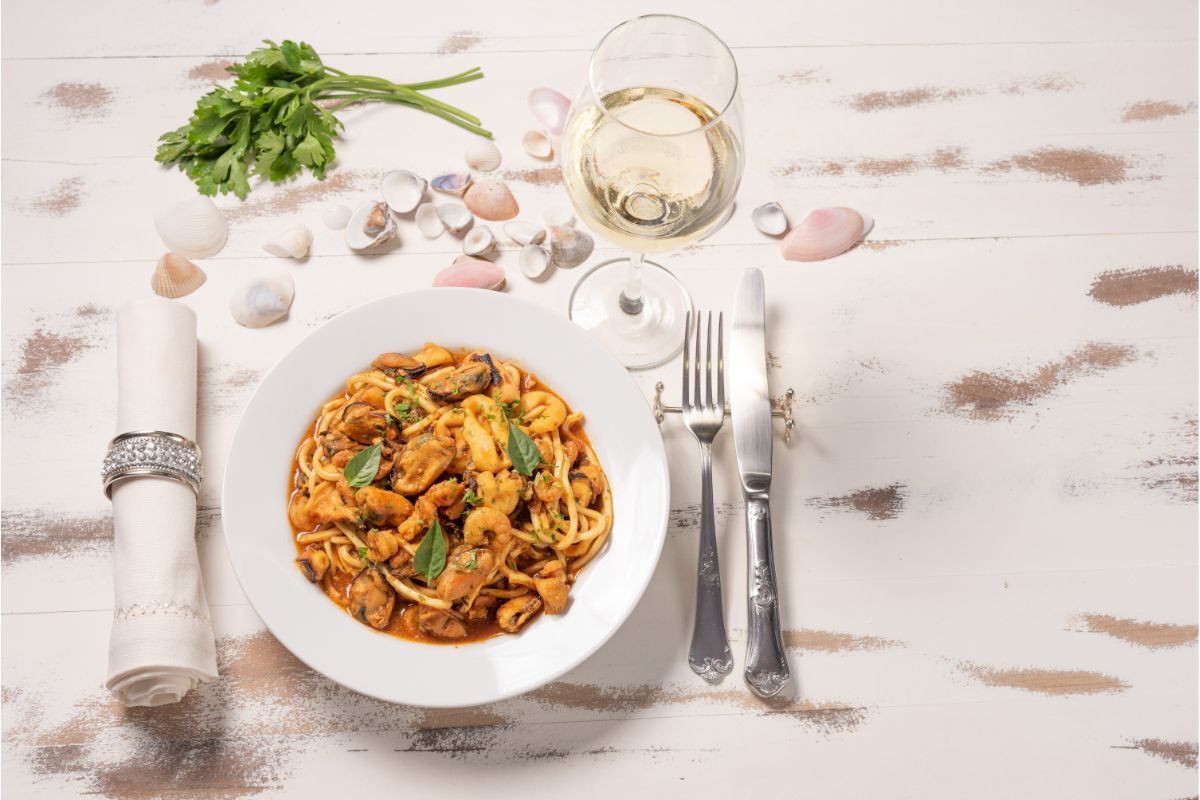
When crafting a pasta dish featuring the delicate flavors of seafood, the key to a successful wine pairing lies in selecting a wine that complements, rather than overpowers, these subtle notes. The goal is to enhance the natural brininess of the ocean and the tender texture of the seafood, creating a harmonious culinary experience.The intrinsic nature of seafood, whether it’s the sweetness of scallops, the brininess of clams, or the subtle fleshiness of fish, demands wines that are equally refined.
Heavy, oak-laden wines or those with aggressive tannins can easily mask these delicate profiles. Therefore, the focus shifts to wines that offer freshness, acidity, and a clean palate to allow the seafood to shine.
Selecting Wines for Delicate Seafood Flavors
Choosing a wine that respects the inherent delicacy of seafood is paramount. This involves prioritizing wines with bright acidity, a lighter body, and minimal oak influence. These characteristics ensure that the wine acts as a refreshing counterpoint, cleansing the palate and highlighting the nuanced flavors of the sea.
Crisp, Dry White Wines for Shrimp or Clam Pasta
For pasta dishes featuring shrimp, clams, mussels, or other lighter seafood, crisp and dry white wines are often the ideal companions. These wines possess the acidity and clean profile necessary to cut through any richness and complement the briny, slightly sweet characteristics of the seafood.
- Pinot Grigio: Particularly those from Italian regions like Alto Adige or Friuli-Venezia Giulia, offer a refreshing minerality, subtle pear notes, and a zesty acidity that pairs beautifully with shrimp scampi or linguine alle vongole.
- Vermentino: This Italian varietal, especially from Sardinia or Liguria, boasts aromatic notes of citrus, almond, and a distinct salinity, making it an excellent match for seafood pasta dishes where the ocean’s essence is prominent.
- Sauvignon Blanc: While some can be quite herbaceous, a less intensely aromatic style, perhaps from the Loire Valley (like Sancerre or Pouilly-Fumé), can provide a vibrant acidity and mineral undertone that works well with pasta featuring white fish or prawns.
The Role of Minerality in White Wines with Briny Seafood
Minerality in white wines plays a crucial role when pairing with briny seafood. It refers to the wine’s perceived “mineral” character, often described as stony, chalky, or flinty. This quality echoes the salinity of the ocean, creating a sense of synergy that enhances the overall tasting experience. Wines with pronounced minerality act as a natural extension of the seafood’s own oceanic essence, amplifying its inherent flavors without introducing competing notes.
Sparkling Wines for Seafood Pasta Dishes
Sparkling wines, with their effervescence and acidity, are exceptionally well-suited for seafood pasta. The bubbles provide a palate-cleansing effect, similar to a crisp white wine, while the acidity cuts through any richness.
- Prosecco: A dry (Brut) Prosecco offers a delightful fruitiness and a fine mousse that can complement pasta dishes with mussels or calamari, adding a celebratory touch.
- Champagne or Cava: More complex sparkling wines, especially those with a higher acidity and less dosage, can stand up to pasta dishes featuring richer seafood like lobster or crab, their yeasty notes providing an intriguing contrast.
Light-Bodied, Low-Tannin Red Wine for Pasta with Grilled Calamari
While white wines are the typical choice for seafood, a specific pasta preparation might allow for a light-bodied red. For a dish featuring grilled calamari, especially if it has some smoky char and perhaps a hint of spice, a very light-bodied red wine with minimal tannins could be considered.
- Gamay (Beaujolais): A Cru Beaujolais, with its bright cherry fruit, floral notes, and very low tannin structure, can surprisingly complement the slightly smoky, grilled notes of calamari without overwhelming its texture. The wine’s acidity will also help to cut through any slight oiliness from the grilling process.
Pairing Wine with Meat and Hearty Pasta Dishes
When your pasta dish features robust meats and rich, slow-cooked sauces, you need wines that can stand up to the intensity and complement the deep flavors. These dishes, often the heartiest and most comforting, demand a wine with structure, tannins, and a flavor profile that harmonizes with the savory elements.The key to successfully pairing wine with meat and hearty pasta dishes lies in matching the weight and intensity of the sauce and meat with a wine that possesses similar characteristics.
Robust red wines are typically the best companions, as their tannins can cut through the richness of the meat and sauce, while their complex fruit and earthy notes can echo and enhance the dish’s flavors.
The Role of Robust Red Wines
Robust red wines are characterized by their full body, significant tannins, and often higher alcohol content. These attributes make them ideal for pairing with dishes that are equally bold in flavor and texture. The tannins in these wines bind with the proteins in the meat, creating a smoother mouthfeel and preventing the wine from being overpowered. The fruit-forward notes and often savory undertones of these reds can beautifully complement the deep, savory, and sometimes gamey flavors of red meats and hearty ragus.
Specific Red Wine Varietals for Beef and Lamb
For pasta dishes featuring beef or lamb, varietals like Cabernet Sauvignon and Syrah (also known as Shiraz) are excellent choices.* Cabernet Sauvignon: Its firm tannins, blackcurrant notes, and often a hint of cedar or tobacco provide a classic pairing for beef-based ragus, Bolognese, or pasta with braised short ribs. The wine’s structure can handle the richness of the beef and the depth of a slow-simmered tomato sauce.
Syrah/Shiraz
This varietal offers dark fruit flavors, peppery notes, and a fuller body that pairs wonderfully with lamb ragu or pasta with a rich lamb shoulder sauce. The peppery spice of Syrah can be particularly effective in complementing the natural flavors of lamb.
Impact of Slow-Cooked Meats and Hearty Ragus
The impact of slow-cooked meats and hearty ragus on wine choice is significant. The extended cooking time breaks down the connective tissues in the meat, making it incredibly tender and infusing it with deep, complex flavors. Similarly, slow-simmered sauces develop layers of taste and aroma. These elements call for wines that can match this complexity and depth. Wines with age can also be excellent companions, as their developed tertiary aromas (like leather, earth, or forest floor) can beautifully echo the savory notes of a well-made ragu.
Meat Cut and Pasta Pairing with Red Wines
When selecting a wine, consider the specific cut of meat used in your pasta dish. Different cuts have varying levels of fat and intensity, which influence the ideal wine pairing.
| Cut of Meat | Typical Pasta Dish | Recommended Red Wine |
|---|---|---|
| Ground Beef | Bolognese, Meat Sauce | Sangiovese (Chianti Classico), Merlot |
| Beef Chuck/Short Ribs | Braised Beef Ragu, Osso Buco Pasta | Cabernet Sauvignon, Nebbiolo (Barolo/Barbaresco) |
| Ground Lamb | Lamb Ragu | Syrah/Shiraz, Grenache |
| Lamb Shoulder/Leg | Slow-Cooked Lamb Pasta | Rhône Blends (e.g., Côtes du Rhône), Zinfandel |
| Pork Shoulder | Pork Ragu, Pulled Pork Pasta | Garnacha (Spain), Primitivo |
| Sausage (Pork/Beef) | Sausage and Pepper Pasta | Zinfandel, Barbera |
Balancing Intensity with Zinfandel
A full-bodied Zinfandel can be a particularly versatile and delightful partner for pasta dishes that incorporate sausage and peppers. The inherent jammy fruit notes of Zinfandel, often with hints of blackberry and plum, provide a vibrant contrast to the savory, slightly spicy character of Italian sausage. Simultaneously, its robust structure and moderate tannins are capable of handling the richness of the sausage and the sweetness of the peppers, creating a harmonious and satisfying pairing.
“The best wine pairings enhance, rather than compete with, the flavors of the food.”
Considering Regional Pairings and Personal Preferences
While general guidelines are incredibly helpful, the most harmonious wine and pasta pairings often emerge from a deep appreciation for regional culinary traditions and an understanding of your own palate. The principle of “what grows together, goes together” is a powerful guiding force in achieving authentic and delicious results.The philosophy of “what grows together, goes together” suggests that the ingredients and wines that have co-evolved in a particular region are naturally complementary.
This is because local winemakers and food producers have, over centuries, discovered the optimal pairings through repeated experience. These pairings are often a reflection of the climate, soil, and available ingredients of a specific area.
Classic Italian Regional Pasta Dishes and Their Traditional Wine Pairings
Italy, with its rich tapestry of regional cuisines, offers a wealth of classic pasta dishes that have long-standing, iconic wine pairings. These combinations are not arbitrary; they are the result of generations of culinary wisdom and a deep understanding of how local flavors interact.
- Emilia-Romagna: Tagliatelle al Ragù Bolognese. This iconic dish, featuring a slow-cooked meat sauce, is traditionally paired with Sangiovese-based wines from the Emilia-Romagna region, such as a Sangiovese di Romagna. The wine’s bright acidity and savory notes cut through the richness of the ragù, while its earthy undertones complement the meat.
- Campania: Spaghetti alle Vongole. This light and briny pasta dish, highlighting fresh clams, is best enjoyed with crisp, dry white wines from Campania. A Falanghina or a Greco di Tufo, with their minerality and citrusy aromas, echo the freshness of the seafood and cleanse the palate.
- Tuscany: Pici all’Aglione. Pici, a thick, hand-rolled pasta, is often served with a simple yet flavorful garlic and tomato sauce. Tuscan Sangiovese, particularly a Chianti Classico, provides the perfect counterpoint with its cherry fruit and robust tannins, standing up to the garlic’s intensity.
- Liguria: Trofie al Pesto. The vibrant, herbaceous pesto from Genoa calls for aromatic and refreshing white wines. A Vermentino from Liguria, with its saline character and notes of Mediterranean herbs, is an ideal match, enhancing the basil and pine nut flavors.
- Sicily: Pasta alla Norma. This Sicilian classic features eggplant, tomato, ricotta salata, and basil. A Nero d’Avola, Sicily’s signature red grape, offers dark fruit flavors and a touch of spice that complements the sweet eggplant and the tang of the tomato.
The Influence of Personal Taste on Wine Selection
While tradition offers excellent starting points, your personal preferences are paramount in selecting the ideal wine for your homemade pasta. What one person finds perfectly balanced, another might find too bold or too subtle.Your individual taste preferences play a crucial role in defining the “perfect” wine pairing. Consider your general inclination towards certain wine characteristics:
- Acidity: Do you enjoy wines that have a bright, zesty quality that makes your mouth water, or do you prefer smoother, less acidic wines?
- Tannins: Are you drawn to the drying sensation of tannins, often found in red wines, or do you find them overpowering, preferring softer, more supple reds or whites?
- Body: Do you favor light-bodied wines that are easy to drink, or do you gravitate towards full-bodied wines with more weight and complexity?
- Sweetness/Dryness: While most pasta pairings call for dry wines, some may appreciate a hint of residual sweetness, or conversely, prefer wines that are bone-dry.
- Aromatics: Are you attracted to intensely aromatic wines with floral or fruity notes, or do you prefer more subtle, earthy bouquets?
Understanding these preferences will help you deviate from traditional pairings when necessary to create a wine experience that is uniquely enjoyable for you.
Navigating Wine Selection with a Decision Tree
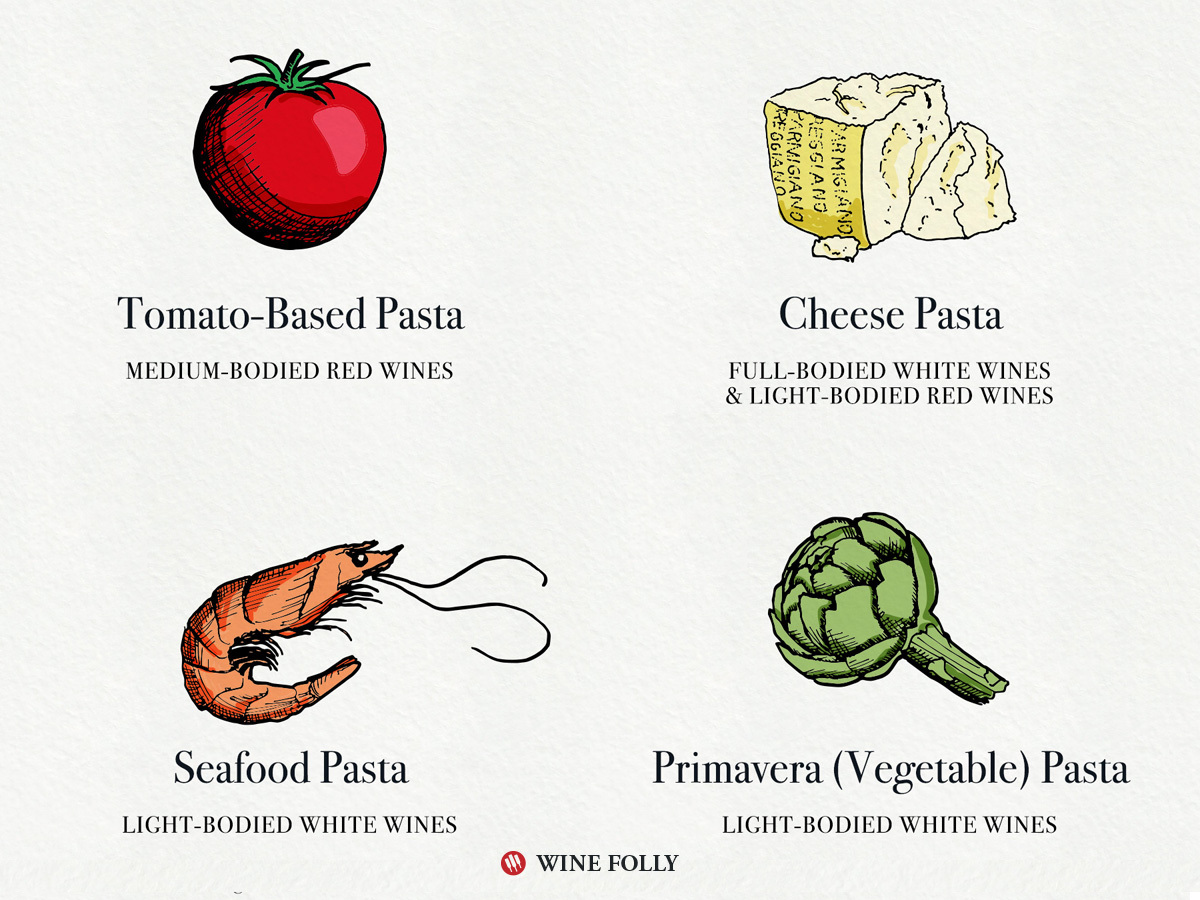
To simplify the process of choosing a wine for your homemade pasta, consider this decision tree. It helps guide you through the selection based on the primary ingredients of your pasta dish and your desired wine characteristics.
| Pasta Ingredient Focus | Desired Wine Characteristic | |
| Light & Refreshing | Rich & Robust | |
| Tomato-Based | Medium-bodied Sangiovese (e.g., Chianti), Rosé | Full-bodied Sangiovese (e.g., Brunello di Montalcino), Barbera |
| Creamy/Rich Sauce | Oaked Chardonnay, Viognier | Aged Nebbiolo, Syrah/Shiraz |
| Pesto/Herb-Infused | Sauvignon Blanc, Vermentino, Dry Riesling | Aromatic whites like Gewürztraminer, lighter Pinot Noir |
| Seafood/Light Proteins | Pinot Grigio, Albariño, Muscadet | Light-bodied Pinot Noir, unoaked Chardonnay |
| Meat/Hearty Proteins | Merlot, Cabernet Franc, Montepulciano d’Abruzzo | Cabernet Sauvignon, Barolo, Malbec |
Experimenting with Lesser-Known Wine Varietals
While sticking to familiar grapes and regions can be comforting, the world of wine is vast and full of exciting discoveries. Don’t hesitate to explore lesser-known wine varietals that can offer unique and delightful pairings with your homemade pasta.Exploring beyond the well-trodden path of wine varietals can lead to truly memorable pasta experiences. Consider these approaches:
- Seek out indigenous grapes: Many Italian regions boast unique grape varietals that are less common internationally but are perfectly suited to local cuisine. For example, instead of a standard Sangiovese, try a Sagrantino from Umbria for a more powerful, tannic option.
- Explore emerging regions: Look to wine regions that are gaining recognition for their quality and innovation. Wines from countries like Portugal, Austria, or even certain areas of Eastern Europe can offer fantastic value and distinctive profiles.
- Consult with wine shop professionals: Engage with knowledgeable staff at your local wine shop. They can offer personalized recommendations based on your pasta dish and your stated preferences, introducing you to wines you might not have discovered otherwise.
- Embrace variety in your experimentation: When trying new wines, purchase a few different bottles to compare. This allows you to understand the nuances of different varietals and how they interact with your pasta.
By venturing into less familiar territory, you can unlock a new dimension of flavor and enjoyment in your pasta-making endeavors.
Advanced Pairing Considerations and Techniques
As we delve deeper into the art of wine and pasta pairing, it’s essential to acknowledge that the nuances of your homemade creation extend beyond the sauce alone. The very preparation of the pasta and the specific cheeses you select play a significant role in shaping the ideal wine companion. Furthermore, understanding how to refine a pairing and articulate the perfect wine for a unique dish are advanced skills that elevate your culinary experience.Moving beyond the primary sauce components, the cooking method of the pasta itself can profoundly influence wine selection.
A dish where the pasta is baked, for instance, often develops a more concentrated flavor and a slightly crisper texture. This can stand up to wines with more robust tannins or a richer mouthfeel. Fried pasta, on the other hand, introduces an element of richness and a delightful crunch that can be beautifully complemented by wines with bright acidity and a touch of effervescence, which can cut through the richness and cleanse the palate.
Impact of Pasta Cooking Method on Wine Pairing
The way your pasta is prepared introduces textural and flavor complexities that wine should ideally complement.
- Baked Pasta Dishes: Dishes like lasagna or baked ziti, with their layered textures and often browned cheese tops, benefit from wines that possess structure and depth. A medium-bodied Italian red, such as a Chianti Classico or a Barbera, can harmonize with the baked elements. For richer baked dishes, consider a Syrah or a Zinfandel, which can handle the concentrated flavors and potential caramelization.
- Fried Pasta Dishes: While less common for traditional pasta, dishes like arancini or fried ravioli offer a unique pairing challenge. The crisp exterior and often creamy interior call for wines that can balance the richness and cut through any oiliness. A dry Prosecco or a crisp Sauvignon Blanc can be excellent choices, offering refreshing acidity and bubbles that cleanse the palate. A light-bodied, slightly off-dry Riesling could also work, its fruity notes complementing any savory fillings.
- Stuffed Pasta Dishes: Ravioli, tortellini, and other stuffed pastas present a dual challenge, as you must consider both the pasta dough and the filling. A delicate filling like ricotta and spinach might pair well with a crisp Pinot Grigio or a Vermentino. A richer filling, such as meat or mushroom, could call for a light-bodied red like a Beaujolais or a Pinot Noir.
Influence of Cheese Choices on Wine Pairing
Cheese is often an integral component of pasta dishes, and its characteristics significantly impact wine selection. The fat content, saltiness, and aging of the cheese all influence how it interacts with wine.The choice of cheese in your pasta dish is a critical factor in achieving a harmonious wine pairing. Different cheeses bring distinct characteristics to the table, affecting the overall flavor profile and the way wine is perceived.
- Hard, Aged Cheeses (e.g., Parmesan, Pecorino Romano): These cheeses offer nutty, salty, and often sharp flavors. They pair well with medium-bodied to full-bodied red wines that have good acidity and tannin structure to cut through the richness and saltiness. Italian reds like Sangiovese or Nebbiolo are classic choices. A dry Sherry can also be an intriguing pairing for its nutty complexity.
- Soft, Creamy Cheeses (e.g., Mozzarella, Ricotta, Goat Cheese): These cheeses contribute a milder, creamier texture and flavor. They often benefit from wines with bright acidity and fruit-forward profiles. Crisp white wines such as Sauvignon Blanc, Pinot Grigio, or a dry Rosé are excellent companions. For a richer creamy cheese, a Chardonnay with a touch of oak can also be considered.
- Blue Cheeses (e.g., Gorgonzola, Roquefort): The pungent, salty, and often sharp nature of blue cheese requires wines with contrasting sweetness and acidity. A dessert wine like a Sauternes or a late-harvest Riesling can be a delightful pairing, as the sweetness balances the saltiness, and the acidity cuts through the richness. A bold Port can also stand up to the intensity of blue cheese.
The most successful wine and pasta pairings consider the entire sensory experience of the dish, from the texture of the pasta to the aroma of the herbs and the lingering finish of the sauce.
Troubleshooting Wine and Pasta Pairings
Occasionally, a wine and pasta pairing might not achieve the desired harmony. Understanding common pitfalls and how to address them is key to refining your palate and ensuring future success.When a wine and pasta pairing falls short of expectations, it’s an opportunity to learn and adjust rather than a failure. Several common issues can arise, and knowing how to identify and correct them will significantly improve your pairing skills.
- Wine Overpowers the Dish: If the wine’s tannins are too aggressive or its flavors too bold for the delicate pasta, the dish can taste muted. Try a lighter-bodied wine with softer tannins or less intense fruit flavors.
- Dish Overpowers the Wine: Conversely, a rich, heavily seasoned pasta can make a light wine taste thin or watery. Opt for a wine with more body, acidity, or flavor intensity.
- Clashing Flavors: Certain flavor combinations can create an unpleasant metallic or bitter taste. For example, very spicy dishes can clash with high-tannin red wines, making both taste harsher. Consider a wine with a touch of residual sugar or lower tannins, like a Gewürztraminer or a Gamay.
- Acidity Mismatch: If the pasta dish is very acidic (e.g., a strong tomato sauce) and the wine lacks sufficient acidity, the wine can taste flat. Conversely, a highly acidic wine with a creamy dish can taste sharp. Aim for wines with acidity that matches or slightly exceeds that of the dish.
Describing the Ideal Wine for a Hypothetical Pasta Creation
Imagine you’ve crafted a homemade pasta dish featuring fresh, hand-rolled pappardelle tossed with slow-braised lamb ragu, infused with rosemary and a hint of orange zest, finished with a dusting of aged Pecorino Romano. To describe the ideal wine, one would consider the richness of the lamb, the herbaceous notes of rosemary, the subtle citrus of the orange zest, and the salty bite of the Pecorino.The ideal wine for this hypothetical pappardelle with lamb ragu would be a medium to full-bodied red wine with a robust structure to complement the richness of the lamb.
It should possess sufficient acidity to cut through the fat of the ragu and cleanse the palate. The wine’s flavor profile should echo the dish’s complexity without overpowering it.
- Tannin Structure: Moderate to firm tannins are desirable to stand up to the richness of the lamb.
- Acidity: Bright, well-integrated acidity is crucial for balance and to prevent the pairing from feeling heavy.
- Flavor Profile: Look for wines with notes of dark fruit (blackberry, plum), earthy undertones, and perhaps hints of spice or savory herbs that would harmonize with the rosemary and lamb. The subtle orange zest might call for a wine with a touch of fruit complexity that doesn’t lean overly sweet.
- Specific Examples: A classic pairing would be a Sangiovese-based wine from Tuscany, such as a Brunello di Montalcino or a Chianti Classico Riserva, whose savory notes and firm structure are a perfect match. Alternatively, a Northern Rhône Syrah, with its peppery, smoky, and dark fruit characteristics, would also be an excellent choice. A mature Rioja Reserva could also offer the right balance of fruit, oak, and earthy complexity.
Conclusion
As we conclude our exploration, remember that the journey of pairing wine with your homemade pasta is an ongoing adventure. By understanding the interplay of flavors and textures, you can confidently select wines that not only complement your dishes but also enhance them, creating truly unforgettable culinary moments. Whether you’re a seasoned home cook or just beginning your pasta-making endeavors, this guide provides the foundational knowledge to elevate every meal.
So, go forth, experiment, and savor the exquisite harmony of perfectly paired pasta and wine.